Hombres de roca
1966
No user ratings available yet
Representation score: 1.9 out of 10
Representation Score
Limited
1973
Director
Raúl de Anda Jr.
Runtime
84 minutes
Average Rating
No ratings yetNew Showbiz Analysis
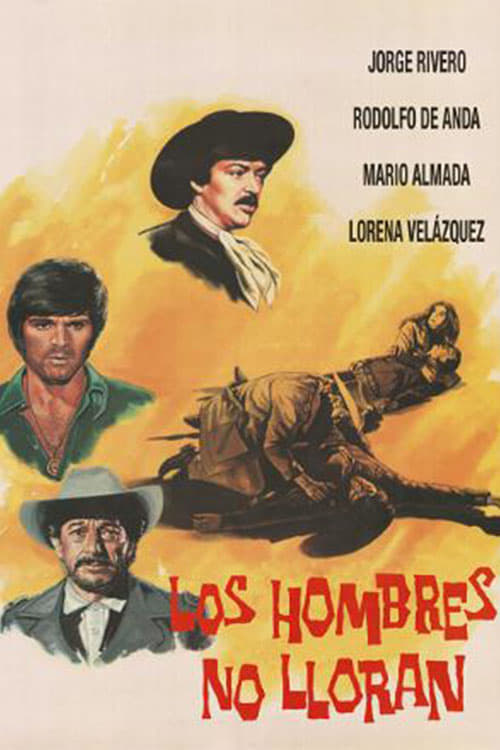
Los Hombres No Lloran operates as a traditional Western genre film rooted in mid-century Mexican commercial cinema. The film heavily relies on established masculine archetypes and patriarchal structures, focusing on emotional stoicism and unilateral family decisions. While the film provides a regional perspective on the Western genre, it lacks depth in reflecting multiple aspects of identity. The narrative reinforces conventional social hierarchies rather than challenging them. Ultimately, the film functions as a melodrama centered on honor and domestic conflict, offering little in the way of progressive representation or social critique.
Category Breakdown
The film does not include any characters with non-binary or transgender identities. It focuses on traditional relationships and gender roles without challenging the idea that everyone is straight or cisgender.
The story revolves around a crisis of masculinity and emotional suppression. Women are shown primarily as victims of abandonment and manipulation, and they have little influence over the plot.
As a Mexican production, the film offers a non-Anglo-Saxon perspective on the Western genre. It likely reflects the ethnic identities common during the time period.
The plot deals with traditional themes of honor and family. It focuses on personal moral failings rather than critiquing larger societal institutions or promoting progressive values.
There are no characters with physical or neurodivergent disabilities in the narrative.
Present on Screen
Limited or Absent
Official Synopsis
Man is manipulated into thinking his wife is unfaithful and abandons her, taking one of their two sons with him.
1966

1960
1976

2018
1983
1968

1974
1966
No reviews yet. Be the first to share your thoughts on this movie!
Use the rating form above to leave a star rating and optional review.