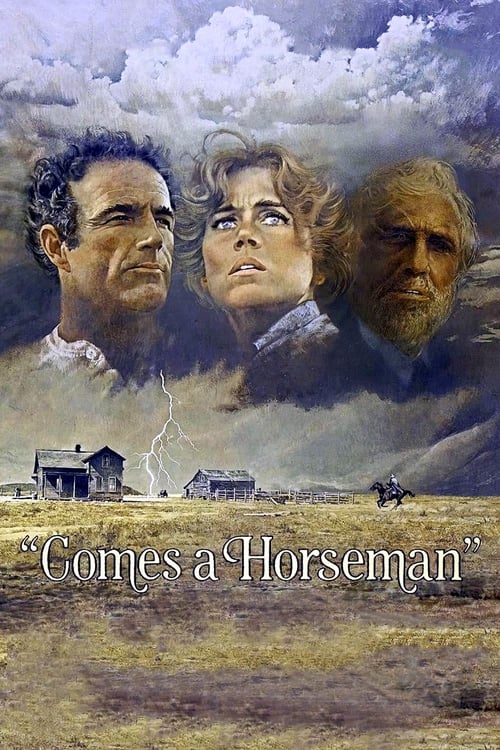
Comes a Horseman
1978
No user ratings available yet
Representation score: 2.5 out of 10
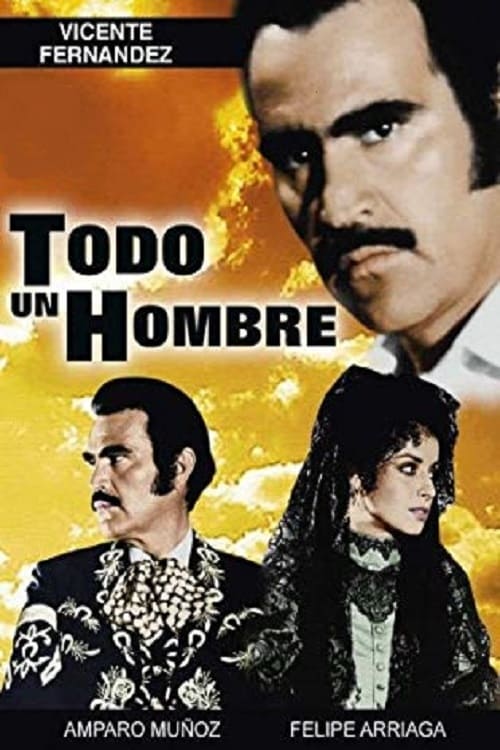
Representation Score
Limited
1983
Director
Rafael Villaseñor Kuri
Runtime
89 minutes
Average Rating
No ratings yetNew Showbiz Analysis
Todo un hombre is a character study rooted in the traditional archetypes of 1980s Mexican melodrama. While it offers a non-Western cultural perspective, the narrative is confined by the social structures it portrays. The film's emphasis on machismo validates conventional masculine hierarchies rather than challenging them. This results in a narrow thematic scope that prioritizes stoicism and dominance over diverse identity expressions. Ultimately, the work presents a traditional gendered storytelling approach, offering cultural authenticity through its Mexican roots but lacking the necessary subversion for a more inclusive narrative.
Category Breakdown
The film focuses on the traditional machismo archetype and does not include any queer identities or challenges to traditional gender roles.
The narrative emphasizes traditional masculine hierarchies through a stoic protagonist who cannot deviate from these norms. It lacks significant feminine ability to act or questioning of gender norms.
As a Mexican production, the film offers a non-Western perspective. It provides a cultural framework that moves away from Western-centric views.
The story operates within traditional ideas of honor and virility. It explores patriarchal values and social expectations without critiquing them.
The film does not feature any characters dealing with physical, sensory, or neurodivergent conditions.
Present on Screen
Limited or Absent
Official Synopsis
Unsympathetic portrait of a man who's too macho to display his feelings.
1978
2021
1968
1966
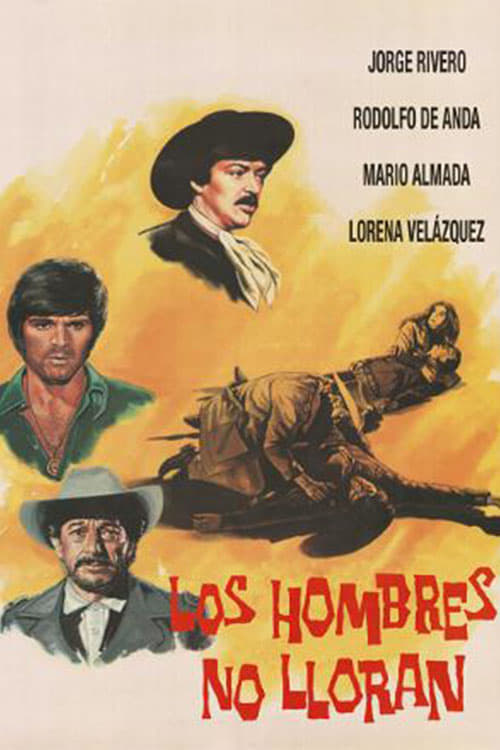
1973
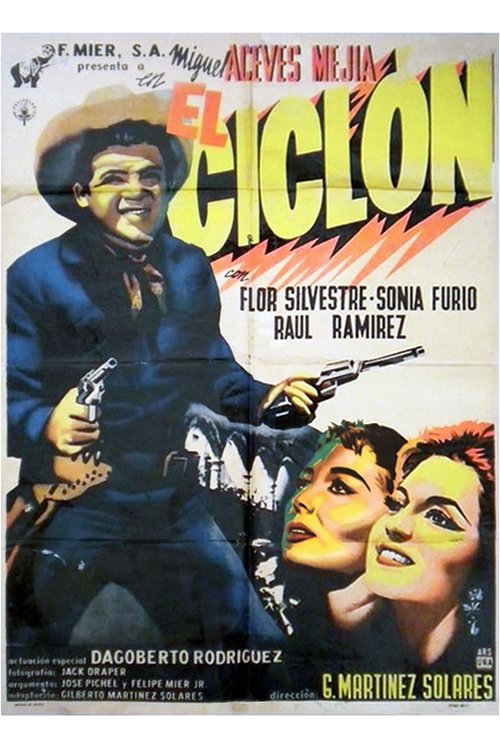
1959

1987

1949
No reviews yet. Be the first to share your thoughts on this movie!
Use the rating form above to leave a star rating and optional review.