
The Letters
2006
No user ratings available yet
Diversity score: 4.7 out of 10
2021
Director
Lee Jang-hoon
Runtime
117 minutes
Average Rating
No ratings yetSynopsis
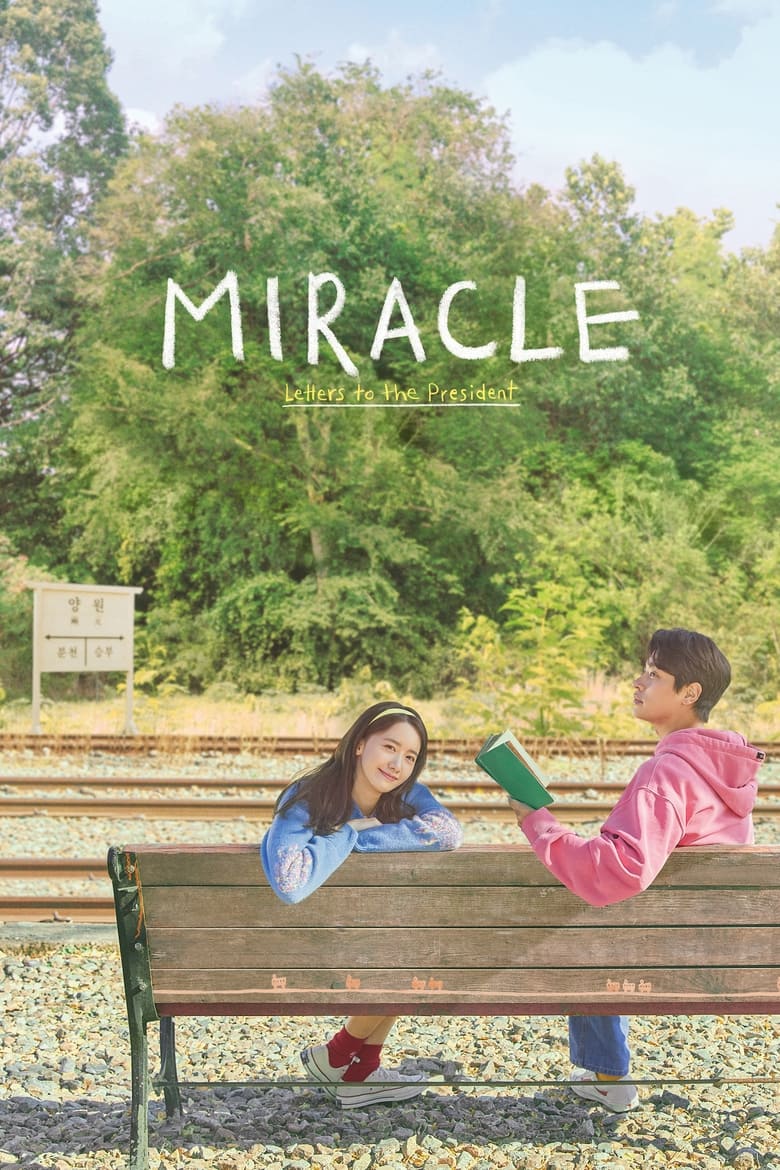
Dreaming of making a way station for his sister and the villagers who have no choice but to commute along the dangerous train tracks every day, Joon-kyung sends many letters to the President, but with no reply. Ra-hee, who has a crush on Joon-kyung, does everything she can to help him meet the President.
Overall Score
Fair
Category Breakdown
LGBTQ+ Representation
The film lacks LGBTQ+ characters or non-heteronormative identities. The romantic elements focus on a traditional crush between Joon-kyung and Ra-hee.
Gender Representation
While Ra-hee shows agency in supporting the protagonist, the political plot is driven by male students. The film reflects the male-dominated activism of 1987 South Korea.
Racial & Ethnic Diversity
The cast is predominantly Korean, maintaining cultural authenticity for its historical setting. The lack of ethnic diversity reflects the specific localized context of the period.
Religious & Cultural Diversity
The story critiques authoritarianism by framing the military dictatorship as an oppressive system. It emphasizes individual voices and the struggle for democratic reform against systemic injustice.
Disability Representation
There is no prominent depiction of visible or invisible disabilities. The narrative focuses on socioeconomic and political struggles rather than disability-driven plot points.
Strengths
Areas for Improvement
AI Analysis
Miracle: Letters to the President is a historical drama that prioritizes political and social critique over modern intersectional identity markers. It succeeds in deconstructing power structures, portraying the struggle of citizens against an oppressive state apparatus. However, the film remains rooted in the social realities of 1987 South Korea, which limits its representation of LGBTQ+ identities and racial diversity. The gender dynamics also lean toward traditional hierarchies, with male students driving the primary political narrative. Ultimately, the film's strength lies in its cultural commentary on authoritarianism, even as it lacks breadth in contemporary diversity categories.
2006
2008

2021

2006
2019
1992

2005
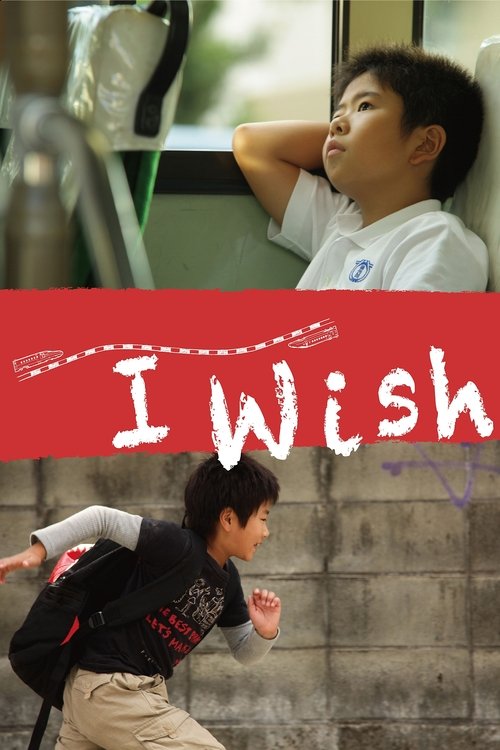
2011

2014
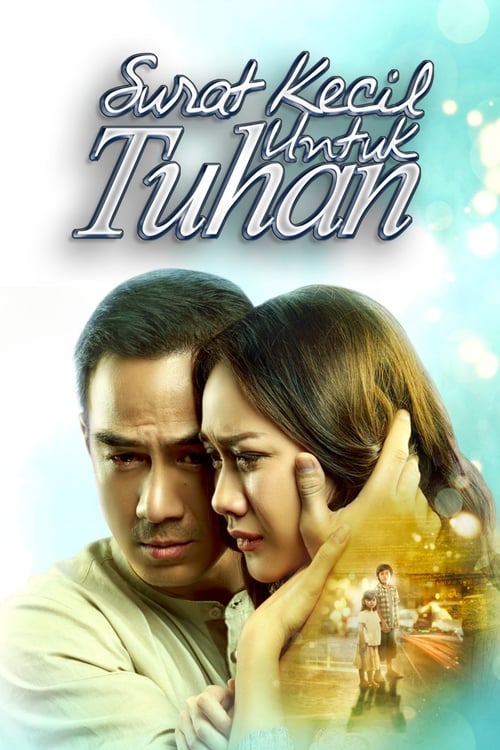
2017
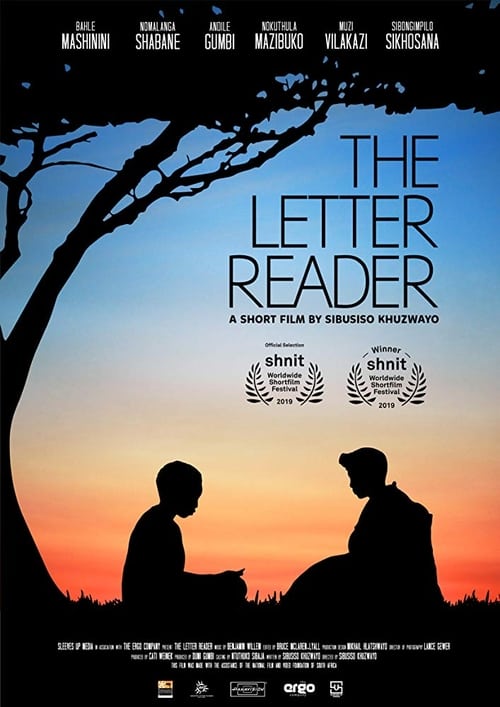
2019
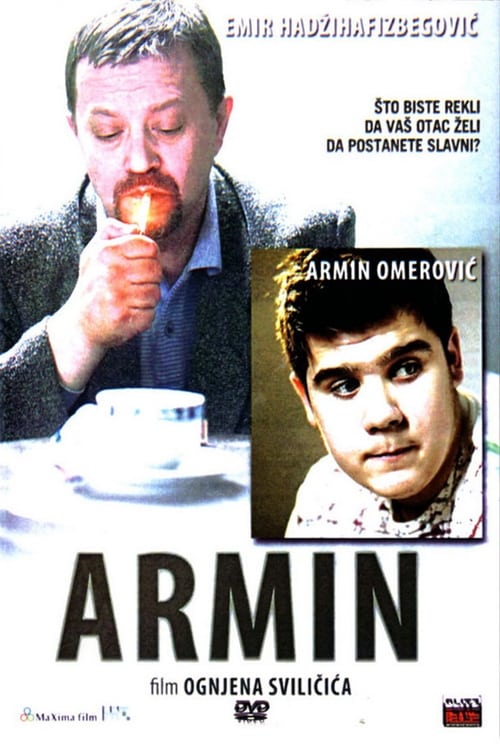
2007
No reviews yet. Be the first to share your thoughts on this movie!
Use the rating form above to leave a star rating and optional review.