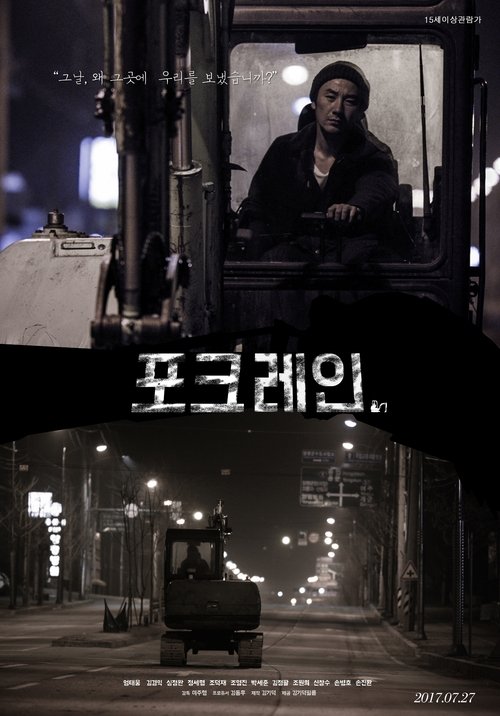
Excavator
2017
No user ratings available yet
Diversity score: 5.2 out of 10
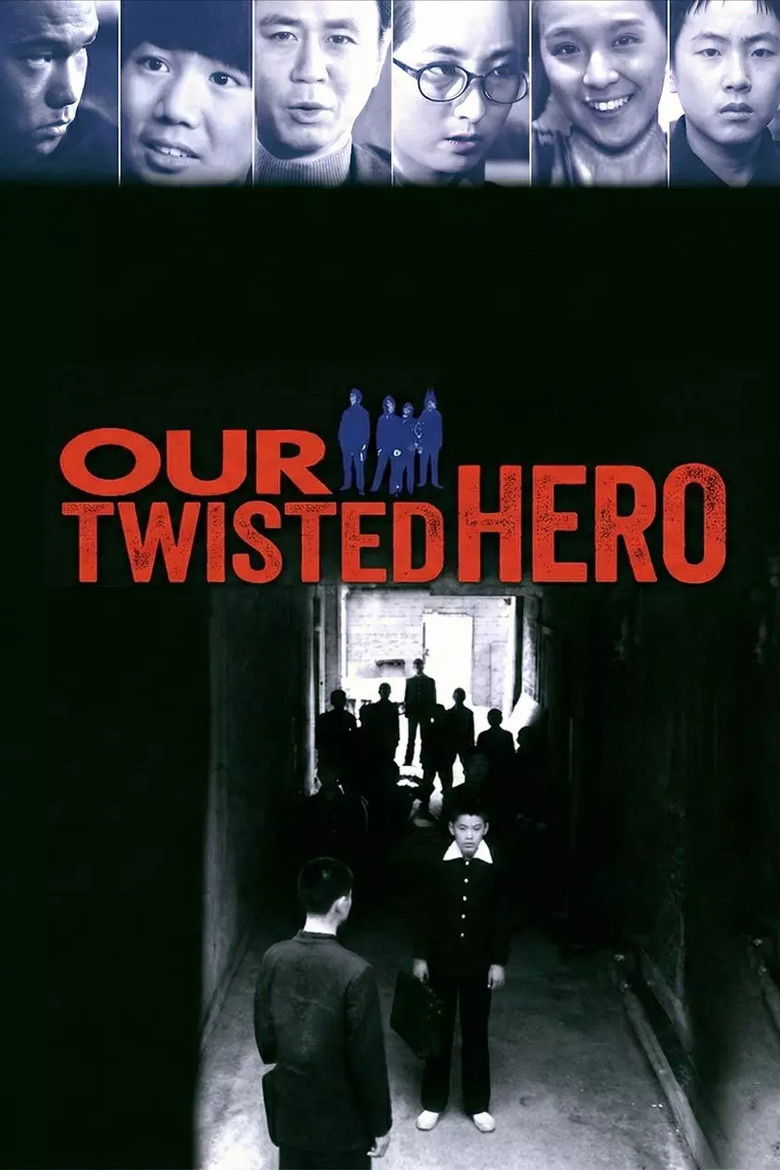
1992
Director
Park Chong-won
Runtime
119 minutes
Average Rating
No ratings yetSynopsis
Han Byung-tae, who teaches at a private after-school academy in Seoul, receives word that his old teacher has passed away and sets off to the rural village where he attended elementary school. In the train, he reminisces about the tough fights he used to get into back in the day.
Overall Score
Fair
Category Breakdown
LGBTQ+ Representation
The film focuses strictly on peer hierarchies within a male-dominated student body. There is no evidence of non-cisnormative identities or narratives engaging with queer theory.
Gender Representation
The social landscape centers on male-to-male power struggles. While not actively misogynistic, the film lacks female agency as the conflict is driven by masculine-coded dominance.
Racial & Ethnic Diversity
As a localized South Korean production, the cast is ethnically homogeneous. It remains deeply rooted in its specific cultural and historical milieu without engaging in intersectional racial dynamics.
Religious & Cultural Diversity
The film excels in critiquing institutional authority and traditional social structures. It portrays the school system as a site of systemic oppression and moral relativism.
Disability Representation
There are no prominent characters with visible or invisible disabilities portrayed with agency. The narrative focus remains on the psychological dynamics of the student hierarchy.
Strengths
Areas for Improvement
AI Analysis
Our Twisted Hero is a sophisticated political allegory that prioritizes the deconstruction of power over demographic representation. It uses a schoolyard setting to critique how individuals surrender agency to authoritarian systems. The film achieves high marks for its cultural critique, effectively using a microcosmic setting to explore macro-level corruption. However, it lacks diversity in terms of gender, LGBTQ+ identities, and disability representation. Ultimately, the work functions as a profound study of mob mentality and the erosion of individual agency within organized, coercive power structures.
2017

2002
1989
1981

2005

2005
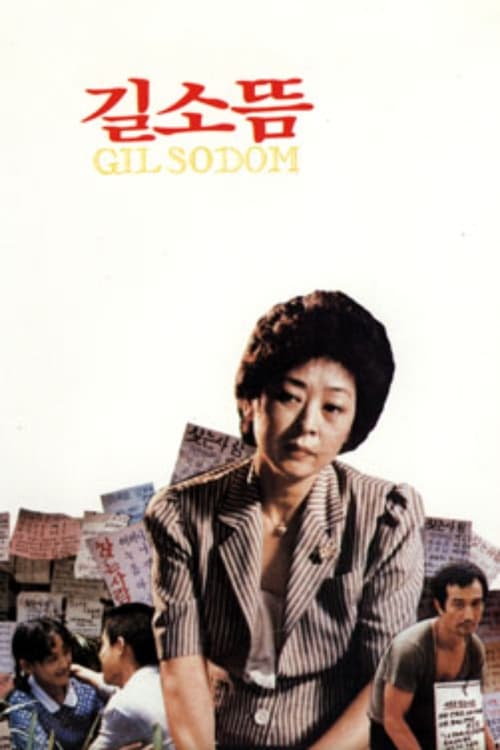
1986
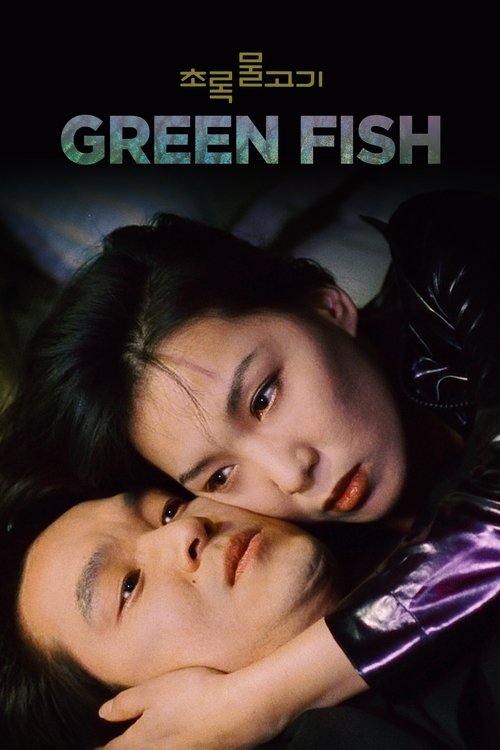
1997
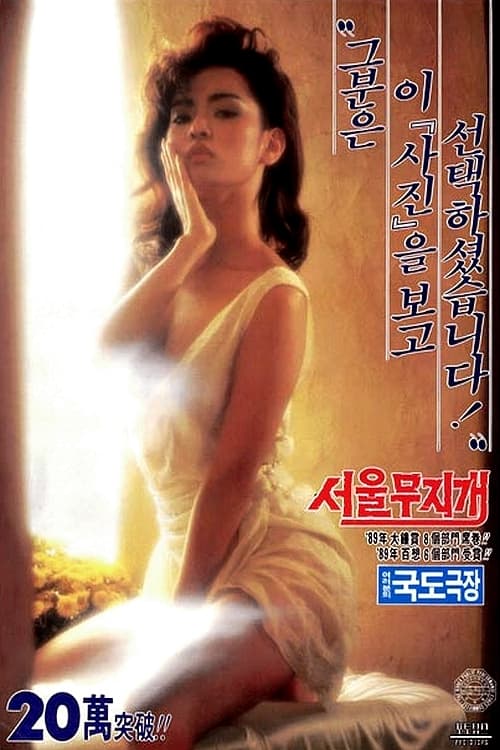
1989
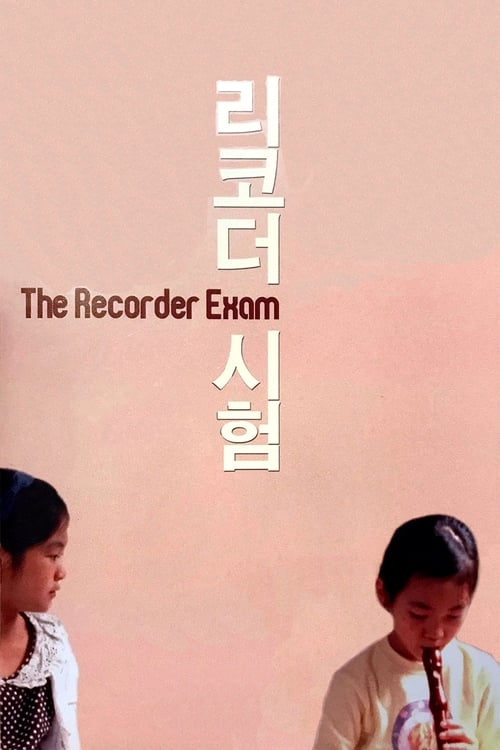
2011

2021

2019
No reviews yet. Be the first to share your thoughts on this movie!
Use the rating form above to leave a star rating and optional review.