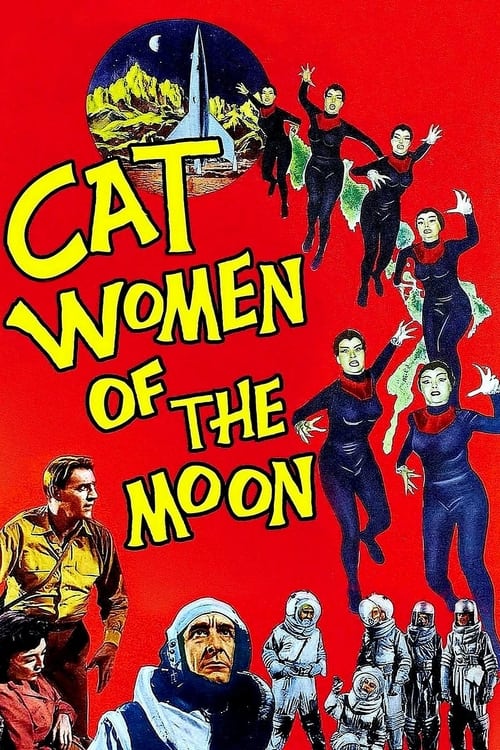
Cat-Women of the Moon
1953
No user ratings available yet
Diversity score: 2.9 out of 10
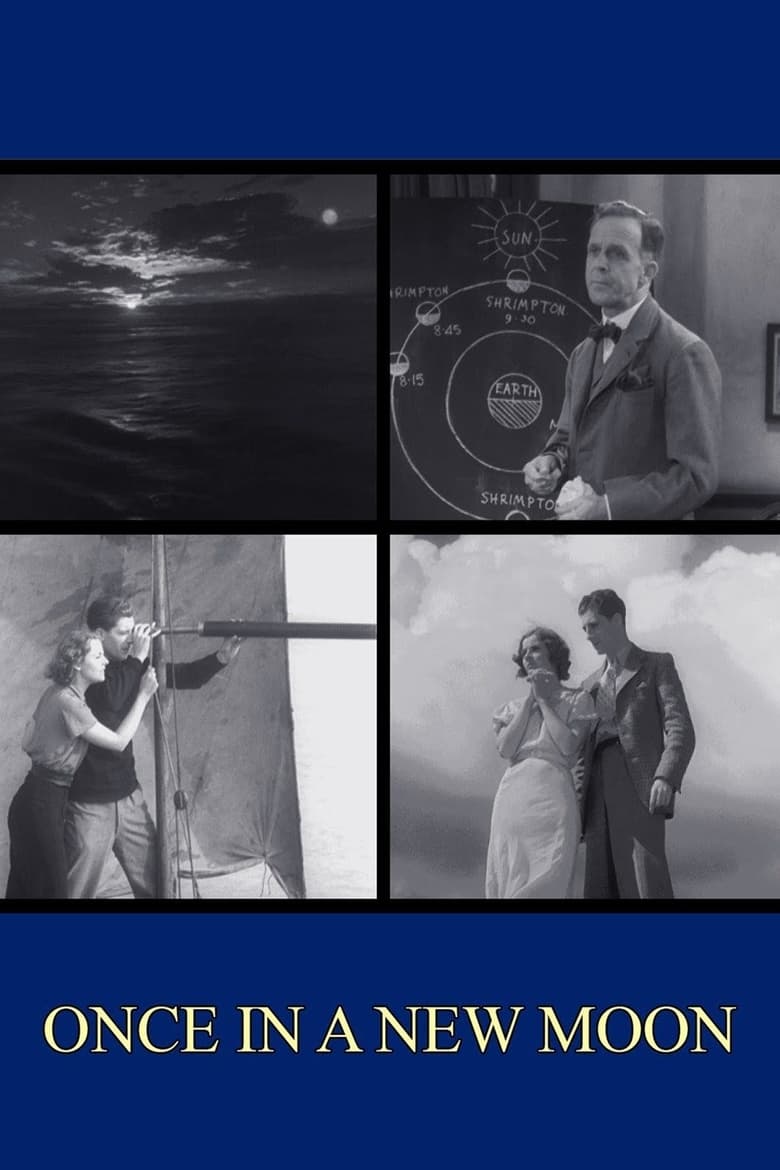
1935
Director
Anthony Kimmins
Runtime
63 minutes
Average Rating
No ratings yetSynopsis
When a small English town is dragged out into space by the force of a 'dead star' passing Earth, the populace try to organise a local government based on equal rights for all, but conflicts arise between the local aristocracy and the villagers.
Overall Score
Limited
Category Breakdown
LGBTQ+ Representation
The film contains no evidence of non-heteronormative identities or narratives. Given the 1935 production era, such depictions are unlikely to be present.
Gender Representation
The plot explores a shift toward equal rights for all, potentially challenging patriarchal hierarchies. However, it remains unclear if women possess true agency in this struggle.
Racial & Ethnic Diversity
Set in a small English town, the film likely features a homogeneous Anglo-Saxon cast. There is no indication of ethnic diversity or race-bent casting.
Religious & Cultural Diversity
The narrative deconstructs traditional power by pitting villagers against the local aristocracy. This focus on egalitarianism critiques inherited privilege and established social institutions.
Disability Representation
There is no mention of characters with visible or invisible disabilities. No assessment can be made regarding representation in this category.
Strengths
Areas for Improvement
AI Analysis
The film uses a science fiction premise to examine social reorganization and the friction between class hierarchies and egalitarianism. It functions as a period-specific exploration of dismantling aristocratic authority. While the film engages with themes of social restructuring, it lacks significant markers of racial or LGBTQ+ diversity. These absences are consistent with the cinematic constraints of 1935. The primary progressive value lies in the thematic preoccupation with transitioning from traditional hierarchy to a rights-based social contract.
1953
1969

1983
2010
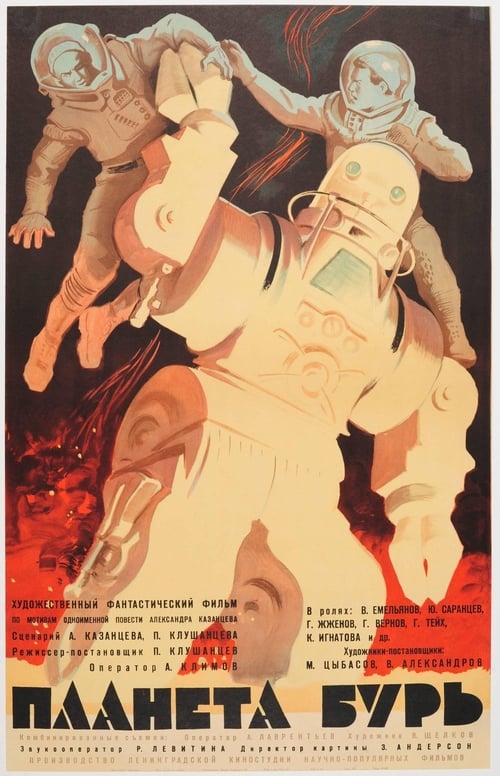
1962

1957

1960
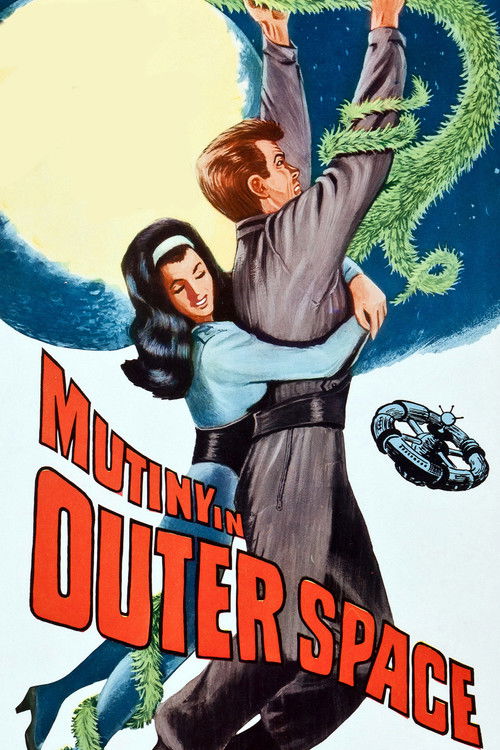
1965
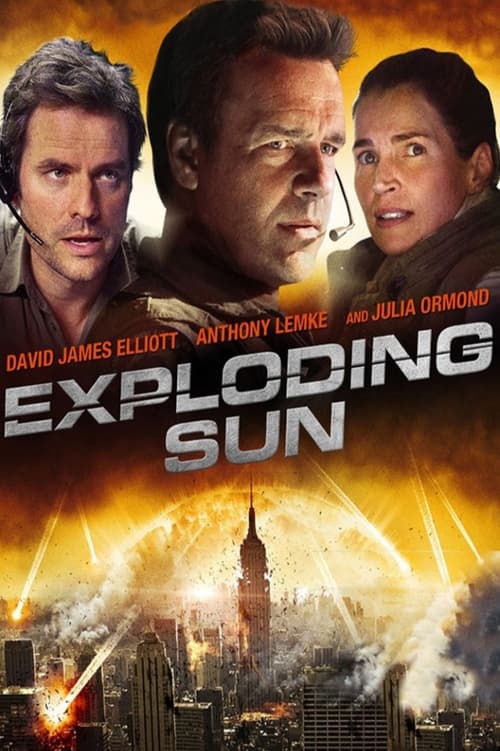
2013

1968
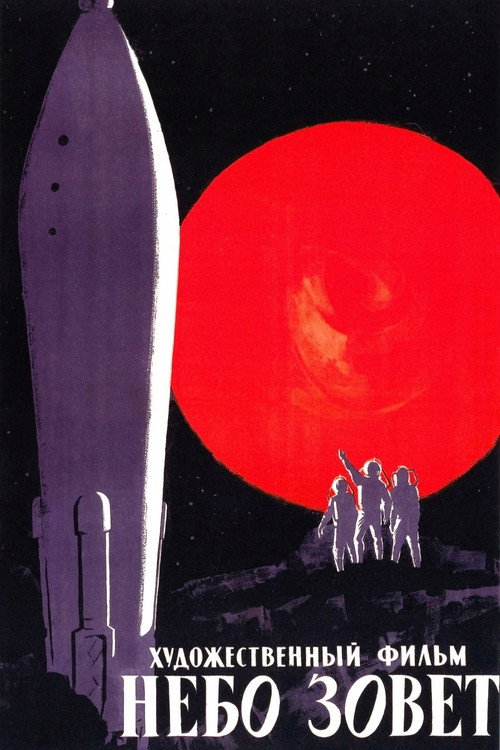
1959

1997
No reviews yet. Be the first to share your thoughts on this movie!
Use the rating form above to leave a star rating and optional review.