Once in a New Moon
1935
No user ratings available yet
Diversity score: 3.9 out of 10
1953
Director
Arthur Hilton
Runtime
64 minutes
Average Rating
No ratings yetSynopsis
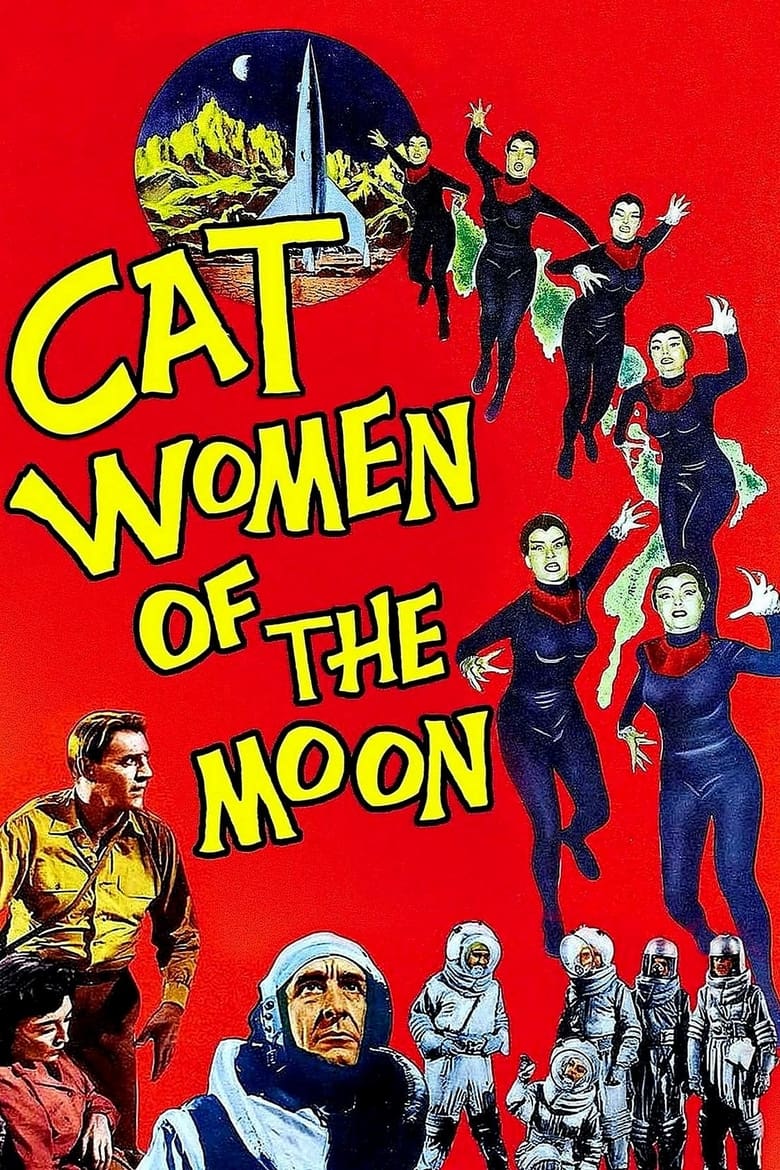
Astronauts travel to the moon where they discover it is inhabited by attractive young women in black tights.
Overall Score
Limited
Category Breakdown
LGBTQ+ Representation
The film contains no identifiable LGBTQ+ characters. Interpersonal dynamics are strictly defined by the binary tension between male astronauts and female lunar inhabitants.
Gender Representation
The narrative subverts 1950s hierarchies by presenting a dominant, technologically advanced matriarchy. These women serve as the primary source of power, challenging the male-led competence typical of the era.
Racial & Ethnic Diversity
The production features a homogeneous, all-white cast. There is no significant racial or ethnic diversity present in the characterizations or the cast composition.
Religious & Cultural Diversity
The film explores themes of external conquest and resistance from a sovereign culture. However, it lacks explicit anti-religious or anti-capitalist themes, focusing on psychic conflict.
Disability Representation
There are no depictions of physical, sensory, or neurodivergent disabilities. Characters are presented within standard mid-century physical archetypes.
Strengths
Areas for Improvement
AI Analysis
Cat-Women of the Moon stands out for its progressive approach to gender, utilizing a matriarchal lunar society to disrupt traditional 1950s patriarchal norms. By making women the dominant, telepathic force, the film challenges the era's standard of male leadership. However, the film is heavily limited by the era's social constraints. It lacks any meaningful LGBTQ+ representation or racial diversity, maintaining an all-white cast that reflects the period's cinematic homogeneity. Ultimately, the film is a study of 'otherness.' While it fails to provide diverse ethnic or identity-based representation, its subversion of gendered power structures provides a unique narrative architecture for its time.
1935

1966
2010
1969
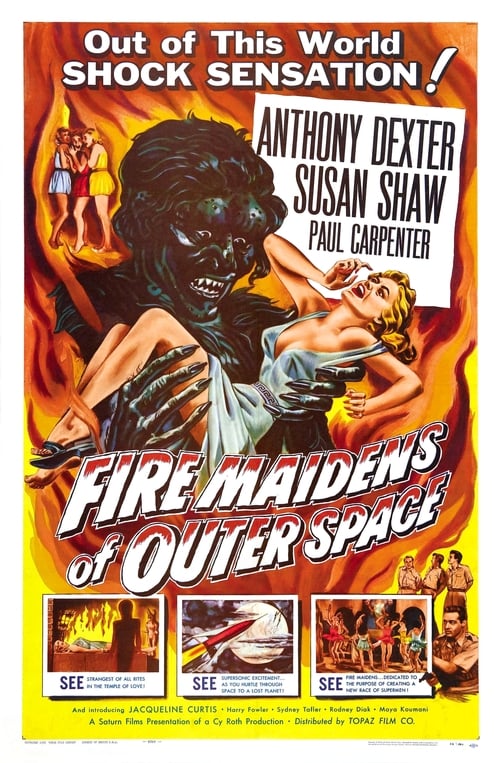
1956
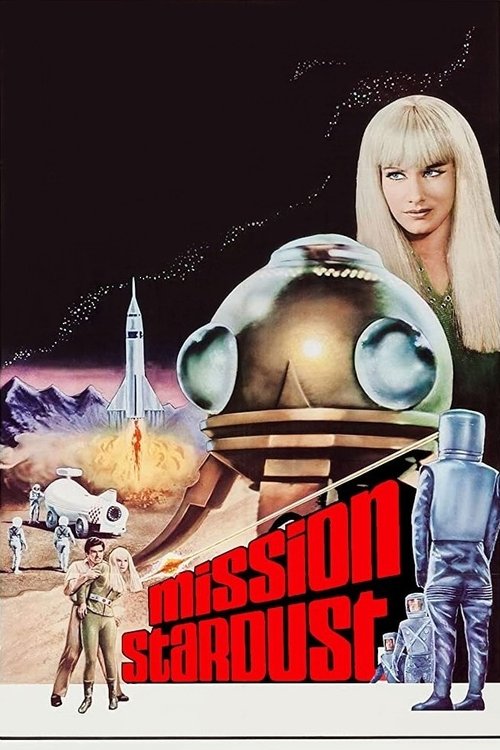
1967

1966

1960

1939
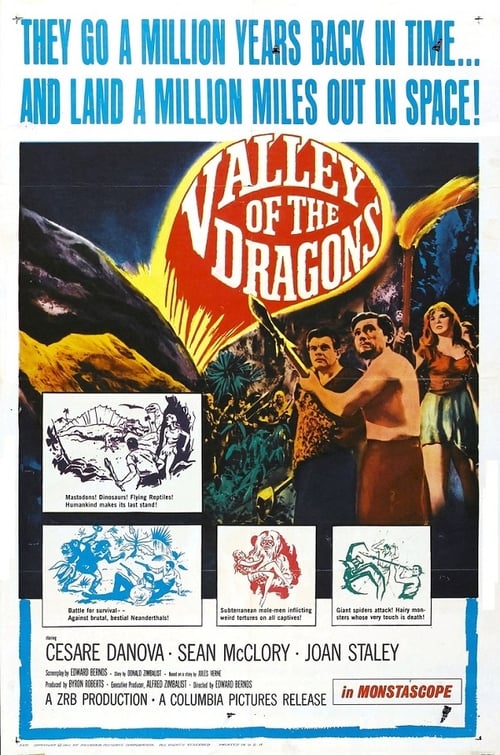
1961

1968
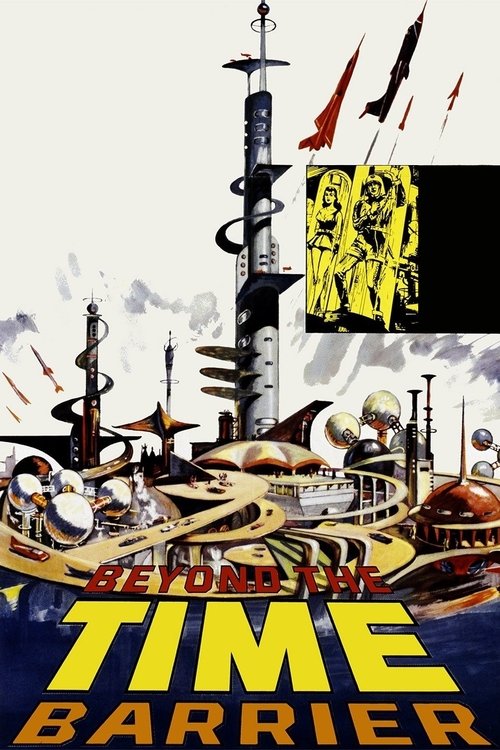
1960
No reviews yet. Be the first to share your thoughts on this movie!
Use the rating form above to leave a star rating and optional review.