The Human Duplicators
1965
No user ratings available yet
Diversity score: 2.3 out of 10
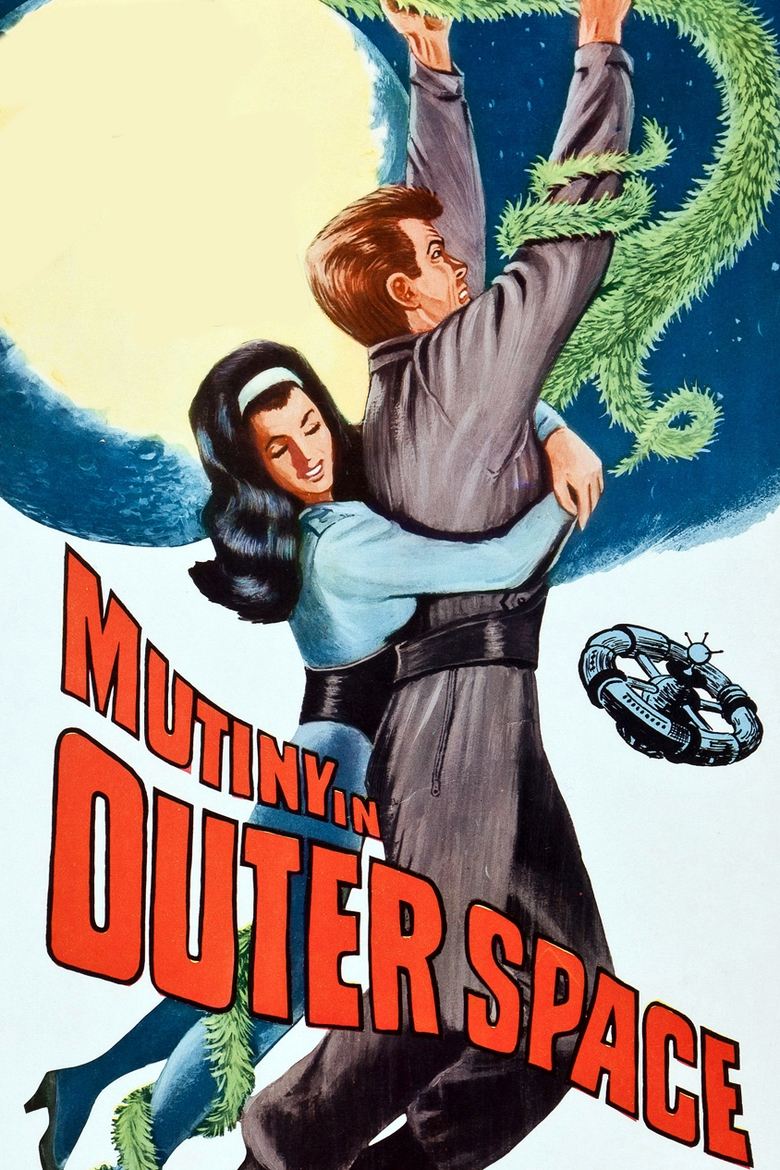
1965
NRDirector
Hugo Grimaldi
Runtime
80 minutes
Average Rating
No ratings yetSynopsis
An expedition to the lunar ice caves contracts a deadly moon-fungus. Stopping en route they contaminate a space station with the fungus, which soon begins to take over the entire place.
Overall Score
Limited
Category Breakdown
LGBTQ+ Representation
The film lacks any depiction of non-cisnormative identities or same-sex intimacy. It adheres to the conventional social structures typical of 1965 genre filmmaking.
Gender Representation
The narrative appears to reinforce traditional gender hierarchies. There is no evidence of women occupying roles of superior intellect or subverting masculine leadership.
Racial & Ethnic Diversity
The crew reflects the homogeneous casting patterns common in 1960s Western science fiction. There is no indication of a non-white majority cast.
Religious & Cultural Diversity
The plot focuses on a survivalist struggle against a biological threat. It lacks any critique of Western institutions or significant cultural deconstruction.
Disability Representation
There is no mention of characters navigating physical, sensory, or neurodivergent conditions within the story.
Strengths
Areas for Improvement
AI Analysis
Mutiny in Outer Space functions as a standard mid-century science fiction piece. The narrative architecture is built around a traditional survivalist conflict, prioritizing a man-versus-nature plot over social complexity. The film lacks intersectional depth, failing to disrupt established social hierarchies or offer diverse perspectives. It reflects the era's tendency toward homogeneous casting and conventional moral frameworks. Ultimately, the production follows the standard genre models of 1965, offering little in the way of cultural or identity-based subversion.
1965
1980
1967
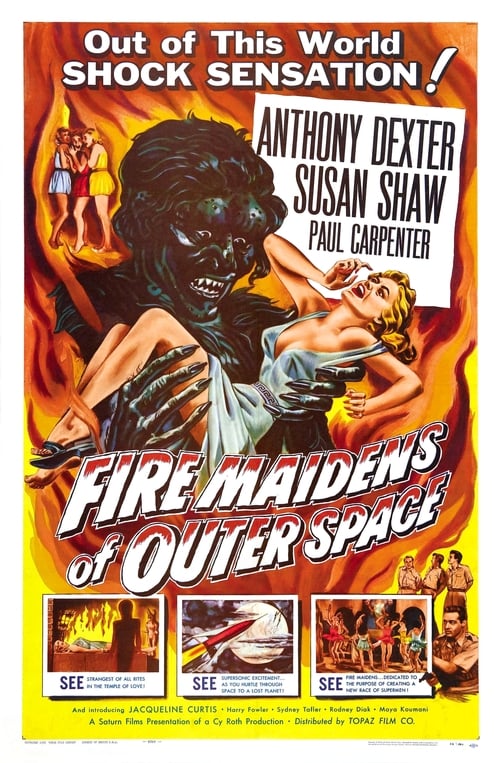
1956

1958

1968

1955

1968
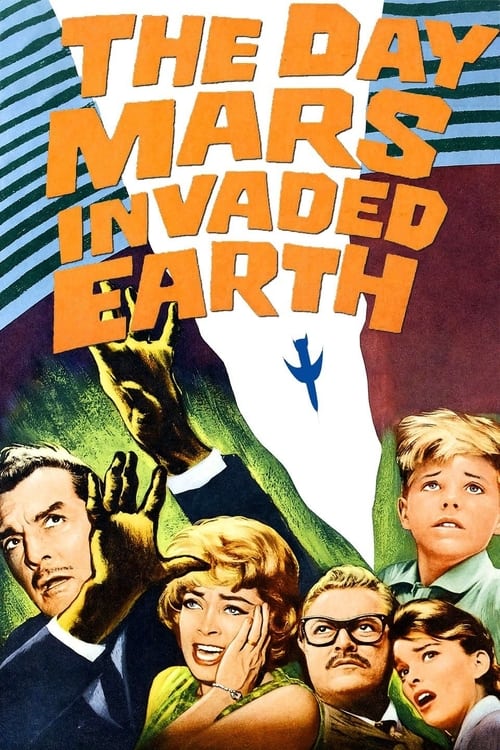
1963
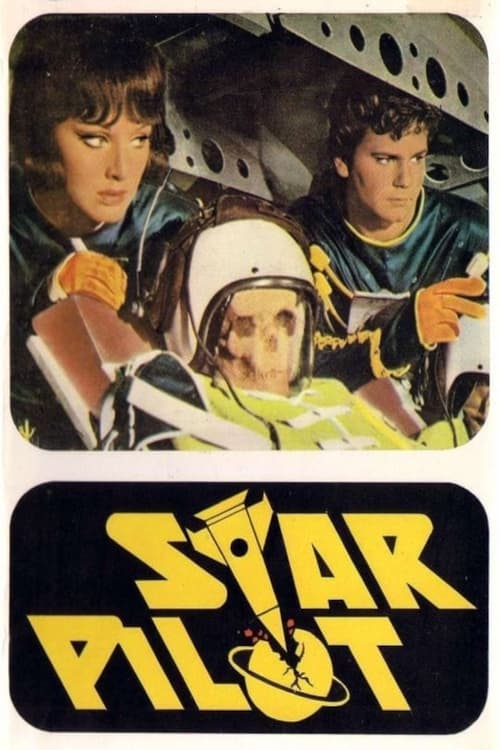
1966
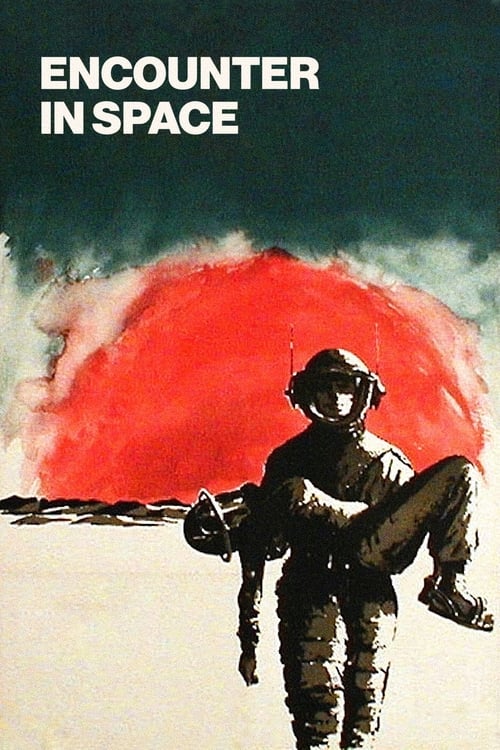
1963
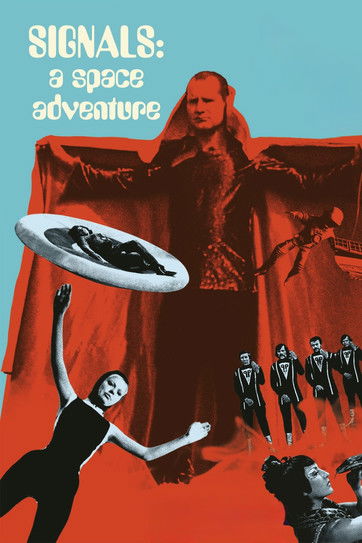
1970
No reviews yet. Be the first to share your thoughts on this movie!
Use the rating form above to leave a star rating and optional review.