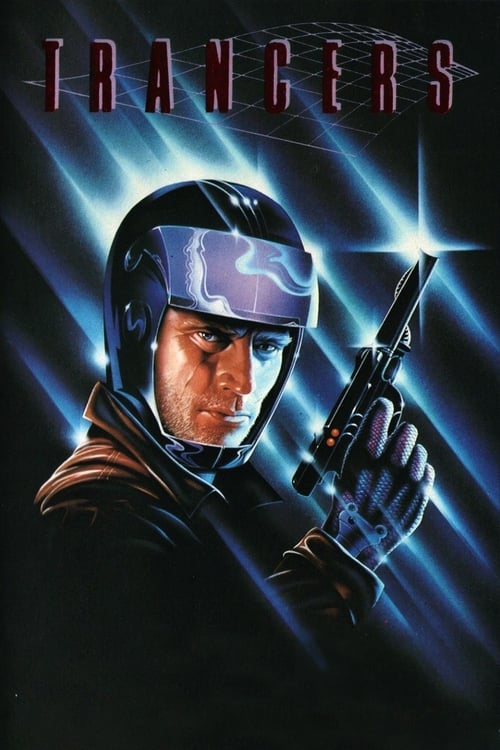
Trancers
1984
No user ratings available yet
Representation score: 2.2 out of 10
Representation Score
Limited
2002
RDirector
Jay Woelfel
Runtime
85 minutes
Average Rating
No ratings yetNew Showbiz Analysis
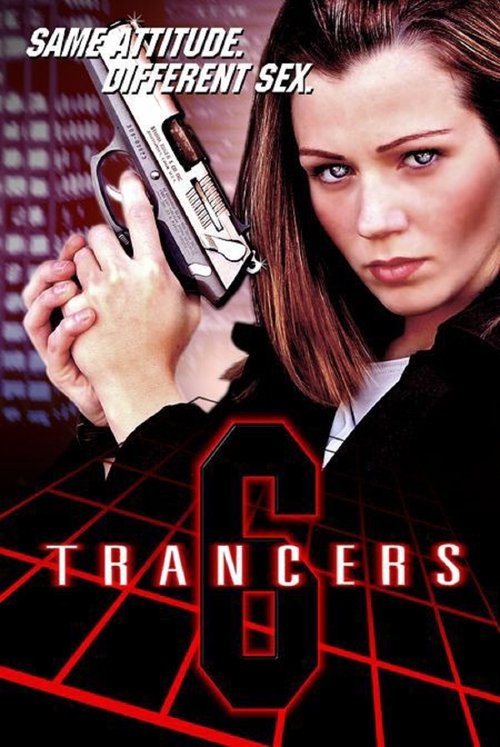
Trancers 6: Life After Deth relies heavily on genre-standard action and horror clichés, which limits its capacity for deep social commentary. The film's primary contribution to diversity is its gender-bending body-swap premise, which forces a male protagonist to experience life through a female lens. However, the film fails to provide multi-layered depth. It lacks any representation of racial, LGBTQ+, or disability-related identities, focusing instead on the immediate threat of the Trancer antagonists. Ultimately, the work functions as a niche cult sci-fi piece that prioritizes survivalist storytelling over the deconstruction of social hierarchies or systemic identity exploration.
Category Breakdown
The film does not include explicit LGBTQ+ characters or narratives. The body-swap premise involves a male consciousness in a female body but serves as a sci-fi cliché rather than exploring queer identity.
The narrative challenges traditional masculine ability to act by forcing the protagonist to navigate the world through his daughter's female body. This creates a unique perspective on physical and social vulnerability.
There is no indication of racial or ethnic diversity within the provided narrative context. The cast lacks non-Anglo-Saxon representation or metaphors for ethnic diversity.
The science fiction setting challenges social structures through time travel and survivalist ethics. However, the film lacks clear themes regarding systemic critiques or specific cultural institutions.
The Trancers are depicted as zombie-like horror elements rather than nuanced portrayals of disability. No characters with visible or invisible disabilities are shown to have meaningful roles.
Present on Screen
Limited or Absent
Official Synopsis
In a return to the groundbreaking original film's premise, Jack Deth is back - traveling back in time and into the body of his own daughter, Josephine, on a mission to save her life and save the world from the most lethal Trancers yet. Jack/Jo must adapt and survive being a girl while avoiding many assassination attempts by more powerful and dangerous zombie-like Trancers than he's ever faced before.
1984
1998
1991
2024
1992
2001
1994
2023
No reviews yet. Be the first to share your thoughts on this movie!
Use the rating form above to leave a star rating and optional review.