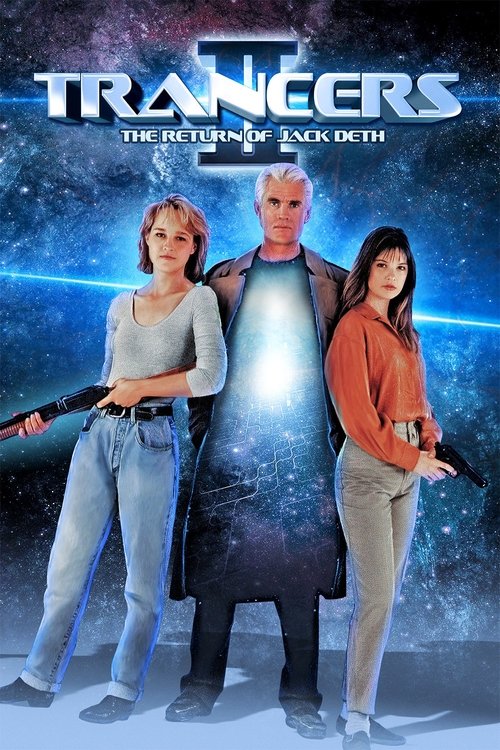
Trancers II
1991
No user ratings available yet
Representation score: 0.9 out of 10
Representation Score
Limited
1984
PG-13Director
Charles Band
Runtime
77 minutes
Average Rating
No ratings yetNew Showbiz Analysis
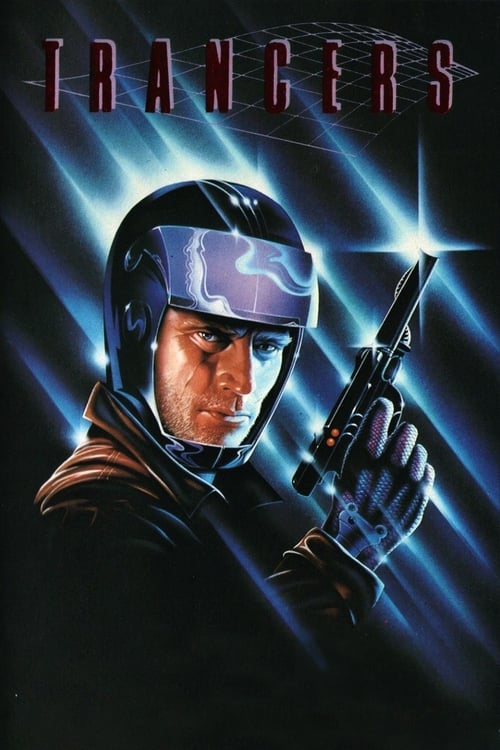
Trancers is a genre-focused science fiction film that emphasizes noir-inspired action and traditional archetypes over social commentary. The narrative heavily relies on the standard tough male hero archetype, limiting the scope of its character interactions. The film reflects the demographic trends of mid-1980s independent cinema, lacking racial and LGBTQ+ diversity. It operates within a standard assumption that everyone is straight and a homogeneous social structure. While the concept of 'trancers' introduces a supernatural element, it serves as a horror device rather than a nuanced look at disability or mental health.
Category Breakdown
The film follows a typical 1980s framework with no characters that challenge the assumption that everyone is straight or cisgender. There are no narratives that question the idea that everyone is straight.
Jack Deth embodies the traditional image of a tough male detective. Female characters mostly play supporting roles, reinforcing traditional gender roles.
The cast is mainly white, typical of 1980s independent sci-fi films. The story shows a homogeneous society within the main character's journey.
The story centers on individual bravery and restoring order. It uses Western action-noir themes without exploring diverse cultural viewpoints.
The 'trancers' act as horror plot devices rather than detailed explorations of neurodivergence. These characters don't have enough influence to represent health conditions well.
Present on Screen
Limited or Absent
Official Synopsis
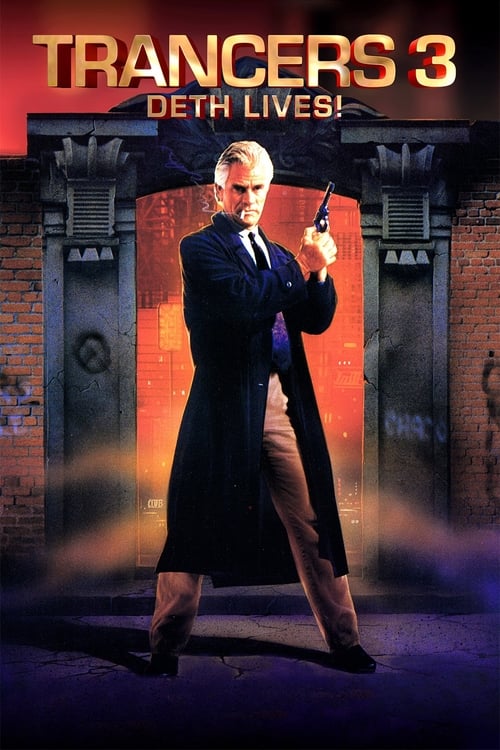
Angel City trooper Jack Deth is sent back in time from 2247 to 1985 L.A. to inhabit the body of his ancestor. Deth's assignment is to find his archenemy, Whistler, who turns people into zombies, before the fiend is able to kill all the ancestors of the future's governing council.
1991
1974

1992

1995
1988
1994
1992
1989
No reviews yet. Be the first to share your thoughts on this movie!
Use the rating form above to leave a star rating and optional review.