
Time Cut
2024
No user ratings available yet
Representation score: 5.3 out of 10
Representation Score
Good
2023
RDirector
Nahnatchka Khan
Runtime
104 minutes
Average Rating
No ratings yetNew Showbiz Analysis
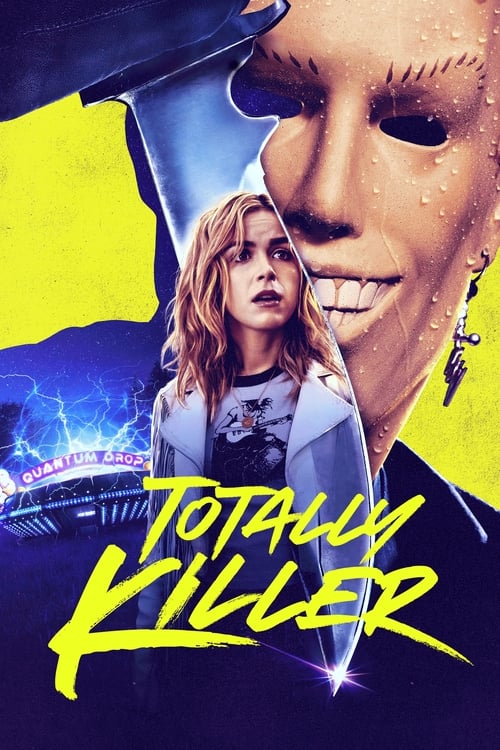
Totally Killer redefines the traditional 'final girl' cliché by placing a Black female protagonist in a position of proactive ability to act. This shifts away from the passive victim archetype in slasher films. While the film excels in racial and gender representation, it falls short in other areas. The lack of LGBTQ+ characters and disability-related stories limits its diversity score. Overall, the film's strength lies in using a nostalgic backdrop to challenge historical cinematic hierarchies through its central casting and character dynamics.
Category Breakdown
The film doesn't focus on LGBTQ+ identities or relationships outside of traditional norms. It avoids negative stereotypes but lacks diverse queer representation.
The story breaks down traditional horror roles by emphasizing the female lead's active role. She dominates intellectually and physically, defying the stereotype of women as passive victims.
Keke Palmer leads a diverse cast, giving high ability to act to a Black protagonist. This counters the usual uniformity in suburban settings.
The plot deconstructs 1980s social norms through teen rebellion and skepticism of authority. However, these themes are common in the genre.
Characters are shown within typical able-bodied contexts. The film doesn't focus on neurodivergence or physical disabilities.
Present on Screen
Limited or Absent
Official Synopsis
When the infamous "Sweet Sixteen Killer" returns 35 years after his first murder spree to claim another victim, 17-year-old Jamie accidentally travels back in time to 1987, determined to stop the killer before he can start.
2024
1979

2021
2019

2019
2009

2023
2015
No reviews yet. Be the first to share your thoughts on this movie!
Use the rating form above to leave a star rating and optional review.