
5 Fingers
1952
No user ratings available yet
Representation score: 0.4 out of 10

Representation Score
Minimal
1942
ApprovedDirector
Eugene Forde
Runtime
70 minutes
Average Rating
No ratings yetNew Showbiz Analysis
Berlin Correspondent is a classic wartime thriller that prioritizes plot and patriotic sentiment over social complexity. The narrative centers around a male protagonist's moral struggle against Nazi brutality. While the film includes a competent female character in espionage, the gender dynamics remain traditional and reactive. The cast is predominantly white, lacking racial diversity or representation of LGBTQ+ identities. Overall, the film serves as a tool to reinforce Western values during the early 1940s. It avoids challenging social hierarchies, maintaining a conventional moral framework typical of the studio era.
Category Breakdown
The film does not feature any LGBTQ+ characters or non-straight identities. The story focuses solely on heterosexual relationships and traditional espionage themes.
Bill Roberts is the main character who drives the plot and moral decisions. Karen Hauen has a significant journey, but her actions are mostly influenced by Bill Roberts and her father.
The cast is primarily white and Anglo-Saxon, reflecting the production standards of the time. Berlin is used as a setting without exploring ethnic or racial diversity.
The story emphasizes the defense of democracy against totalitarianism. It portrays the corruption of the Nazi regime through a lens of traditional morality and Western values.
There are no characters with visible or invisible disabilities. The film does not engage with neurodivergence or physical impairments.
Present on Screen
Limited or Absent
Official Synopsis
Bill Roberts is an American radio commentator station in Berlin in the months before Pearl Harbor. Having witnessed Nazi brutalities first hand, Roberts hopes to alert his listeners of impending dangers, and does so by sending out coded messages during his broadcasts. The Gestapo begins to suspect something and assigns glamorous secret agent Karen Hauen to spy on Roberts. When she discovers that her own father is supplying Roberts with vital secrets, she turns her back on the Nazis and joins our hero in his efforts.
1952
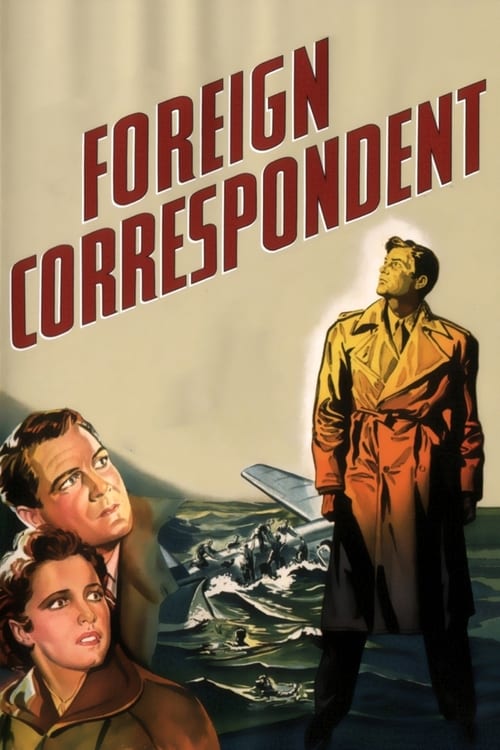
1940

1942

1992

1964

1946

1941

1943
No reviews yet. Be the first to share your thoughts on this movie!
Use the rating form above to leave a star rating and optional review.