
Never Let Me Go
1953
No user ratings available yet
Representation score: 0.4 out of 10
Representation Score
Minimal
1934
ApprovedDirector
Sam Wood
Runtime
86 minutes
Average Rating
No ratings yetNew Showbiz Analysis
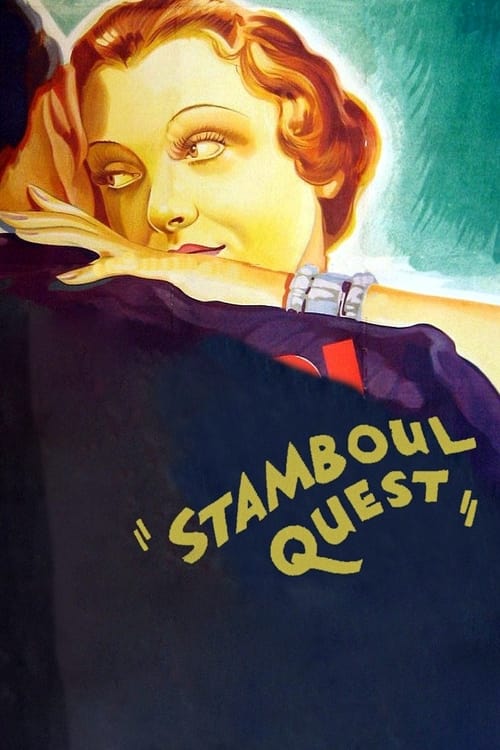
Stamboul Quest is a quintessential product of its era, prioritizing Western-centric adventure and traditional romantic arcs. While the setting offers a diverse aesthetic through its Constantinople backdrop, the narrative power remains firmly with the Western protagonists. The film adheres to 1930s social hierarchies, particularly regarding gender and colonial-era perspectives. women's ability to drive the story is present but ultimately serves the central male-driven plot, and the cultural setting is used more for atmosphere than for meaningful representation. Ultimately, the film functions as a standard genre piece that reinforces established social roles rather than challenging them.
Category Breakdown
The film does not include any representation of LGBTQ+ identities. It focuses solely on traditional heterosexual romance typical of the 1930s.
Annemarie performs dangerous tasks, but her role is still tied to the male protagonist. The narrative reinforces early 20th-century hierarchies where female roles support male-driven conflicts.
The Middle Eastern setting serves as a backdrop for Western adventure. While local identities are present, the perspective remains Western-centric, following the adventurer archetype in Eastern locales.
The Ottoman-era setting acts as a playground for Western intrigue rather than a site for deep cultural engagement. The film lacks critique of religious or systemic structures.
There is no evidence of characters with visible or invisible disabilities playing central roles or being subjected to mockery.
Present on Screen
Limited or Absent
Official Synopsis
In 1915, German Counter-Intelligence Chief Von Sturm learns that someone is providing the British with critical strategic planning for the Turkish theater. He suspects Ali Bey, Turkish commander for the Dardanelles, and dispatches Annemarie to Constantinople to secure the proof. En route, she becomes involved with Douglas Beall, a footloose American. Complications ensue, requiring Annemarie to engage in some dangerous improvisations.
1953

1952
1937
1936
1928

1930
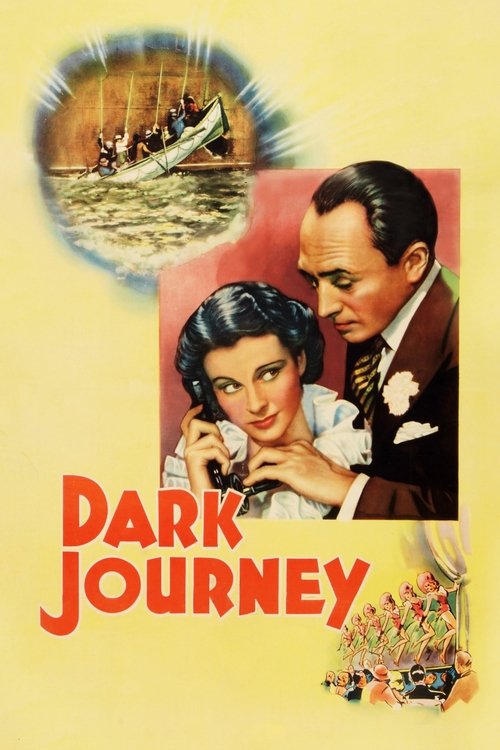
1937

1935
No reviews yet. Be the first to share your thoughts on this movie!
Use the rating form above to leave a star rating and optional review.