
Assignment: Paris
1952
No user ratings available yet
Representation score: 1.9 out of 10
Representation Score
Minimal
1964
Director
Robert Douglas
Runtime
65 minutes
Average Rating
No ratings yetNew Showbiz Analysis
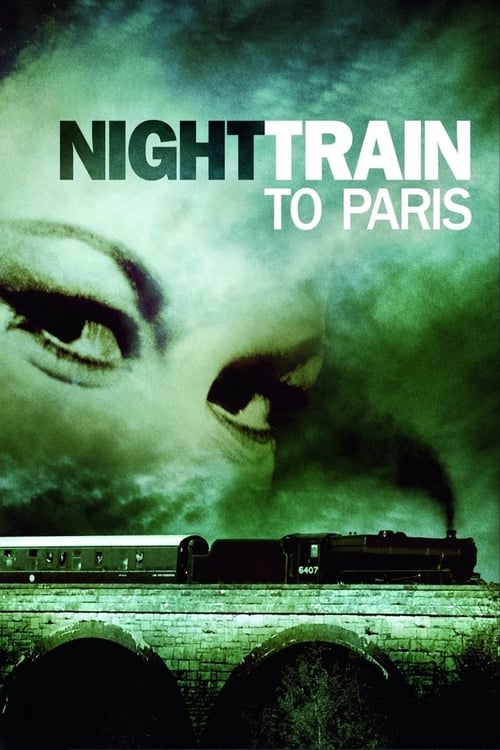
Night Train to Paris is a traditional espionage thriller from the mid-1960s. The narrative centers around a male protagonist navigating a high-stakes mission in London and Paris. The story reflects the demographic and social norms of its time, with a largely homogeneous cast and traditional gender roles. The film operates within the conventions of its era, lacking any significant disruption of the social hierarchies present in 1964 cinema.
Category Breakdown
The film follows the typical heterosexual norms of 1960s cinema, with no depiction of same-sex relationships or non-traditional gender identities.
The male protagonist, Alan Holiday, holds the primary ability to act in the story. Female characters play supporting roles that aid the main plot.
The cast is primarily Anglo-European, reflecting the homogeneous racial makeup expected in mid-century thrillers.
The story adheres to conventional Western values of wartime loyalty and institutional duty, without challenging these norms.
The film does not include any characters with visible or invisible disabilities.
Present on Screen
Limited or Absent
Official Synopsis
Former OSS officer Alan Holiday, now living in London, is visited on New Year's Eve by Catherine Carrel who says she is a close friend of Jules Lemoine who served with Holiday during the war. Lemoine urgently requests that Holiday go to Paris on a secret mission. Lemoine visits and wants Alan to deliver a reel of tape which he gives him, and keeps a fake reel himself to deceive enemy agents. Lemoine is killed and the fake tape stolen. Holiday, poses as an assistant to photographer Louis Vernay, and they take three models along to further the ruse.
1952

1952

1968

1943

1958

1960

1950
1973
No reviews yet. Be the first to share your thoughts on this movie!
Use the rating form above to leave a star rating and optional review.