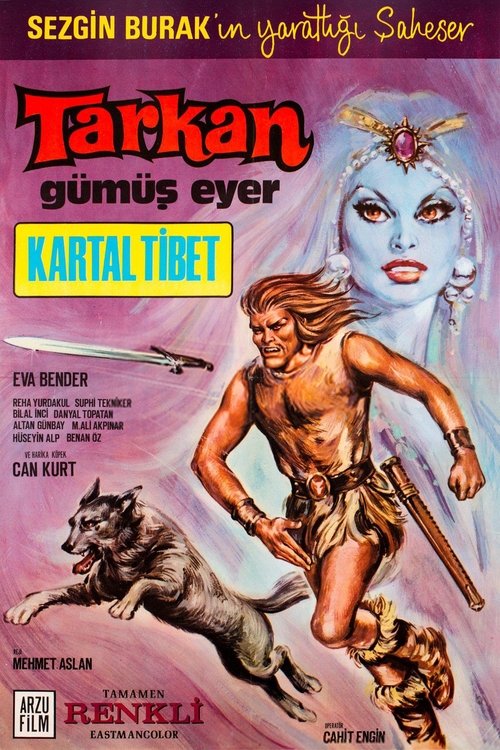
Tarkan and the Silver Saddle
1970
No user ratings available yet
Representation score: 1.3 out of 10
Representation Score
Minimal
1971
Director
Mehmet Aslan
Runtime
86 minutes
Average Rating
No ratings yetNew Showbiz Analysis
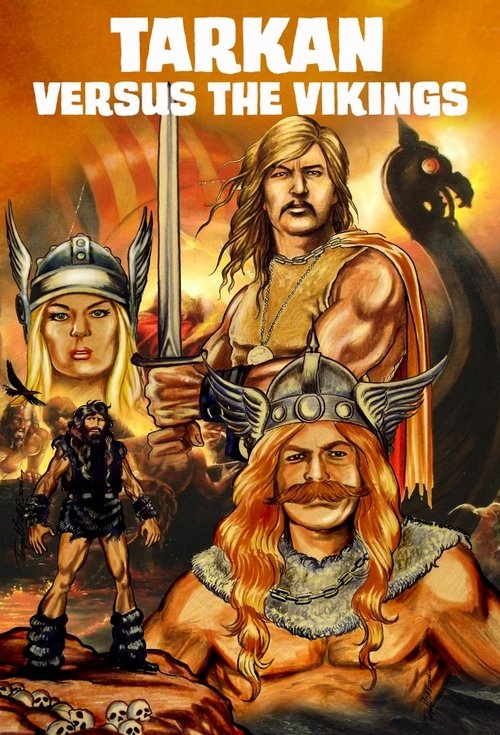
Tarkan and the Blood of the Vikings is a classic 1970s adventure film that leans heavily on established genre clichés. The narrative structure supports conventional social and gender hierarchies rather than challenging them. While the film presents a variety of ethnic archetypes, it does so through familiar adventure clichés, emphasizing heroic figures and traditional narrative forms.
Category Breakdown
The film adheres to traditional frameworks focusing on heterosexual relationships and tribal kinship. There is no depiction of non-binary gender identities or same-sex relationships.
Tarkan is portrayed as a strong, hyper-masculine figure. Female characters are often depicted as damsels in distress, reinforcing traditional gender roles.
The film showcases various ethnic groups such as Vikings and nomadic tribes. However, these depictions follow well-known adventure clichés rather than nuanced, layered representations.
The storyline emphasizes a clear-cut battle between a hero and a villain, upholding a traditional moral dichotomy centered around tribal honor and physical combat.
The film does not address neurodivergence, physical disabilities, or chronic illnesses. Characters are defined by their abilities in combat scenarios.
Present on Screen
Limited or Absent
Official Synopsis
Features a mustached villain, who is the leader of a Viking clan that worships an octopus god-monster. The Vikings wish to kidnap a beautiful girl to sacrifice her to their demigod, but the heroic Tarkan, aided by his dog, Kurt, is there to save the day.
1970
1958
1973
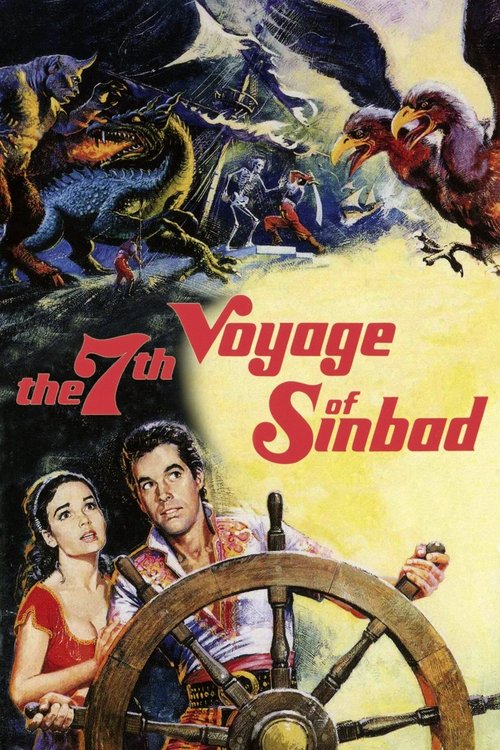
1958

1973
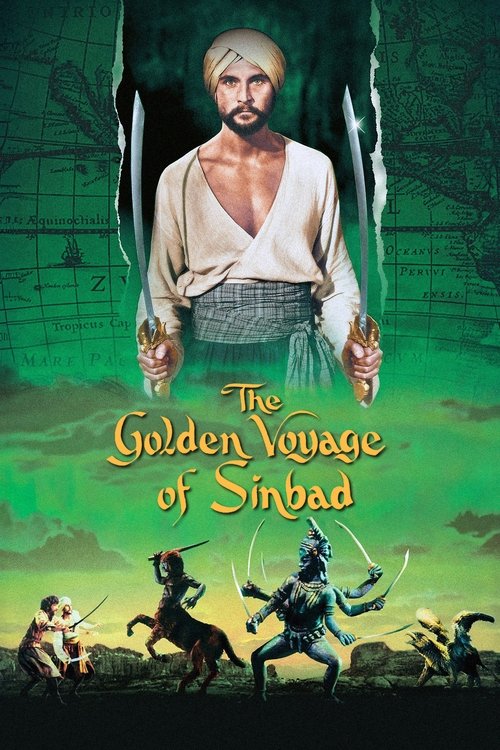
1973

1969
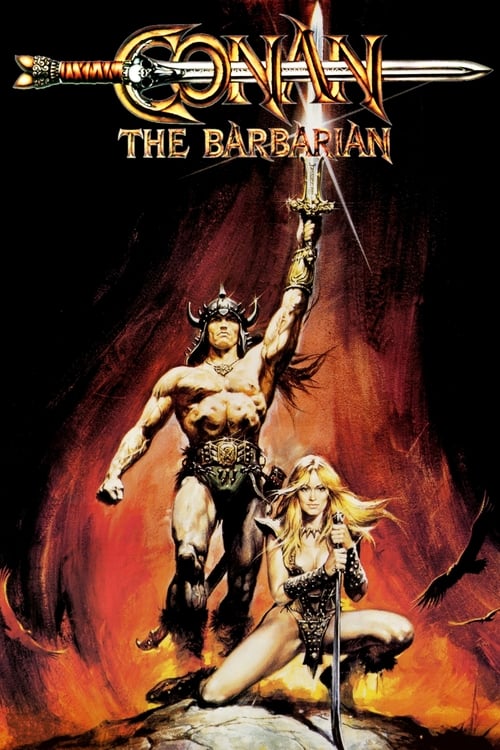
1982
No reviews yet. Be the first to share your thoughts on this movie!
Use the rating form above to leave a star rating and optional review.