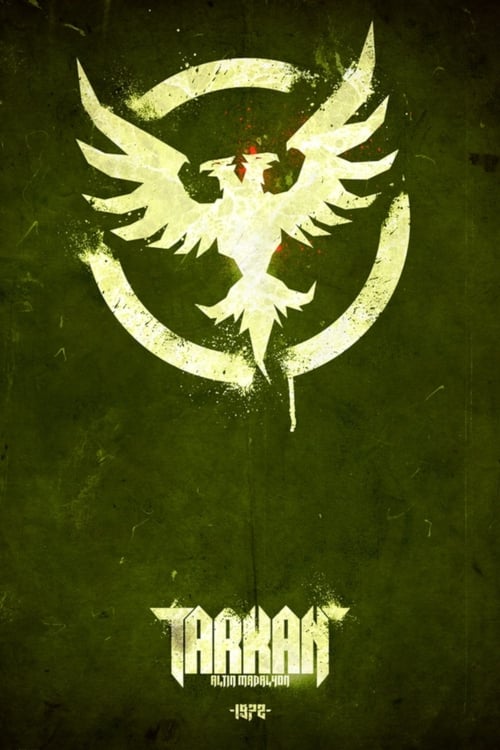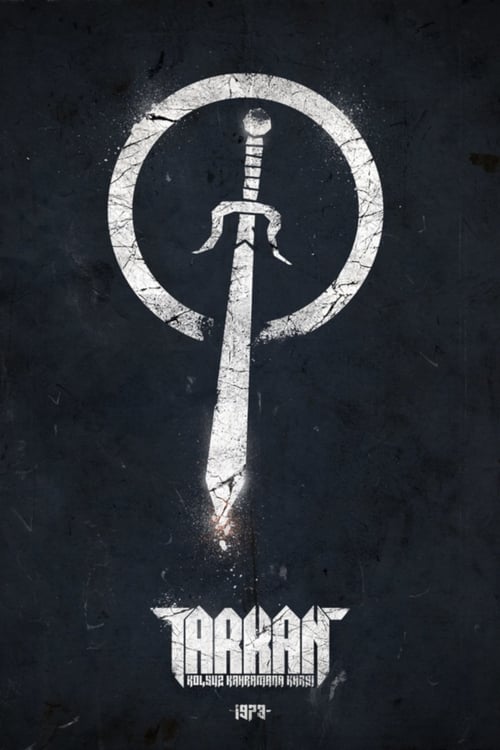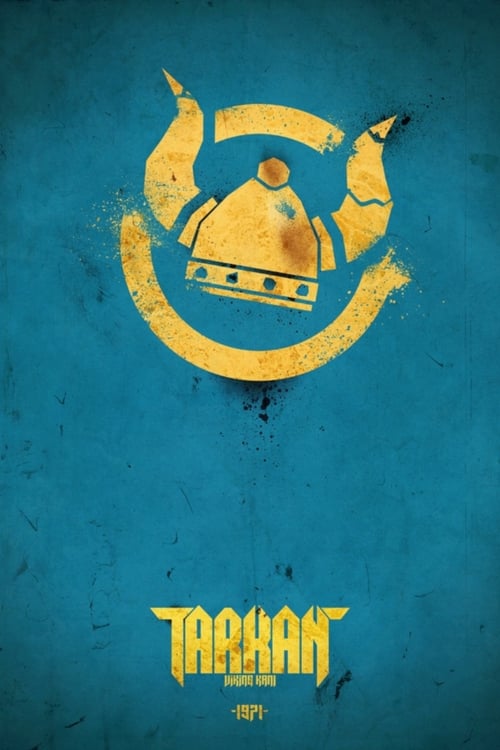
Tarkan and the Blood of the Vikings
1971
No user ratings available yet
Diversity score: 2.4 out of 10
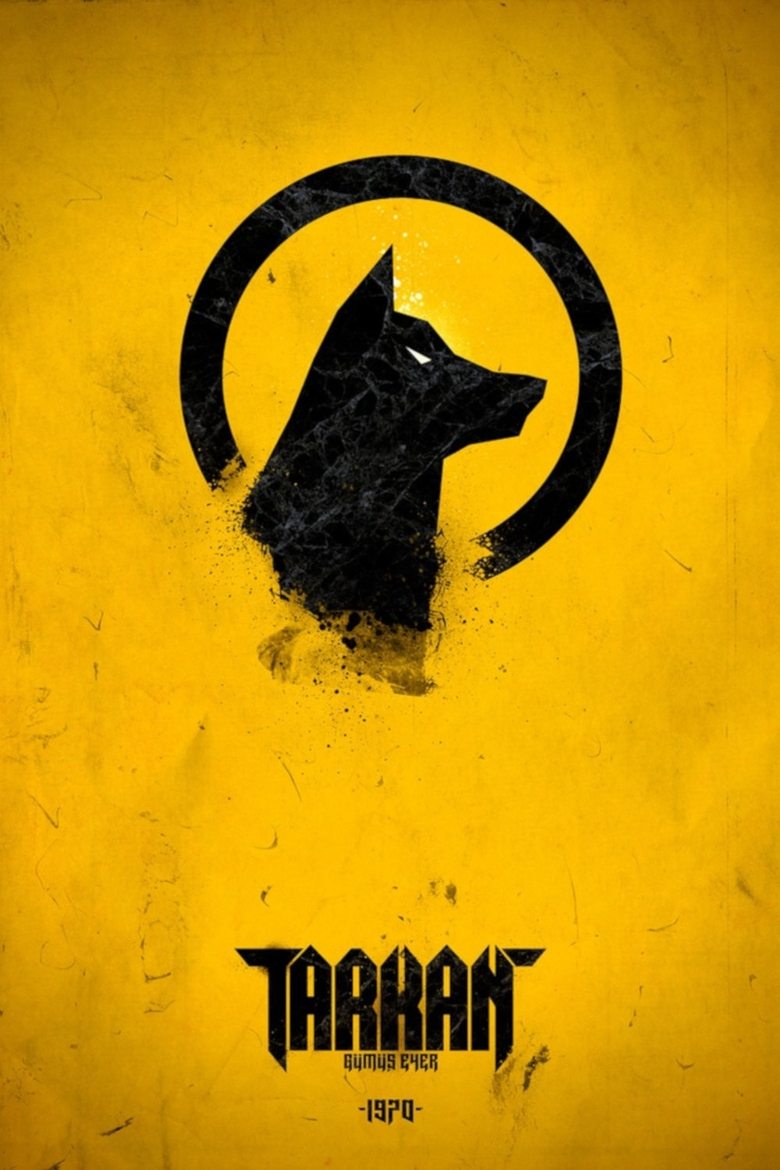
1970
Director
Mehmet Aslan
Runtime
82 minutes
Average Rating
No ratings yetSynopsis
Atilla the Hun gives a Silver Saddle to Altar as a gift. The intention of Kostok is the get rid of the Huns and seize the valuable saddle. Little Tarkan's foster mother is forced to leave him in a cave. His cry attracts the attention of a wolf, who raises Tarkan like his own cub.
Overall Score
Limited
Category Breakdown
LGBTQ+ Representation
The film adheres to conventional romantic structures typical of 1970s adventure cinema. There is no evidence of non-cisnormative gender identities or same-sex intimacy within the narrative.
Gender Representation
The story reinforces traditional hierarchies by centering on the male protagonist, Tarkan. Female characters function primarily as secondary figures or catalysts for the hero rather than independent agents.
Racial & Ethnic Diversity
The film provides meaningful representation of Central Asian and nomadic cultures. It disrupts Western-centric hegemony by centering a Turkish cast and a Near Eastern setting, though it relies on tribal tropes.
Religious & Cultural Diversity
The narrative focuses on martial prowess, honor, and tribal justice. It avoids Western institutional morality but leans heavily into the glorification of the traditionalist warrior archetype.
Disability Representation
There is no discernible focus on visible or invisible disabilities within the available synopsis and genre context.
Strengths
Areas for Improvement
AI Analysis
Tarkan and the Silver Saddle offers a refreshing departure from Western-centric 'Sword and Sandal' tropes by centering Central Asian historical mythos. This provides a degree of ethnic diversity rarely seen in mainstream global cinema of its era. However, the film remains deeply rooted in the traditionalist values of the 1970s. The narrative architecture prioritizes masculine agency and conventional social structures, lacking any significant intersectional complexity or subversive elements. Ultimately, while the setting provides cultural variety, the internal logic relies on rigid gender hierarchies and archetypal heroism rather than nuanced character studies.
No reviews yet. Be the first to share your thoughts on this movie!
Use the rating form above to leave a star rating and optional review.