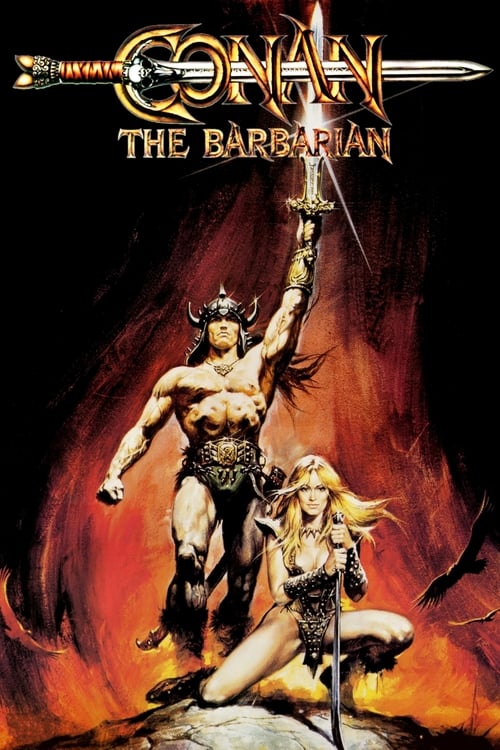
Conan the Barbarian
2011
No user ratings available yet
Representation score: 4.6 out of 10
Representation Score
Limited
1982
RDirector
John Milius
Runtime
130 minutes
Average Rating
No ratings yetNew Showbiz Analysis
Conan the Barbarian is a mythic epic that prioritizes primal individualism and the deconstruction of religious authority over modern social representation. It excels in world-building through a multi-ethnic visual aesthetic and a sophisticated critique of corrupt institutions. However, the film remains deeply rooted in traditional hierarchies. The focus on a hyper-masculine lead and the lack of LGBTQ+ or disability representation limit its multi-layered breadth. While it avoids some common clichés through characters like Valeria, it ultimately reinforces conventional gender roles and a singular protagonist's journey.
Category Breakdown
The film focuses on a strictly binary social structure where there are no LGBTQ+ characters or storylines involving gender identity or sexual orientation.
The narrative centers on a hyper-masculine archetype of strength and dominance. Female characters like Valeria play significant roles, while others like Princess Yasimina are often portrayed as objects of political or romantic value.
The film features a diverse visual palette suggesting a multi-ethnic landscape among slave populations and background warriors. However, the narrative focus remains centered on a singular, white protagonist.
The film offers a complex critique of organized religion, portraying Thulsa Doom’s cult as a predatory mechanism for exploitation. It promotes moral relativism and personal codes over institutionalized belief systems.
There is no meaningful depiction of disability. Physical trauma and combat serve primarily as drivers for the protagonist's physical prowess rather than exploring the experiences of disabled characters.
Present on Screen
Limited or Absent
Official Synopsis
A horde of rampaging warriors massacre the parents of young Conan and enslave the young child for years on The Wheel of Pain. As the sole survivor of the childhood massacre, Conan is released from slavery and taught the ancient arts of fighting. Transforming himself into a killing machine, Conan travels into the wilderness to seek vengeance on Thulsa Doom, the man responsible for killing his family. In the wilderness, Conan takes up with the thieves Valeria and Subotai. The group comes upon King Osric, who wants the trio of warriors to help rescue his daughter who has joined Doom in the hills.
2011
1982
1984
1985
1987
1981
2022
1958
No reviews yet. Be the first to share your thoughts on this movie!
Use the rating form above to leave a star rating and optional review.