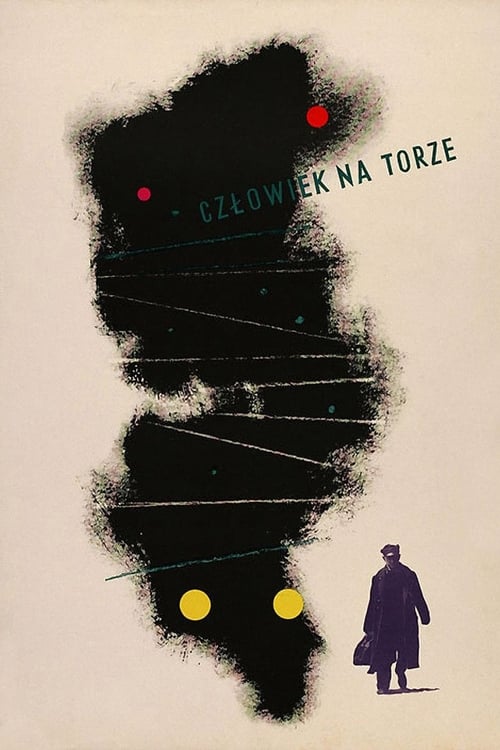
Man on the Tracks
1957
No user ratings available yet
Representation score: 4.2 out of 10
Representation Score
Limited
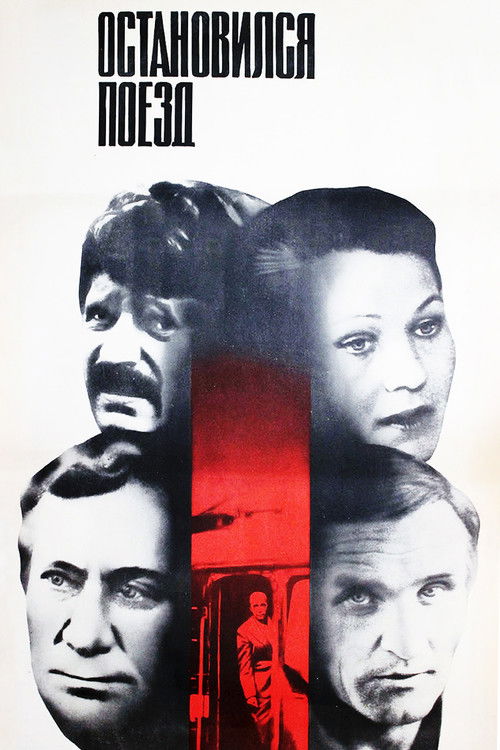
1982
Director
Vadim Abdrashitov
Runtime
96 minutes
Average Rating
No ratings yetNew Showbiz Analysis
The film is an intellectually challenging drama that prioritizes systemic critique over broad demographic representation. It successfully deconstructs institutional infallibility and explores the conflict between individual ethics and bureaucratic inertia. However, the production lacks representation of diverse identities. The cast is culturally homogeneous, and the narrative does not engage with LGBTQ+ identities or diverse racial backgrounds. Ultimately, the film's strength lies in its moral complexity rather than its social diversity, focusing on the psychological impact of living within a decaying institution.
Category Breakdown
The film is set in the Soviet railway system and does not include any characters with non-cisgender identities or same-sex relationships.
The story emphasizes technical skill and intellectual rigor. However, the main characters adhere to traditional gender roles and do not challenge gendered power dynamics.
The cast is predominantly made up of people from similar backgrounds, reflecting the socio-political context of 1982. It does not offer much representation of diverse ethnic or racial identities.
The film effectively critiques institutional structures and state efficiency. It examines the tension between personal truth and official bureaucratic narratives.
The story does not feature characters with visible or invisible disabilities. Physical injuries serve as plot devices but do not explore disability issues.
Present on Screen
Limited or Absent
Official Synopsis
In this drama with socio-political nuances, a heroic engineer is able to save the passengers on his train from injury or death by sacrificing his own life when his locomotive crashes. An investigator Ermakov and journalist Malinin are both involved in the story of the crash but from two different angles: the investigator wants to find out why it happened, the journalist wants to laud the heroism of the dead engineer.
1957

1976

1978
1971
1960

1981

1977

1995
No reviews yet. Be the first to share your thoughts on this movie!
Use the rating form above to leave a star rating and optional review.