
Flirting Scholar
1993
No user ratings available yet
Representation score: 2.2 out of 10
Representation Score
Fair
1997
Director
Lee Lik-Chi
Runtime
101 minutes
Average Rating
No ratings yetNew Showbiz Analysis
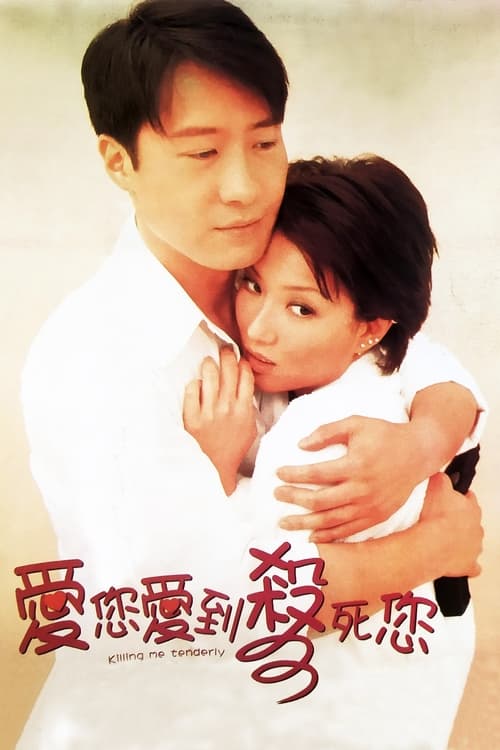
Killing Me Tenderly introduces progressive ideas within a commercial framework, successfully subverting traditional gender roles by positioning the female lead as a protector. However, the film often uses non-straight identities as plot devices for situational comedy rather than deep character development. Ultimately, it balances local cultural identity with traditional genre clichés.
Category Breakdown
The film presents a protagonist who adopts a non-straight identity for professional reasons, treating queer identity as a tactical disguise for humor rather than exploring authentic experiences.
Cindy challenges traditional gender roles by protecting and influencing the male lead, creating a nuanced power dynamic where she holds professional leverage.
The cast and setting are ethnically uniform, reflecting the cultural identity of Hong Kong during the film's production. It emphasizes local identity without challenging Anglo-centric norms or promoting diverse casting.
The story examines the conflict between traditional village life and modern pop stardom, subtly critiquing rigid social norms while maintaining conventional romantic and comedic resolutions.
There are no visible or invisible disabilities depicted that drive the narrative or characterize the primary cast.
Present on Screen
Limited or Absent
Official Synopsis
Cindy is a rising pop singer who, unbeknown to her, is being stalked by a crazy fan. In response, her "Foster Mother" calls in the police to help. Meanwhile, a young police sergeant, Lai Su-kan is tired of his life as the Head of his village in the New Territories. After putting in a transfer, he gets the protection of Cindy as his first job. Only problem, is that he has to pretend to be gay.
1993

1999
2007
1996
1992
2001

2001
1995
No reviews yet. Be the first to share your thoughts on this movie!
Use the rating form above to leave a star rating and optional review.