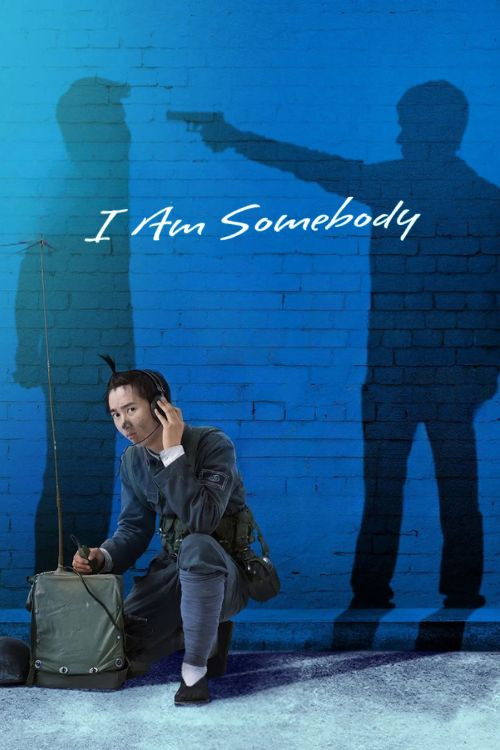
I Am Somebody
2015
No user ratings available yet
Representation score: 5.8 out of 10

Representation Score
Good
1999
Director
Lee Lik-Chi, Stephen Chow
Runtime
89 minutes
Average Rating
No ratings yetNew Showbiz Analysis
King of Comedy is a poignant exploration of the working class, using 'mo lei tau' humor to highlight the resilience of underrepresented individuals. It provides a culturally specific lens that avoids Western-normative perspectives, centering on the dignity of those struggling against systemic indifference. However, the film's representation is narrow in scope. It lacks engagement with LGBTQ+ identities and provides no specific narratives regarding physical or neurodivergent disabilities. The focus remains strictly on class-based struggles and traditional romantic structures. Ultimately, the film is a strong cultural statement for Hong Kong cinema, but it operates within a relatively conventional framework regarding gender and identity politics.
Category Breakdown
The film does not include any explicit LGBTQ+ characters or narratives. The story focuses on traditional romantic clichés and class struggles, offering no visible queer ability to act.
The protagonist challenges traditional masculinity through emotional vulnerability. The female lead maintains a significant role in driving the story and intellectual independence throughout the romantic storyline.
The narrative centers a non-Anglo-Saxon cultural framework within Hong Kong. It explores identity through localized socio-economic realities.
The film prioritizes the dignity of the underdog over capitalist achievements. It frames the struggle against systemic economic hardship as a central, empathetic theme.
There is no evidence of characters with visible or invisible disabilities. The film focuses on social exclusion rather than specific disability narratives.
Present on Screen
Limited or Absent
Official Synopsis
Wan Tin-Sau is an actor who cannot seem to catch a break, since his only professional jobs are limited to being a movie extra. As well as being an actor, he is also the head of his village's community center.
2015
2005
2002

1994

2004

2008

1994

2012
No reviews yet. Be the first to share your thoughts on this movie!
Use the rating form above to leave a star rating and optional review.