
Tri-Star
1996
No user ratings available yet
Representation score: 5.8 out of 10
Representation Score
Limited
1992
Director
Terry Tong Gei-Ming
Runtime
95 minutes
Average Rating
No ratings yetNew Showbiz Analysis
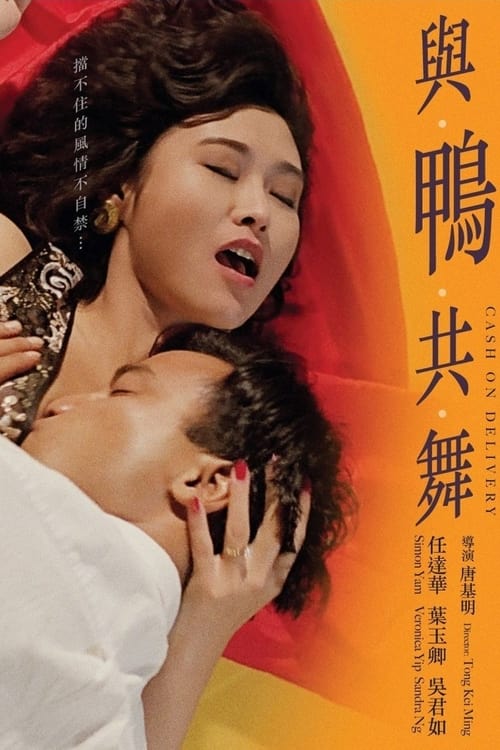
Cash on Delivery is a genre-driven drama that prioritizes romantic and legal tension over social commentary. While it offers moments of professional female competence, the narrative remains anchored in conventional social hierarchies and traditional formulas. The central conflicts—ranging from accidental crime to reproductive desperation—emphasize individual ability to act and situational morality. It operates within a localized framework that does not seek to critique systemic structures. Ultimately, the work reflects the commercial storytelling standards of its time, focusing on established narrative arcs rather than progressive representation.
Category Breakdown
The film focuses on heterosexual romantic relationships and traditional courtship. There are no LGBTQ narratives or non-cisgender identities present in the story.
Sandy showcases professional competence and intellectual authority as a prosecutor, providing a strong female role model. However, other female characters are portrayed through unstable or traditional roles.
The cast appears uniform, reflecting the regional industry standards of the era. There is no indication of diverse casting or challenging ethnic hierarchies.
The plot explores moral ambiguity and situational ethics within a localized social context. It centers on traditional societal structures, such as the transactional nature of family lineage.
The narrative provides no evidence regarding the depiction of physical or neurodivergent disabilities.
Present on Screen
Limited or Absent
Official Synopsis
Retired gigolo Simon is engaged in antique trading and brokerage. His cousin Mike is a new gigolo who got into trouble and was caught in a lawsuit. Simon encountered Assistant Prosecutor Sandy in court. Eventually they fall in love with each other. Mrs. Liu and her husband Peter, a wealthy businessman, have no children, which makes the family very dissatisfied. They hire Simon to impregnate her. but she fell in love with Simon and pestered him obsessively. Simon accidentally killed Peter by mistake. Mrs. Liu accused Simon of murdering her husband. Sandy acted as Simon's defense lawyer and used her resourcefulness to get Simon acquitted.
1996
1994
1987

1997
2005
1993

2000

1993
No reviews yet. Be the first to share your thoughts on this movie!
Use the rating form above to leave a star rating and optional review.