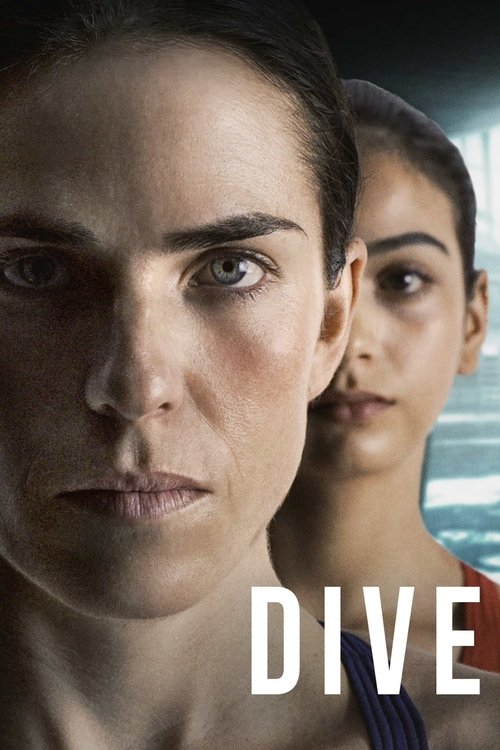
DIVE
2022
No user ratings available yet
Representation score: 5.9 out of 10

Representation Score
Good
2024
Director
Guy Nattiv, Zar Amir Ebrahimi
Runtime
104 minutes
Average Rating
No ratings yetNew Showbiz Analysis
Tatami is a sophisticated thriller that challenges genre conventions by focusing on the struggles of Iranian women against state-mandated compliance. It uses an identity-driven framework to critique institutional power and systemic oppression. The film excels in its commitment to authentic, non-Western-centric storytelling, avoiding common clichés and providing a deeply personal look at political ability to act. While the film lacks explicit details regarding LGBTQ+ identities or disability representation, its strength lies in its focus on female empowerment and its critique of oppressive state structures.
Category Breakdown
The film focuses on the relationship between Leila and Maryam, suggesting a complex bond that exists outside of traditional state-sanctioned roles. However, there are no specific non-straight-centered depictions confirmed in the film.
Women play a central role in driving the plot, demonstrating both intellectual and physical strength as judokas. The narrative highlights the tension when their bodies are treated as state property, challenging the autonomy of women.
The film offers a nuanced look at the intersection of ethnic identity and state authority through the lens of an Iranian perspective. It avoids Western-centric clichés, providing a rich and authentic representation.
The story critiques the oppressive nature of a specific state apparatus within the Islamic Republic. It explores moral relativism through Leila's difficult political choices, highlighting the corruption of the state.
There is no evidence of the portrayal of physical or neurodivergent disabilities in the film. The plot mentions a potential fake injury used for political maneuvering.
Present on Screen
Limited or Absent
Official Synopsis
Iranian female judokas Leila and her coach Maryam, travel to the Judo World Championship, intent on bringing home Iran’s first gold medal. Midway through the Judo World Championships, they receive an ultimatum from the Islamic Republic ordering Leila to fake an injury and lose, or she will be branded a traitor of the state. With her own and her family’s freedom at stake, Leila is faced with an impossible choice: comply with the Iranian regime as her coach Maryam implores her to do, or fight on, for the gold.
2022
2019

2023

2019

2025

2025

2024
2018
No reviews yet. Be the first to share your thoughts on this movie!
Use the rating form above to leave a star rating and optional review.