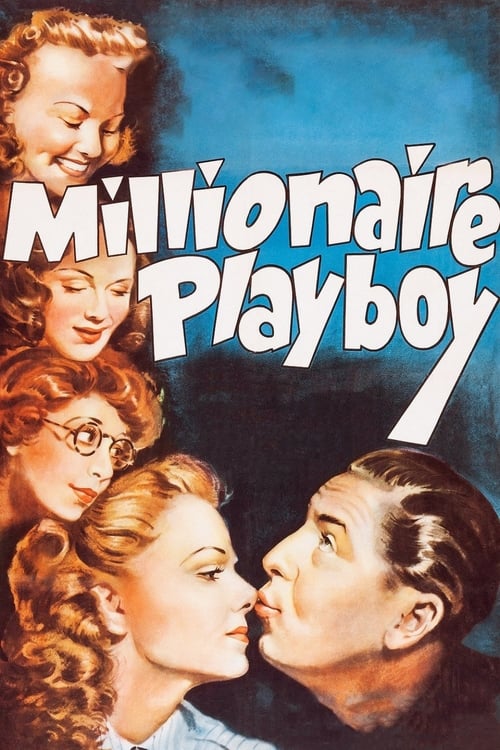
Millionaire Playboy
1940
No user ratings available yet
Diversity score: 3.2 out of 10

1934
Director
René Clair
Runtime
90 minutes
Average Rating
No ratings yetSynopsis
The Last Billionaire is a 1934 French comedy film directed by René Clair and starring Max Dearly, Marthe Mellot and Renée Saint-Cyr. The film is based on a fictional small European kingdom which is on the verge of going broke. Its French title is Le dernier milliardaire.
Overall Score
Limited
Category Breakdown
LGBTQ+ Representation
The film offers no evidence of non-cisnormative identities or same-sex narratives. It appears to adhere to the heteronormative social standards of 1934.
Gender Representation
Female leads like Marthe Mellot and Renée Saint-Cyr occupy central roles. However, these characters likely function as romantic interests or comedic foils within traditional hierarchies.
Racial & Ethnic Diversity
Set in a small European kingdom, the film features a predominantly white cast. There is no indication of racial blending or non-European characters.
Religious & Cultural Diversity
The narrative provides a moderate critique by satirizing a failing monarchy. It frames established power structures and sovereign wealth as precarious and unstable.
Disability Representation
There is no documented evidence regarding the inclusion of characters with physical or neurodivergent disabilities.
Strengths
Areas for Improvement
AI Analysis
René Clair’s comedy focuses on class dynamics and the absurdity of wealth within a decaying monarchical structure. While the film uses satire to examine social institutions, it lacks modern intersectional depth. The production reflects the demographic homogeneity and social mores of the 1930s. It prioritizes stylistic innovation and systemic critique over diverse character representation. Ultimately, the film functions as a traditional period comedy that critiques economic instability rather than exploring a broad spectrum of human identities.
1940

1949
1976

1934

1986
1931
1963
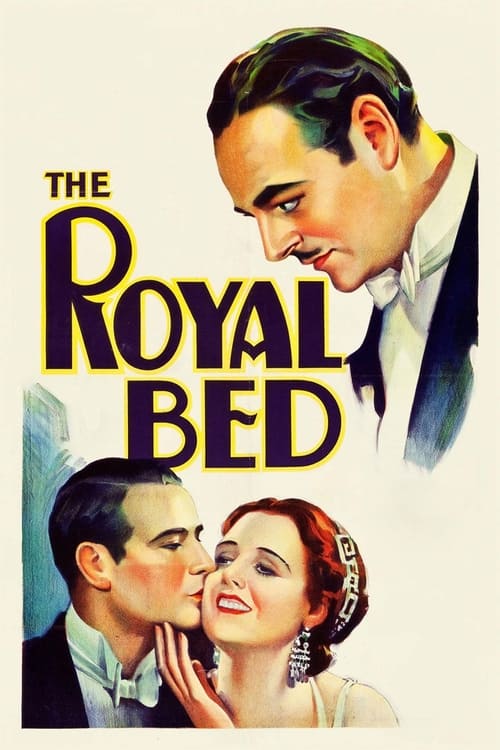
1931
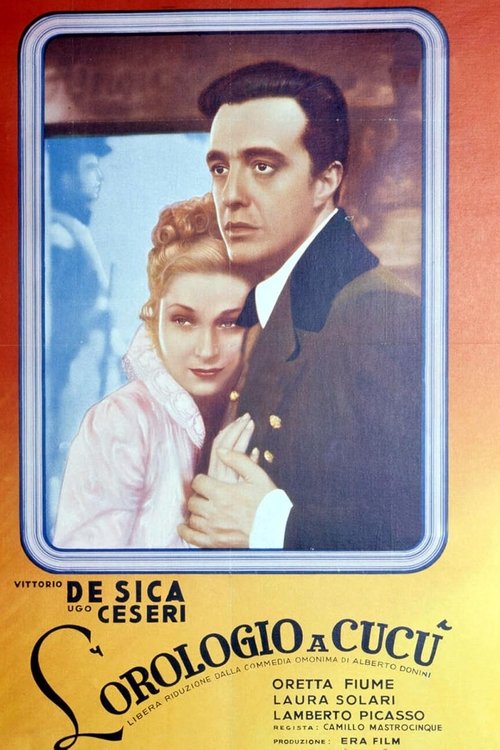
1938

1939
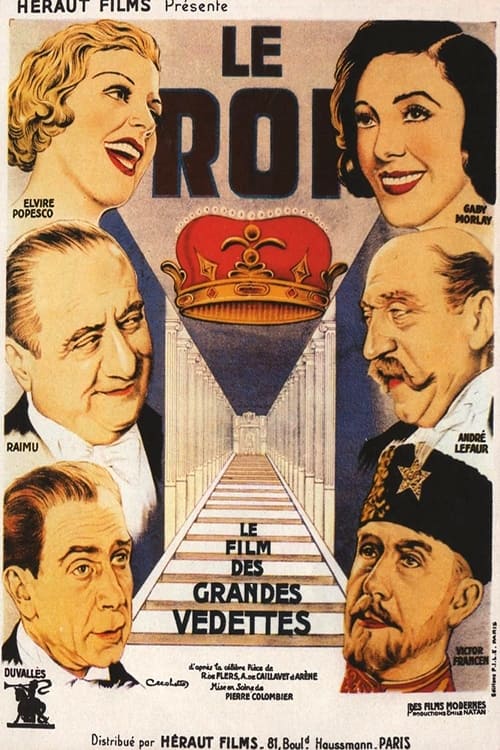
1936

1975
No reviews yet. Be the first to share your thoughts on this movie!
Use the rating form above to leave a star rating and optional review.