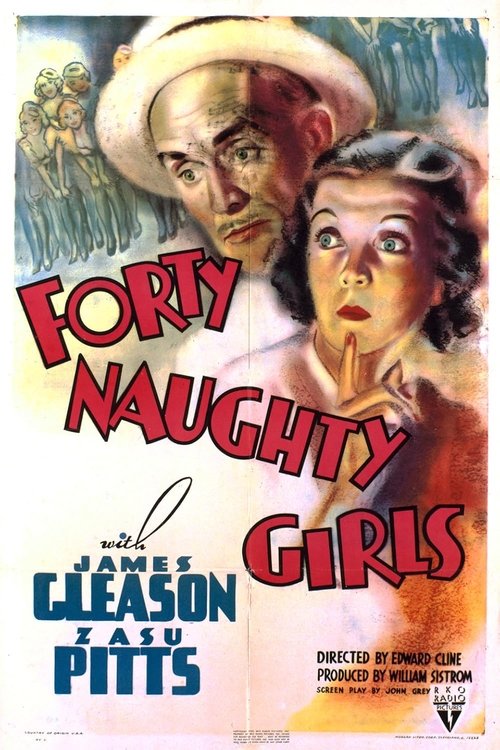
Forty Naughty Girls
1937
No user ratings available yet
Representation score: 2.0 out of 10
Representation Score
Minimal
1939
ApprovedDirector
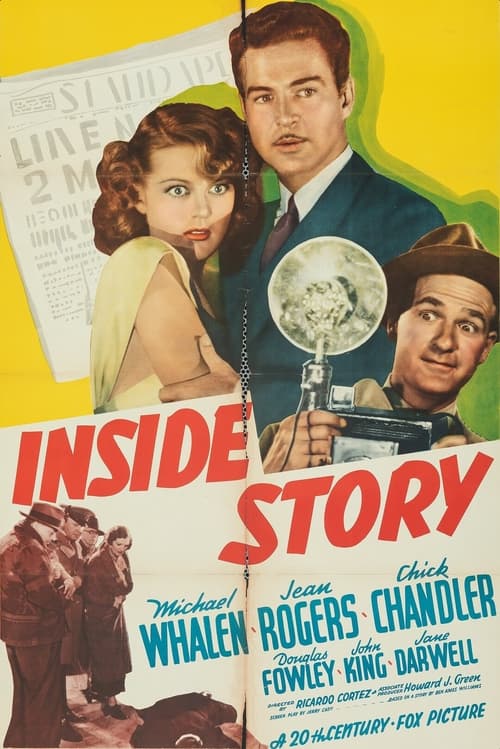
Ricardo Cortez
Runtime
60 minutes
Average Rating
No ratings yetNew Showbiz Analysis
Inside Story is a product of the late 1930s Hollywood era, emphasizing traditional social hierarchies and romantic clichés. The narrative structure relies on a traditional gender dynamic where a male protagonist drives the plot to provide emotional resolution for a female character. The film lacks depth in representing multiple aspects of identity, sticking to the era's standard assumptions about gender and race.
Category Breakdown
The film does not include any characters with non-binary or LGBTQ+ identities. It follows a traditional romantic storyline typical of 1930s Hollywood.
The story revolves around a male reporter who drives the narrative forward. The female character seems passive, mostly reacting to the male lead's actions.
The cast appears to reflect the homogeneity typical of late 1930s Hollywood. It seems to center on Anglo-Saxon actors.
The plot highlights traditional Western values and holiday traditions. It reinforces conventional ideas of social stability through a classic Christmas setting.
There is no information about the portrayal of physical or cognitive disabilities in this film.
Present on Screen
Limited or Absent
Official Synopsis
A good-hearted reporter attempts to find the loneliest woman in New York so he can give her an old-fashioned Christmas on a farm..
1937
1944
1950
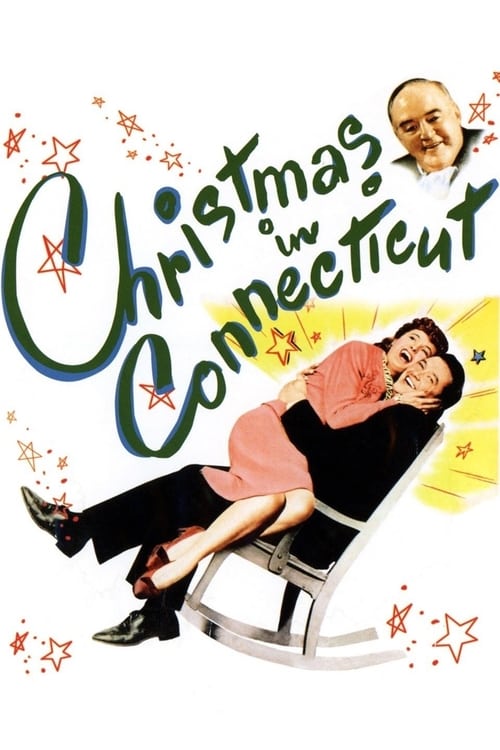
1945
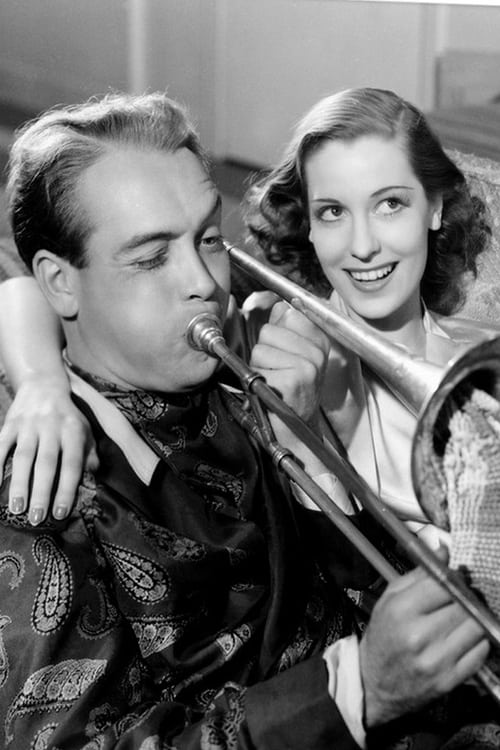
1938
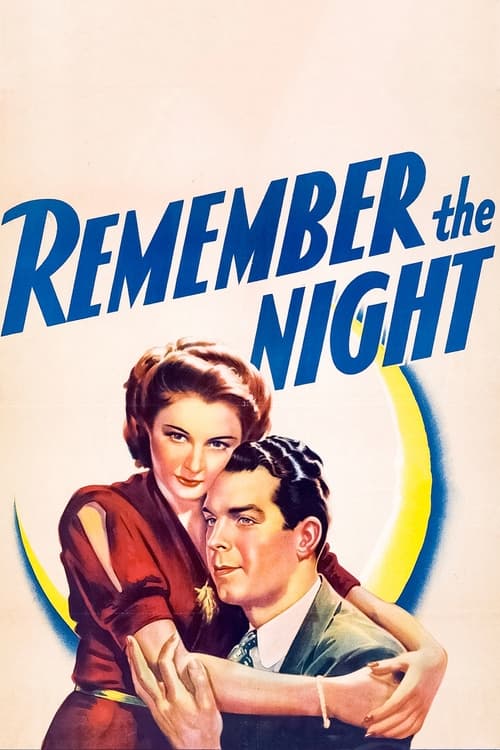
1940
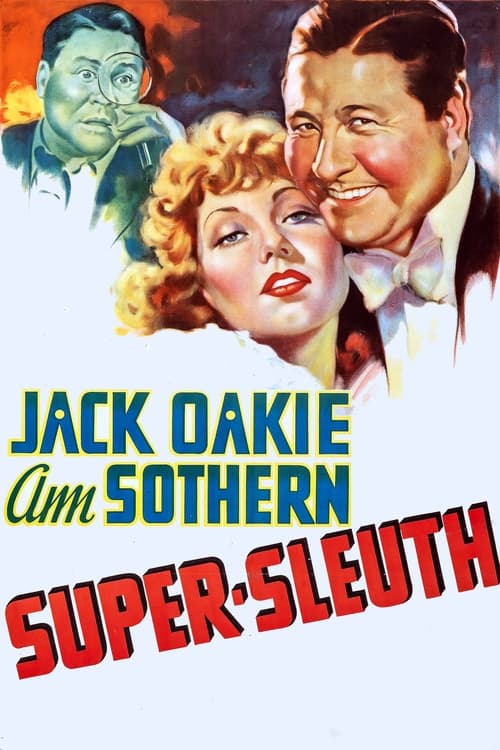
1937
1939
No reviews yet. Be the first to share your thoughts on this movie!
Use the rating form above to leave a star rating and optional review.