
Gabbar Is Back
2015
No user ratings available yet
Representation score: 2.7 out of 10
Representation Score
Fair
2003
Not RatedDirector
V. V. Vinayak
Runtime
175 minutes
Average Rating
No ratings yetNew Showbiz Analysis
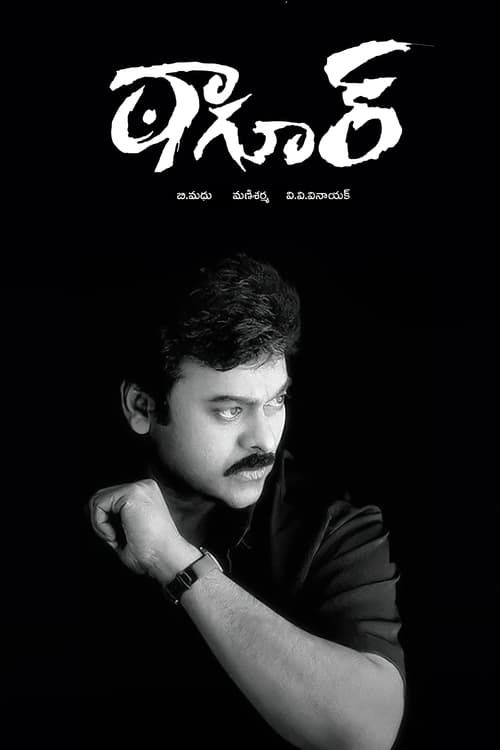
Tagore is a high-octane action drama that critiques systemic corruption rather than focusing on demographic diversity. The film’s main progressive value lies in its critique of institutional incompetence, suggesting that established legal frameworks are inadequate for achieving justice. While the film effectively challenges the monopoly of state power through its vigilante narrative, it remains tied to traditional social hierarchies. The storytelling emphasizes a singular masculine hero and lacks representation for LGBTQ+ identities and individuals with disabilities. Ultimately, the work serves as a localized critique of centralized power, using a grassroots network to bypass compromised state institutions.
Category Breakdown
The film follows traditional structures that assume everyone is straight or cisgender. There are no representations of non-binary gender identities or queer narratives.
The story focuses on a single male protagonist. Female characters mainly play traditional romantic or domestic roles and do not significantly influence the central political conflict.
The film showcases a culturally authentic South Indian cast and setting. It highlights local power dynamics and indigenous social structures.
The narrative challenges the idea that government and police are infallible by showing them as entities needing external intervention. It stays rooted in traditional views of heroism.
There are no characters with visible or invisible disabilities who have significant roles or ability to act in the story.
Present on Screen
Limited or Absent
Official Synopsis
Tagore (Chiranjeevi) creates his own vigilante military network called the Anti-Corruption Force (ACF) that eliminates the most corrupt individuals, from all walks of life, in a systematic manner. As pressure builds on Police and Government to track down the Man who masterminds these killings, Balbir Singh (Puneet Issar), is specially summoned to head the task. He is aided by Suryam (Prakash Raj) who, though being just a constable in the mammoth Police force, is compelled by his instincts to see through the underlying design. Together they unravel the mystery and unveil the phenomenon called Tagore, but not before Badrinaryana (Sayaji Shinde), the human face of evil, finds out that his revelry in the belief of Tagore’s death was a mistake he can never make amends for.
2015
2018
1993

2017
1995
1998
2012

1996
No reviews yet. Be the first to share your thoughts on this movie!
Use the rating form above to leave a star rating and optional review.