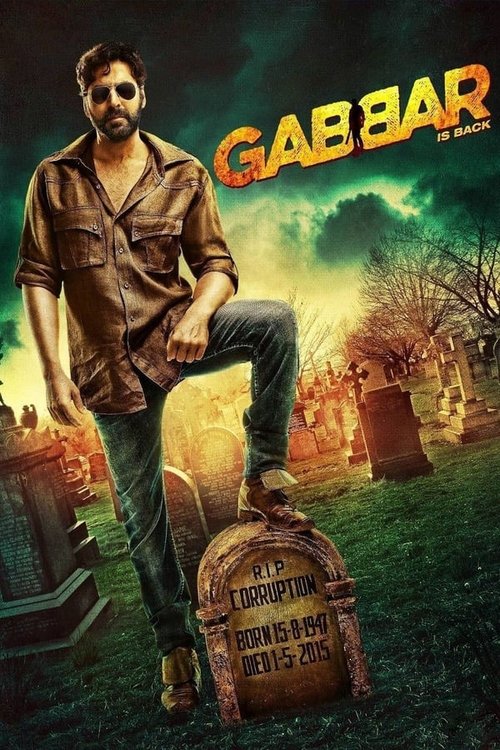
Gabbar Is Back
2015
No user ratings available yet
Representation score: 2.7 out of 10
Representation Score
Limited
2012
Not RatedDirector
Rumi Jaffery
Runtime
0 minutes
Average Rating
No ratings yetNew Showbiz Analysis
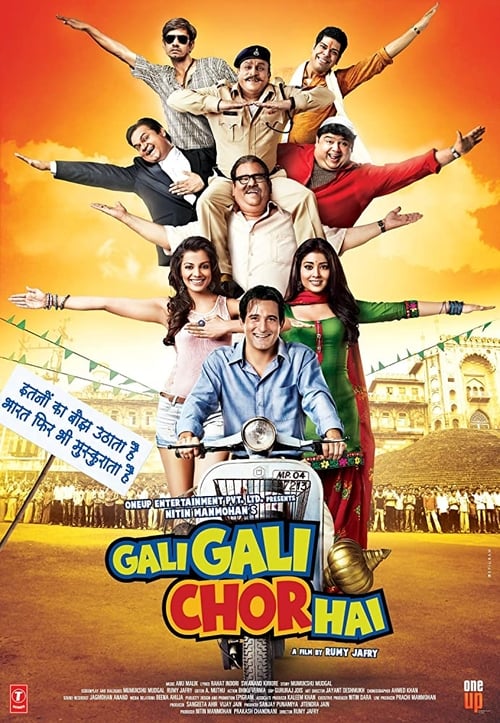
Gali Gali Chor Hai is a character-driven drama that prioritizes a critique of systemic corruption over identity-based representation. The film explores the tension between the common man and dishonest institutions, using the protagonist's descent into chaos as a narrative engine. However, the film operates within a narrow social lens, relying on traditional gender roles and a homogeneous cultural setting. It offers little room for complexity in addressing gender, sexual orientation, and disability. Ultimately, while the film provides a meaningful look at class and institutional failure, it lacks the diverse character archetypes necessary for a higher diversity rating.
Category Breakdown
The film does not include any LGBTQ+ characters or non-cisgender identities. The central relationship is between a husband and wife following a traditional structure.
Gender roles remain traditional, with the female lead's role closely tied to her husband's career. The story focuses on the male protagonist's fight against corruption.
The story centers on the Indian working class within a relatively uniform cultural context. It emphasizes class struggles rather than diverse ethnic or racial representation.
The film uses the Ramleela framework to engage with established cultural norms. It critiques systemic corruption and dishonesty within the civic order.
There are no characters with visible or invisible disabilities. The narrative does not address neurodivergence or chronic illness.
Present on Screen
Limited or Absent
Official Synopsis
Bharat is the Indian common man and a part-time actor, and portrays the role of Hanuman, the monkey God, at the local Ramleela skit. His family consists of his wife, Nisha, ambitious for her husband, and would like him to be promoted from cashier to manager at the bank. Bharat, however, wants to be Ram, the protagonist in Ramleela. And then one day, Bharat’s table-fan gets stolen. Bharat then gets sucked into a system that worships corruption and dishonesty, and is forced to bribe his way through criminals and law keepers alike, just to get this table-fan back. What the system does not seem to realise, however, is that even somebody as common as Bharat can snap, and when he does, he can make life hell for a lot of people
2015
2011
2011
2003
2017
1993
1993
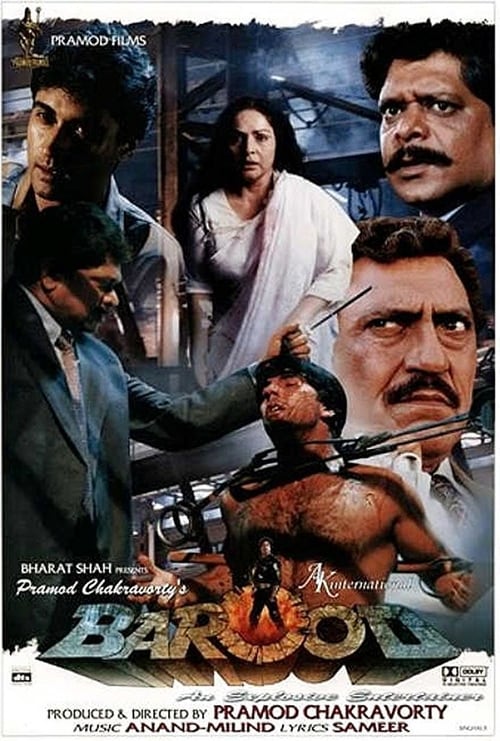
1998
No reviews yet. Be the first to share your thoughts on this movie!
Use the rating form above to leave a star rating and optional review.