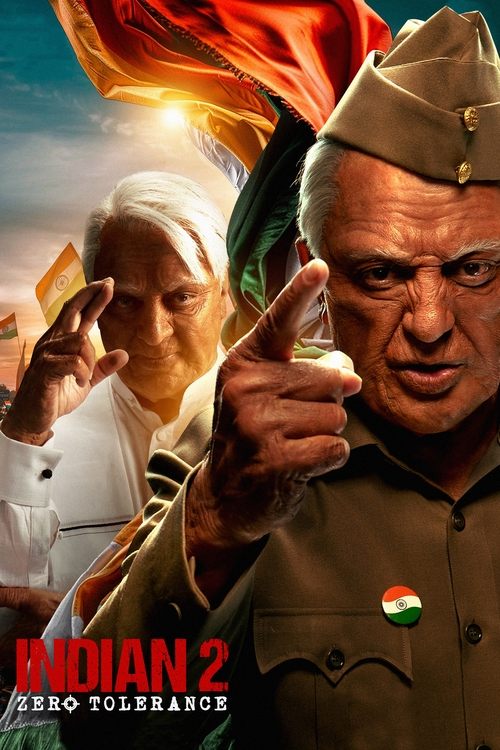
Indian 2: Zero Tolerance
2024
No user ratings available yet
Representation score: 3.5 out of 10

Representation Score
Limited
1996
Not RatedDirector
Shankar
Runtime
185 minutes
Average Rating
No ratings yetNew Showbiz Analysis
This socio-political thriller provides a complex look at power dynamics and institutional greed through its critique of systemic corruption and class struggle. However, it remains tied to traditional cinematic conventions regarding gender and identity. The lack of LGBTQ+ representation and the concentration of narrative ability to act in the male lead limit its progressive reach in these areas. Ultimately, the film's impact lies in its deconstruction of state authority and its focus on the rural working class against an urban elite.
Category Breakdown
The film does not include any LGBTQ+ characters or stories. The social framework focuses on traditional relationships.
The male protagonist drives the story significantly. Female characters face social and romantic struggles that reinforce traditional gender roles.
The film highlights the economic struggles of rural workers. It explores class-based identity through the conflict of laborers and the elite.
The narrative critically examines capitalist exploitation and centralized power. It portrays bureaucratic institutions as harmful to citizens.
There are no central depictions of physical, sensory, or neurodivergent disabilities in the film.
Present on Screen
Limited or Absent
Official Synopsis
Senapathy, an ex-freedom fighter, is angry. He is angry against the rampant corruption at every level of the bureaucracy. He will clean it up at any cost.
2024
2007
2006

2001
2002
2012
2025
2013
No reviews yet. Be the first to share your thoughts on this movie!
Use the rating form above to leave a star rating and optional review.