Rowdy
2022
No user ratings available yet
Diversity score: 2.3 out of 10
2013
Director
Matthew Whiteman
Runtime
59 minutes
Average Rating
No ratings yetSynopsis
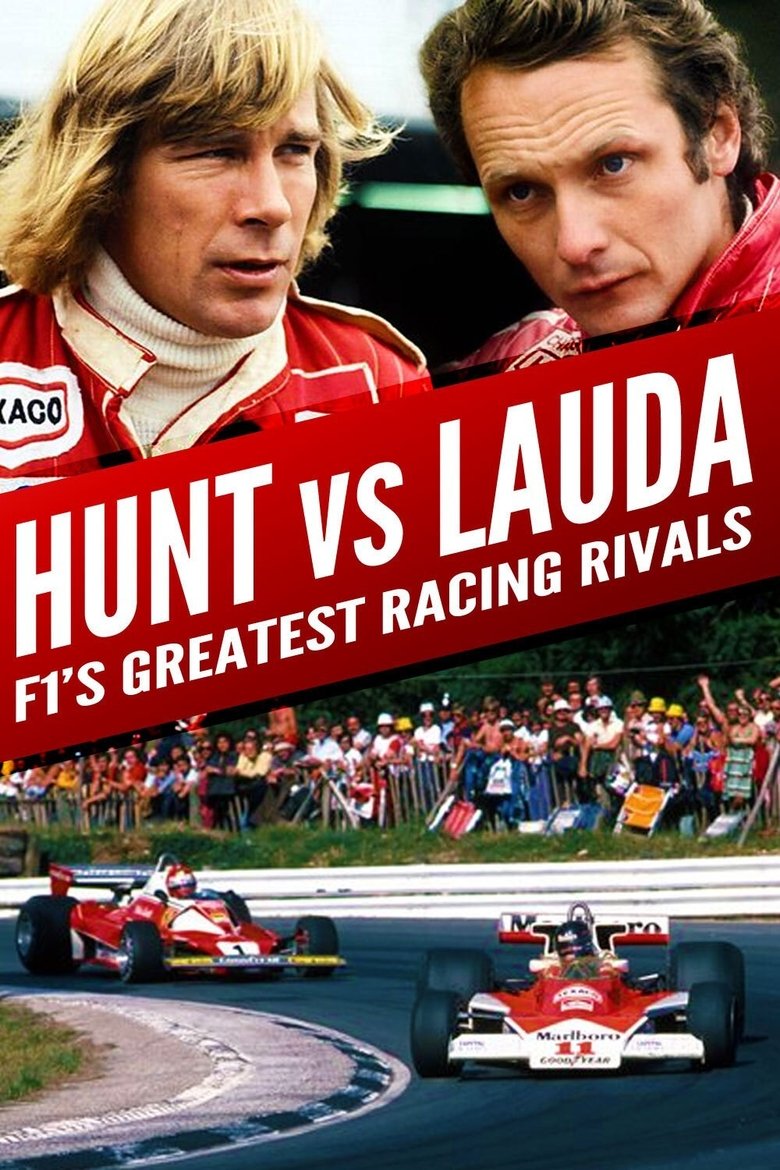
James Hunt has never been equalled. Could swashbuckling Hunt catch the scientific Lauda? Could Niki overcome an appalling crash to come back from the dead and fight James all the way to the last race of the season? This powerful story captures the heart of the 1970s - told through unseen footage and exclusive interviews with the people who were really there - the team managers, families, journalists and friends who were in the front row of the season that changed Formula 1 forever.
Overall Score
Limited
Category Breakdown
LGBTQ+ Representation
The film focuses strictly on the biographical accounts of central racing figures. There is no documented presence of LGBTQ+ characters or narratives engaging with heteronormativity.
Gender Representation
The narrative centers on the hyper-masculine competitive structures of 1970s Formula One. Women appear in peripheral roles as family members or observers rather than active sporting agents.
Racial & Ethnic Diversity
The documentary reflects the demographic homogeneity of 1970s motor racing. Interviewees and archival subjects are predominantly white and Anglo-Saxon, prioritizing historical accuracy over modern diversity.
Religious & Cultural Diversity
The film celebrates individual achievement and high-stakes competition within a capitalist framework. It adheres to traditional tropes of heroism and personal resilience rather than systemic critiques.
Disability Representation
Niki Lauda’s near-fatal accident provides a nuanced look at physical trauma and recovery. The film treats his return to the cockpit with technical and personal gravity.
Strengths
Areas for Improvement
AI Analysis
This documentary prioritizes historical authenticity, capturing the specific social landscape of 1970s Formula One. Because it relies on archival footage and journalistic fidelity, it mirrors the era's lack of diversity. The film is heavily centered on male-dominated competition and white, Anglo-Saxon subjects. This results in low scores for gender, race, and LGBTQ+ representation, as the work avoids contemporary representational shifts. However, the film excels in its depiction of physical resilience. By focusing on Niki Lauda's recovery from catastrophic injury, it provides a meaningful and dignified portrayal of navigating physical limitations.
2022
2016
2014
2011
2011
2007
2019

2017
2021

2023
2008
2010
No reviews yet. Be the first to share your thoughts on this movie!
Use the rating form above to leave a star rating and optional review.