
Edge: The Second Mountain
2020
No user ratings available yet
Representation score: 3.6 out of 10
Representation Score
Minimal
2016
ApprovedDirector
Michael Elliott
Runtime
91 minutes
Average Rating
No ratings yetNew Showbiz Analysis
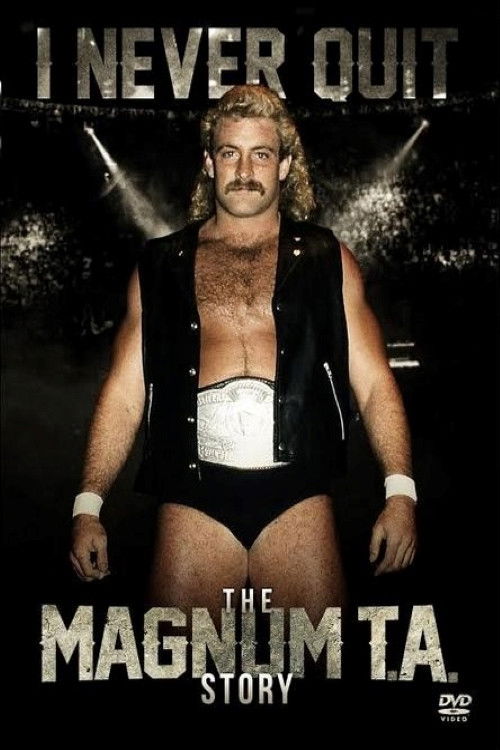
This biographical documentary focuses heavily on the personal resilience of Magnum T.A. following a life-altering car accident. While it excels in providing a nuanced, actively leading look at living with physical disability, the film remains narrow in its scope. The narrative is built around traditional male clichés and the individualistic 'triumph over adversity' arc common in Western storytelling. This focus limits the film's multi-layered breadth. Ultimately, the film is a specialized character study. It offers deep insight into disability and perseverance but lacks diversity in terms of gender, race, and sexual orientation.
Category Breakdown
The documentary does not include any LGBTQ+ characters or non-cisgender identities. It focuses on a traditional masculine archetype centered on the protagonist's career.
The film centers on a male professional athlete, reinforcing traditional masculine archetypes of leadership and physical grit. Female characters are not given roles who play a significant role in driving the story.
The story follows a specific individual within the 1980s wrestling scene. It lacks mention of a diverse cast or multi-layered social dynamics, suggesting a homogeneous structure.
The film follows a classic Western 'triumph over adversity' arc. It emphasizes individual willpower and personal grit rather than systemic critique or moral relativism.
The documentary provides a actively leading portrayal of physical disability and trauma. Magnum T.A. is depicted as a driver of his own recovery rather than a passive victim.
Present on Screen
Limited or Absent
Official Synopsis
At his apex, Magnum TA was a professional wrestling phenomenon, the biggest star in the National Wrestling Alliance in the mid 80s. After having troubles getting into the profession, Magnum TA persevered and when given his chance to shine he vaulted to the top of the professional wrestling world but in an instant on October 14, 1986 Magnum's life was changed forever in a near fatal car accident. While many would have given up and quit at the age of 27, Magnum TA never quit and reclaimed his life with the same motivation and determination that made him a wrestling superstar. Many in the world of wrestling ask what if this never happened to Magnum TA? This documentary takes you back to the scene where Magnum's life changed and you hear his breathtaking recollection of the accident and Magnum answers the question of what if. Also the documentary provides a career retrospective on the man who changed professional wrestling in a short period of time and a look into his life today.
2020

2018

2016

2004

2013
2004

2015
2020
No reviews yet. Be the first to share your thoughts on this movie!
Use the rating form above to leave a star rating and optional review.