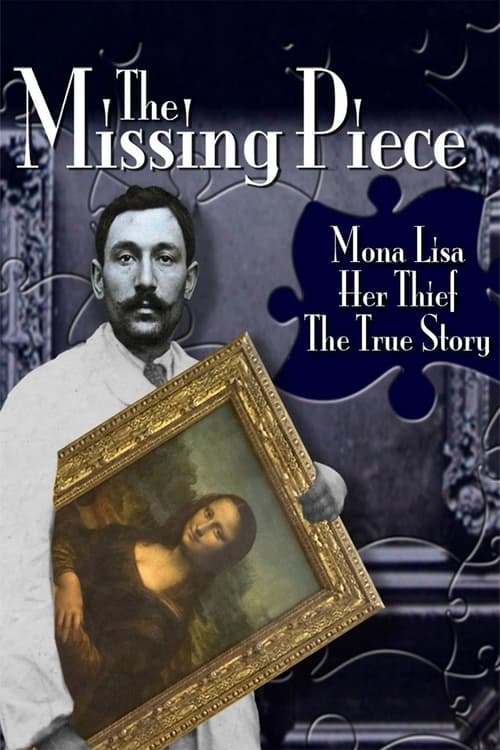
The Missing Piece: Mona Lisa, Her Thief, the True Story
2012
No user ratings available yet
Representation score: 3.3 out of 10
Representation Score
Fair
2006
Director
Rebecca Dreyfus
Runtime
84 minutes
Average Rating
No ratings yetNew Showbiz Analysis
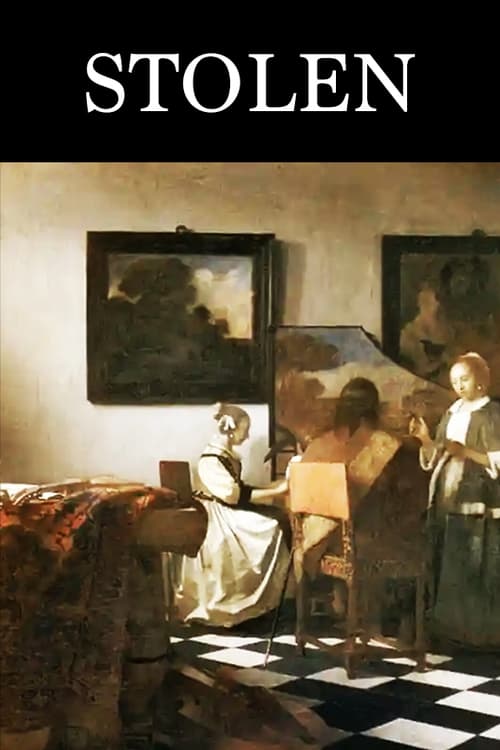
Stolen is a genre-specific investigative documentary that prioritizes historical reconstruction over social commentary. The narrative structure is built around piecing together clues from archival documents and informants to solve a famous art heist. Because the film centers on the theft of Western European masterpieces, the subject matter inherently leans towards Eurocentric traditions. This focus limits the opportunity for overt multi-layered representation or the subversion of traditional social hierarchies. The documentary functions as a forensic examination of a specific crime. It adheres to traditional documentary structures, focusing on archival evidence rather than intentional identity-based storytelling.
Category Breakdown
The documentary focuses on the mechanics of a high-profile art heist and the subsequent investigation. There is no evidence of LGBTQ+ characters or narratives addressing non-straight relationships.
The narrative follows a professional investigative framework. While the gender of interviewed experts is not specified, the subject matter centers on traditionally male-dominated institutions like art history and criminal investigation.
The film examines a heist rooted in Western art history and high-society American institutions. The core subject matter focuses on Eurocentric traditions without explicit evidence of non-white protagonists.
The film explores the intersection of law, high art, and crime. It critiques the efficacy of Western institutions like museums and law enforcement through a forensic examination of a historical event.
There is no information regarding the inclusion or portrayal of individuals with visible or invisible disabilities.
Present on Screen
Limited or Absent
Official Synopsis
In 1990, thieves absconded with 13 masterpieces -- including works by Rembrandt and Vermeer -- from Boston's Isabella Stewart Gardner Museum, pulling off the greatest art heist in U.S. history. Rebecca Dreyfus's investigative documentary delves into this modern mystery, piecing together clues gleaned from archival documents, art critics, historians, collectors and informants (both credible and dubious) to shed light on the as-yet unsolved case. Instant QueuePlay Trailer
2012
1973
2010
2020
2020
2021
2022
2019
No reviews yet. Be the first to share your thoughts on this movie!
Use the rating form above to leave a star rating and optional review.