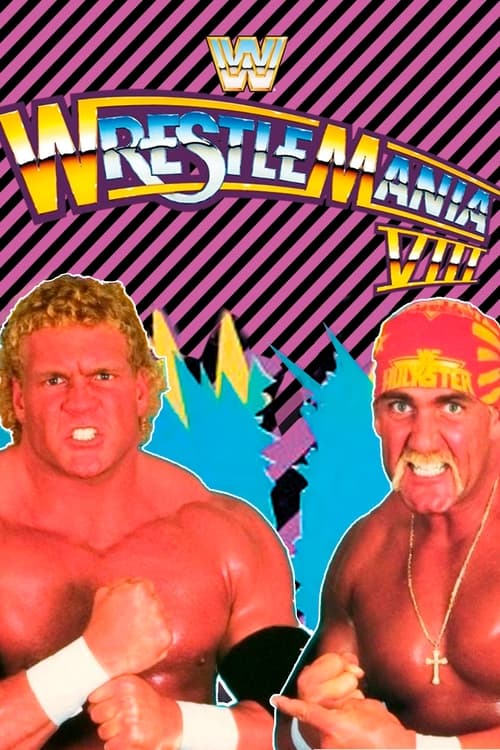
WWE WrestleMania VIII
1992
No user ratings available yet
Diversity score: 1.1 out of 10
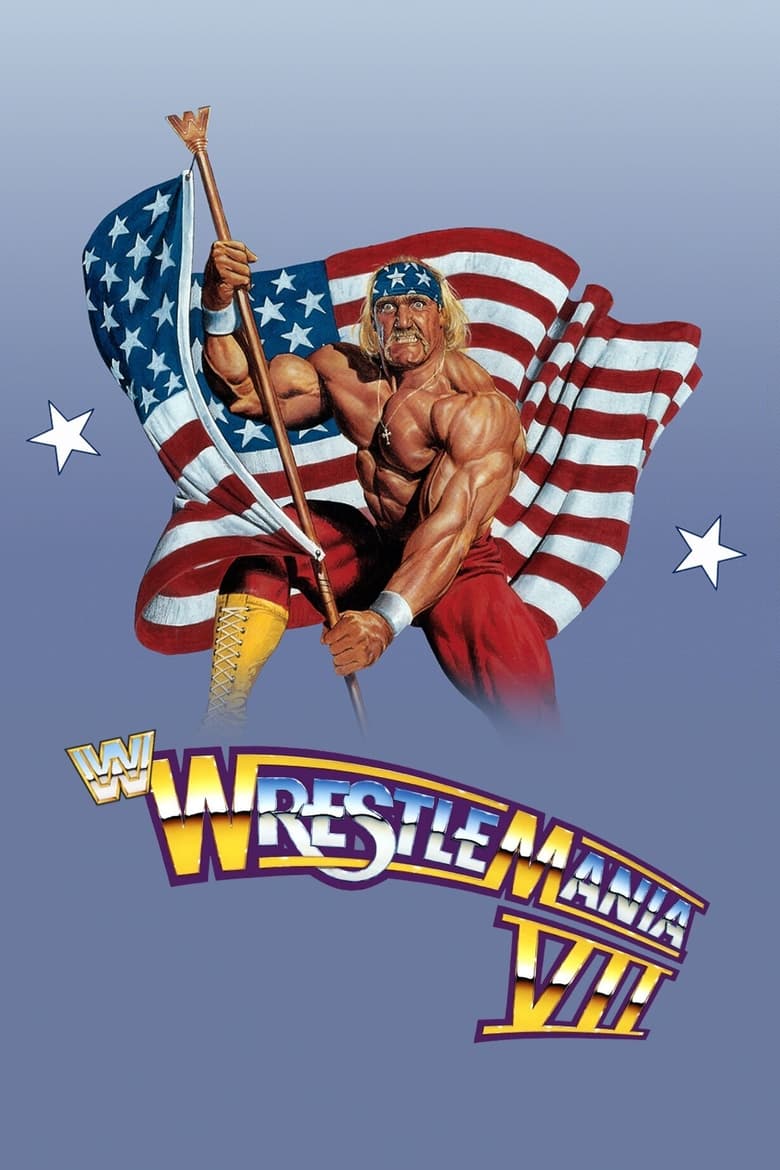
1991
TV-14Director
Vince McMahon
Runtime
210 minutes
Average Rating
No ratings yetSynopsis
Hulk Hogan plays by new rules as he tries to liberate the WWE Championship from the clutches of the traitorous Sgt. Slaughter. The WWE isn't big enough for two of the most intense superstars in history as The Ultimate Warrior and "The Macho King" Randy Savage collide in a Retirement match. The Hart Foundation defend the WWE World Tag Team Championship against the unruly Nasty Boys. The Big Boss Man battles Mr. Perfect for the WWE Intercontinental Championship. Plus The Rockers, Jake "The Snake" Roberts, The Legion of Doom, Earthquake, The Texas Tornado and more!
Overall Score
Minimal
Category Breakdown
LGBTQ+ Representation
The narrative is strictly heteronormative and cisnormative. There is a total absence of LGBTQ+ characters or non-cisnormative gender identities. The content focuses entirely on a masculine-coded competitive framework.
Gender Representation
The roster is overwhelmingly male-centric, with agency driven by heavyweight male competitors. Female figures like Sensational Sherri are relegated to peripheral managerial or valet roles rather than independent agents.
Racial & Ethnic Diversity
The event features diverse performers, including Black athletes like The Big Boss Man. However, representation is largely performative, utilizing ethnic identities to drive specific character archetypes and heel/face dynamics.
Religious & Cultural Diversity
The narrative leans heavily on patriotism and national identity. Conflicts, such as Sgt. Slaughter's anti-Western persona, are scripted tropes used to provoke animosity rather than offering systemic cultural critiques.
Disability Representation
There is no documented presence of characters with visible or invisible disabilities. The focus remains exclusively on able-bodied physical performance without engagement with neurodivergence or chronic illness.
Strengths
Areas for Improvement
AI Analysis
WrestleMania VII operates within a rigid, traditionalist framework that prioritizes clear-cut moral binaries and nationalistic fervor. The storytelling relies on established archetypes, such as the patriotic hero versus the foreign antagonist, to drive the spectacle. While the roster includes ethnic variety, these identities are often harnessed to fulfill specific narrative functions rather than providing nuanced or intersectional depth. The production reinforces conventional social hierarchies rather than challenging them. Ultimately, the event serves as a snapshot of its era, emphasizing physical dominance and traditionalist values. It lacks representation for LGBTQ+ individuals and people with disabilities, focusing instead on a narrow, able-bodied, masculine-coded competition.
1992
1989
1990

1994
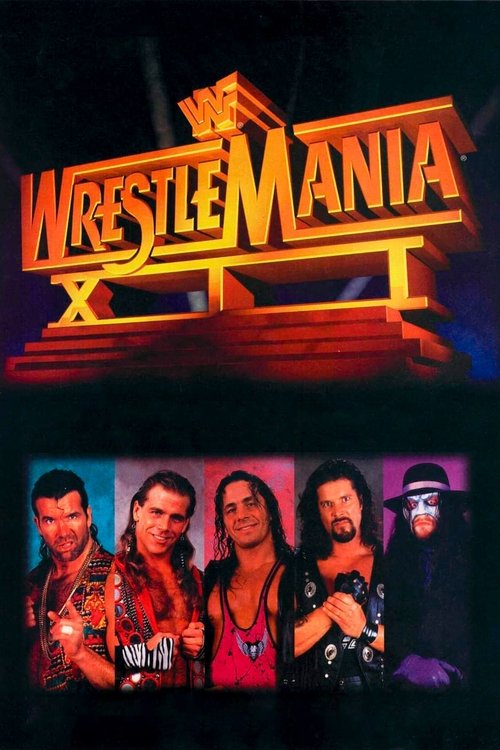
1996
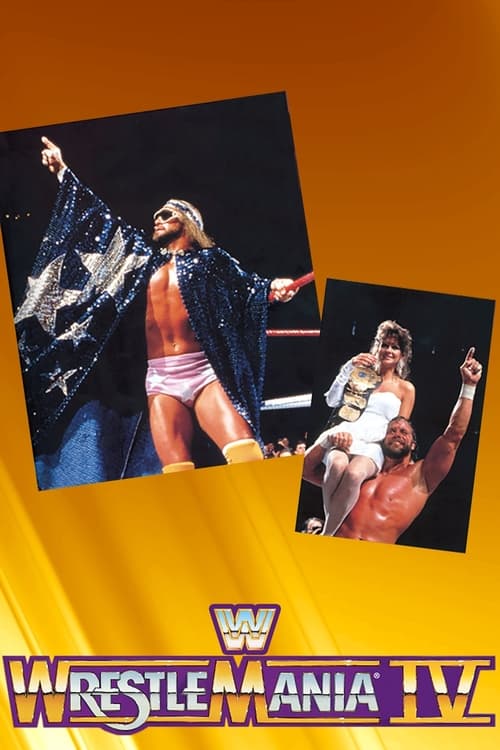
1988
1995

1987

1993
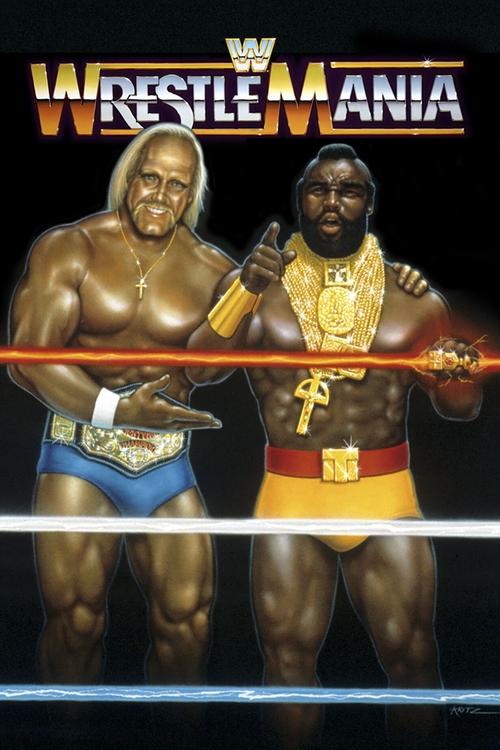
1985

1986

1998
No reviews yet. Be the first to share your thoughts on this movie!
Use the rating form above to leave a star rating and optional review.