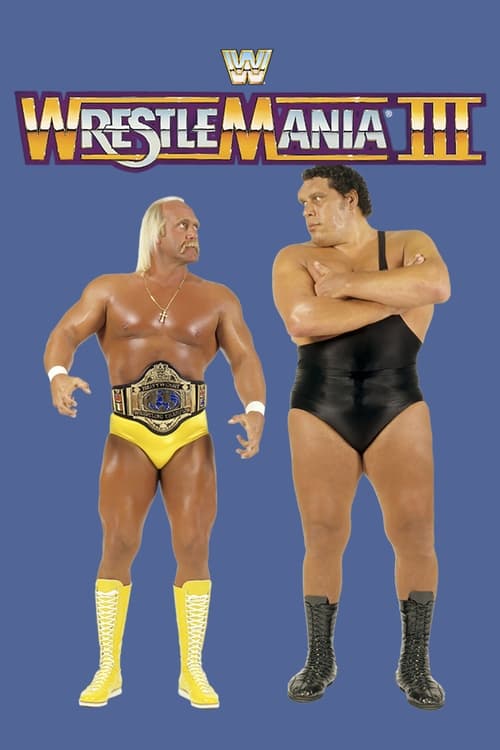
WWE WrestleMania III
1987
No user ratings available yet
Representation score: 0.5 out of 10
Representation Score
Minimal
1986
TV-PGDirector
Vince McMahon
Runtime
181 minutes
Average Rating
No ratings yetNew Showbiz Analysis
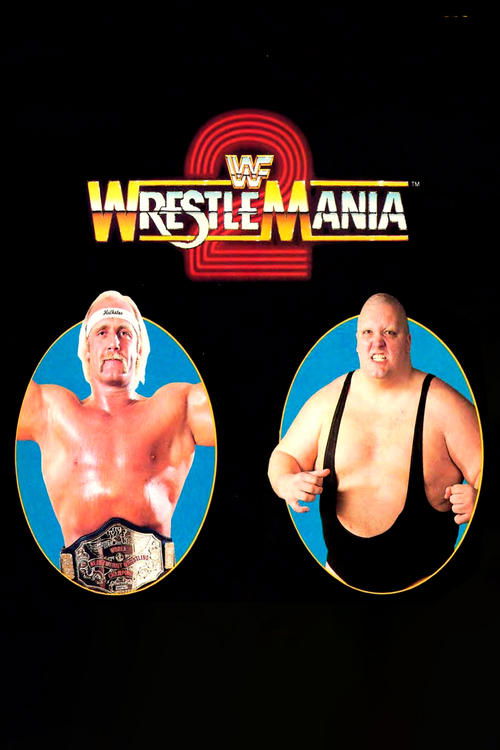
WrestleMania II is a cornerstone of sports entertainment, built on traditional moral binaries and character archetypes. The production emphasizes the 'hero vs. villain' formula, reinforcing established social norms without challenging them. While the cast includes a range of ethnic diversity that was progressive for the mid-1980s, the event remains deeply traditional. The lack of gender diversity and the absence of LGBTQ+ or disability-focused narratives define its social framework. Ultimately, the event celebrates a capitalistic, traditional model of entertainment. It focuses on mainstream pop-culture values and physical dominance without addressing broader social issues.
Category Breakdown
The production does not include any LGBTQ+ characters or non-traditional gender expressions. It follows traditional gender roles and straight relationships.
The story focuses mainly on male dominance and physical strength. It emphasizes traditional gender roles through a competition where only men compete.
The cast includes performers from various ethnic backgrounds, such as Junkyard Dog. However, these characters often fit into established, persona-driven roles rather than challenging Anglo-centric norms.
The event promotes traditional heroism and clear moral boundaries. It celebrates mainstream pop-culture values without questioning Western institutions.
There are no characters with visible or invisible disabilities portrayed with significant roles. The focus remains on able-bodied athletic performance.
Present on Screen
Limited or Absent
Official Synopsis
Mr. T vs. Roddy Piper in a Boxing match Battle Royal featuring superstars and athletes from the WWF and NFL Hulk Hogan (c) vs. King Kong Bundy in a Steel Cage match for the WWF Championship
1987
1985
1994
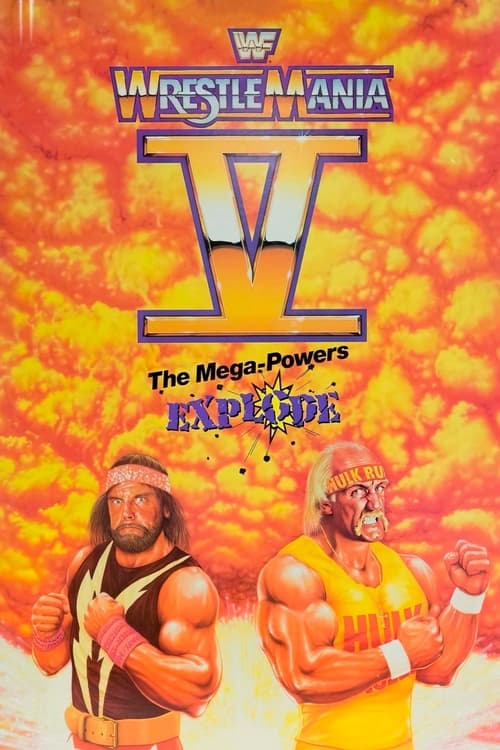
1989
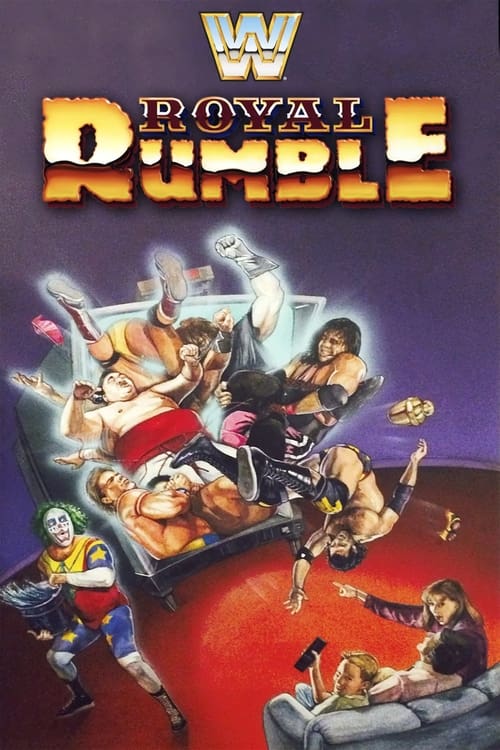
1994
1998
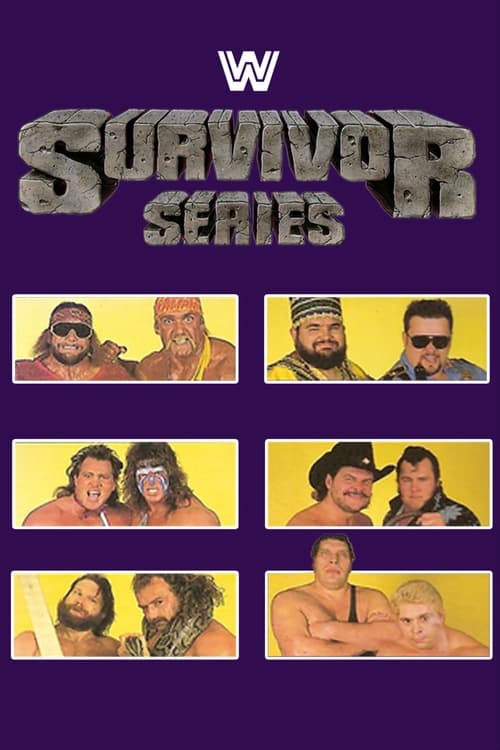
1988
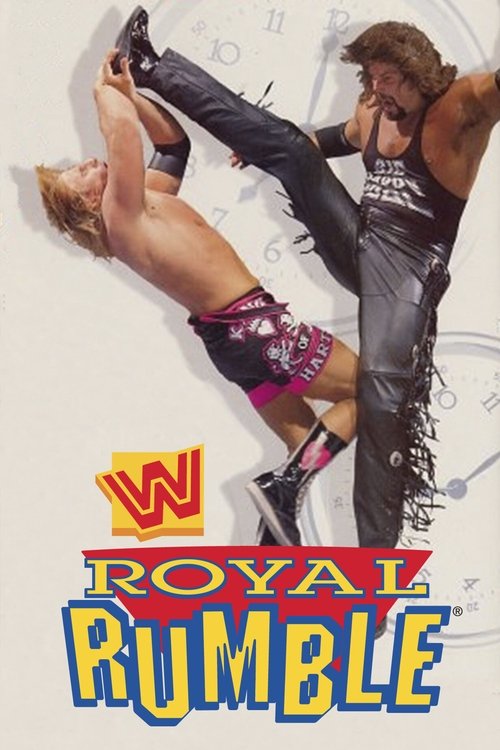
1996
No reviews yet. Be the first to share your thoughts on this movie!
Use the rating form above to leave a star rating and optional review.