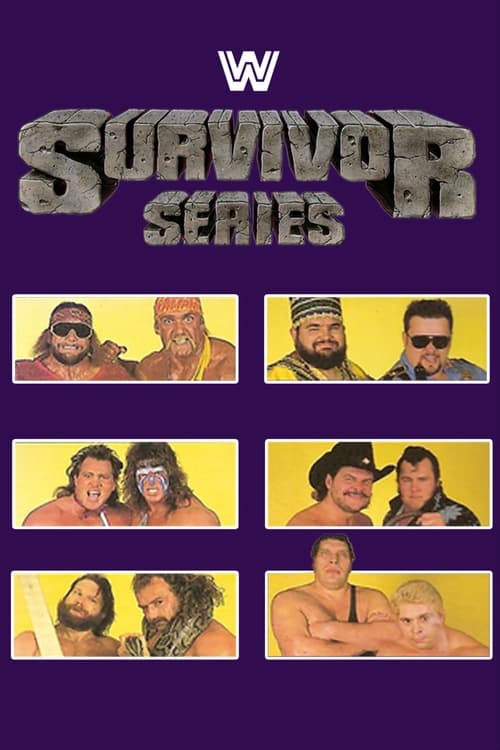
WWE Survivor Series 1988
1988
No user ratings available yet
Representation score: 1.6 out of 10
Representation Score
Limited
1989
TV-PGDirector
Vince McMahon
Runtime
219 minutes
Average Rating
No ratings yetNew Showbiz Analysis
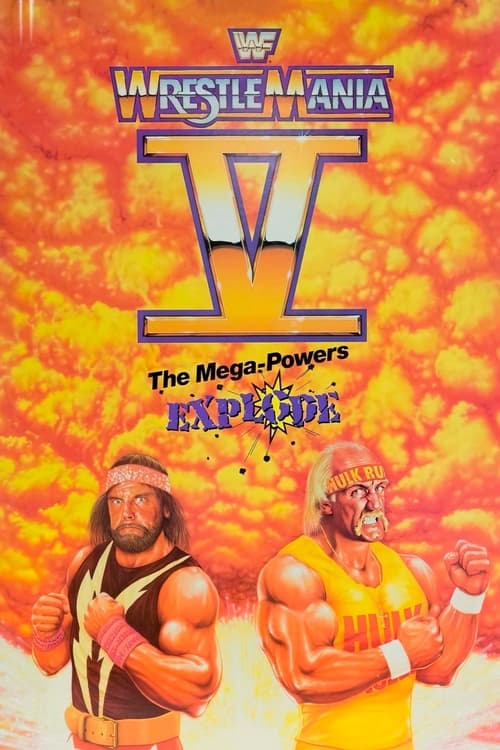
WrestleMania V is a spectacle of physical dominance built around a binary of heroes and villains. This structure emphasizes traditional masculine archetypes and clear moral distinctions over diverse perspectives. The production reflects the social constraints of 1989, highlighting physical prowess and traditional hierarchies. Ultimately, the event lacks representation for LGBTQ+ identities, disabilities, or gender parity, focusing instead on a homogeneous presentation of athletic masculinity.
Category Breakdown
The event focuses solely on male athletes in scripted physical competition. There are no characters or stories that address LGBTQ+ identities.
The story centers almost entirely on male physicality and competition. Women appear only in minor roles and have little influence on the plot.
The roster includes performers from various ethnic backgrounds, such as The Hart Foundation. However, representation often follows established character clichés.
The event celebrates Western values of individual triumph and physical meritocracy. It upholds traditional capitalist entertainment structures without challenging them.
There is no representation of visible or invisible disabilities. The focus is strictly on peak physical conditioning and traditional bodily capabilities.
Present on Screen
Limited or Absent
Official Synopsis
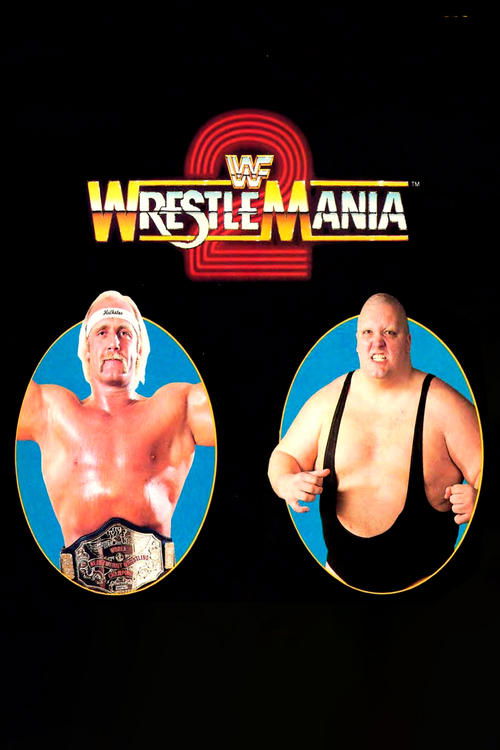
WrestleMania V was the fifth annual WrestleMania professional wrestling pay-per-view event produced by the World Wrestling Federation (WWF). It took place on April 2, 1989 at the Trump Plaza in Atlantic City, New Jersey. The event was commentated by Gorilla Monsoon and Jesse Ventura. The main event was Hulk Hogan versus Randy Savage for the WWF Championship billed "The Mega Powers Explode" which Hogan won after a leg drop. Featured matches on the undercard were Rick Rude versus The Ultimate Warrior for the WWF Intercontinental Championship, The Hart Foundation (Bret Hart and Jim Neidhart) versus Greg Valentine and The Honky Tonk Man and Demolition (Ax and Smash) versus Powers of Pain and Mr. Fuji in a handicap match for the WWF Tag Team Championship.
1988
1985
1994
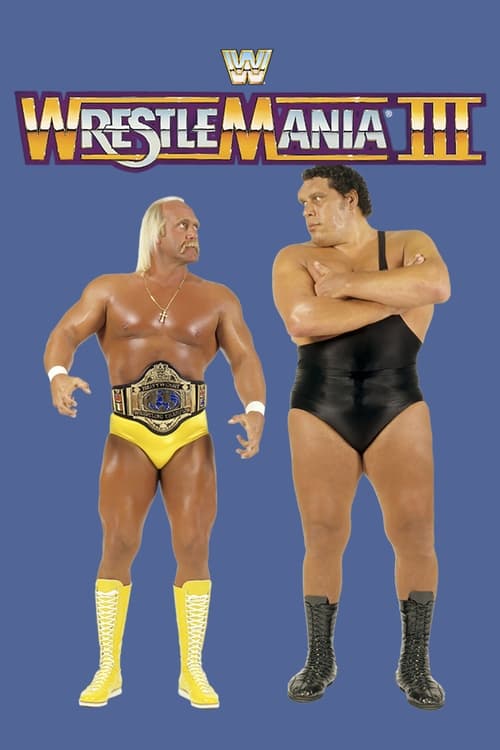
1987
1998
1994
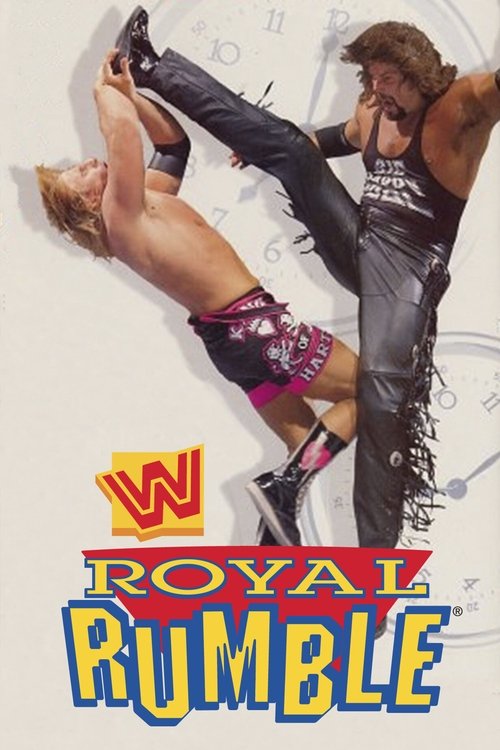
1996
1986
No reviews yet. Be the first to share your thoughts on this movie!
Use the rating form above to leave a star rating and optional review.