WWE WrestleMania IX
1993
No user ratings available yet
Diversity score: 2.3 out of 10
1988
TV-PGDirector
Vince McMahon
Runtime
214 minutes
Average Rating
No ratings yetSynopsis
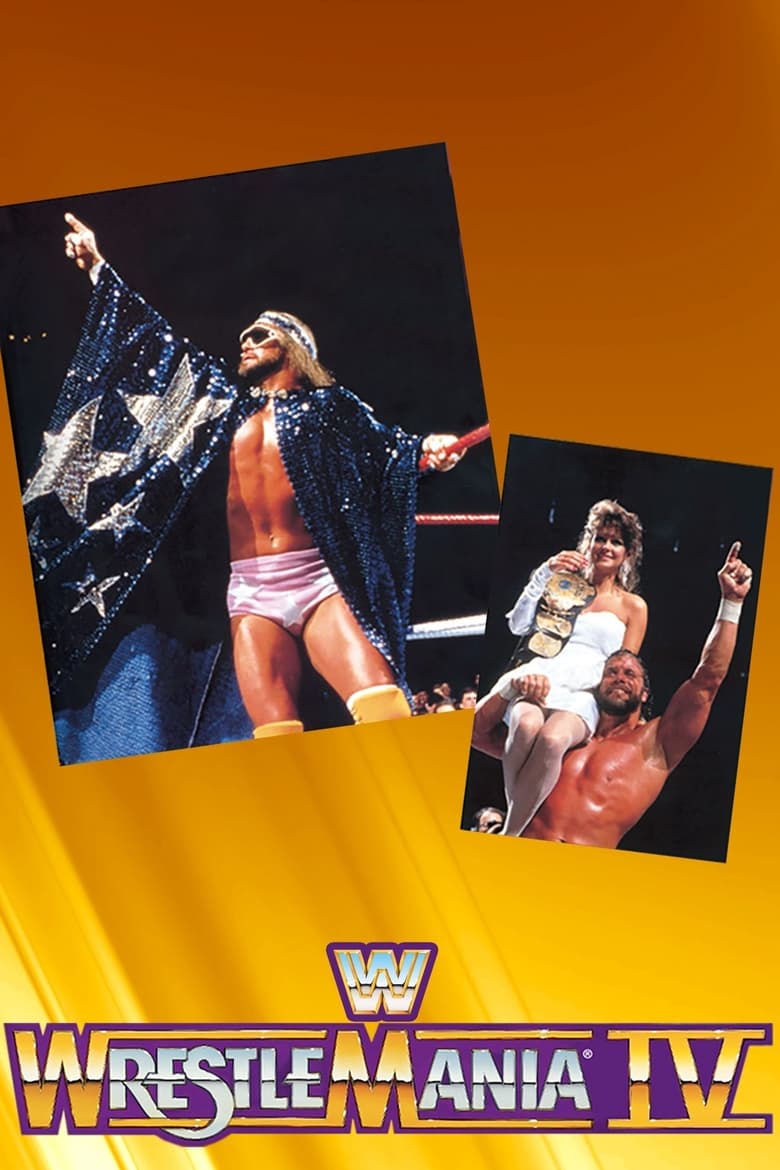
WrestleMania IV was the fourth annual WrestleMania professional wrestling pay-per-view event produced by the World Wrestling Federation (WWF). It took place on March 27, 1988 at the Trump Plaza in Atlantic City, New Jersey. The main event was the finals of a fourteen-man tournament for the undisputed WWF Championship, where Randy Savage defeated Ted DiBiase to win the vacant title. The main matches on the undercard were a twenty-man battle royal won by Bad News Brown, Demolition (Ax and Smash) versus Strike Force (Tito Santana and Rick Martel) for the WWF Tag Team Championship, Brutus Beefcake versus The Honky Tonk Man for the WWF Intercontinental Championship and a 14-man tournament for the vacated WWF Championship.
Overall Score
Limited
Category Breakdown
LGBTQ+ Representation
The event contains no visible representation of LGBTQ+ identities or same-sex intimacy. The presentation adheres strictly to conventional gender binaries and 1980s social norms.
Gender Representation
The roster is overwhelmingly male-centric, focusing on masculine archetypes of strength. Women are not featured in the primary tournament or the core championship matches.
Racial & Ethnic Diversity
Moderate racial diversity exists through performers like Tito Santana and Bad News Brown. However, the narrative framework remains centered on a predominantly Anglo-centric structure.
Religious & Cultural Diversity
The event reinforces traditional Western values through hyper-capitalist competition. It celebrates the established order of sporting spectacle without offering anti-establishment critiques.
Disability Representation
There is no discernible representation of physical or neurodivergent disabilities. Performers are presented solely through a lens of idealized physical capability.
Strengths
Areas for Improvement
AI Analysis
WrestleMania IV functions as a traditionalist spectacle that prioritizes established hierarchies and conventional social structures. The production reflects the cultural landscape of the late 1980s, emphasizing individualistic physical prowess and meritocratic victory. The event lacks intersectional complexity, adhering to mainstream norms of the era. While some ethnic variety is present in the roster, the overarching narrative remains centered on traditionalist views of success and dominance. Ultimately, the broadcast serves as a celebration of the established sporting order rather than a platform for diverse or subversive identities.
1993

1994
1989

1987
1995
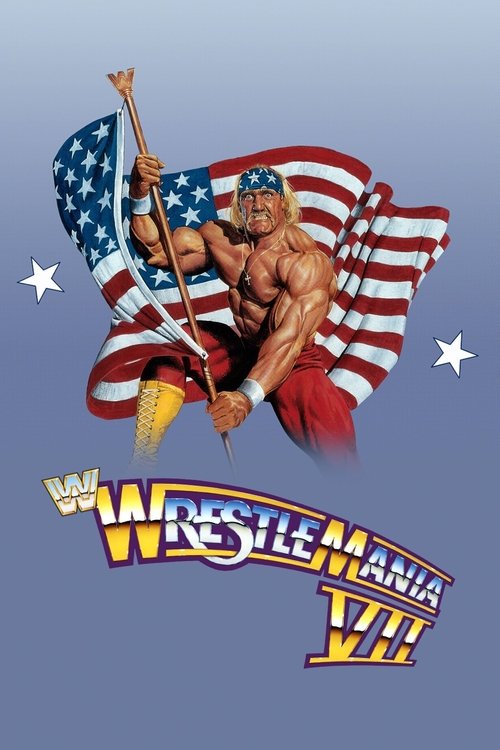
1991
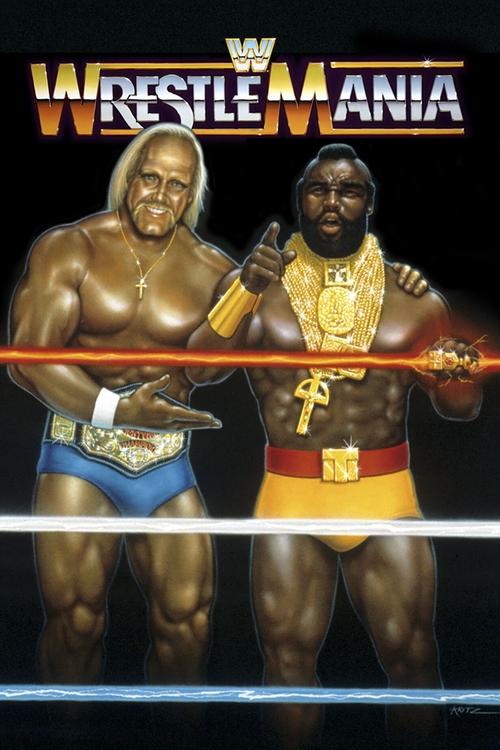
1985

1986
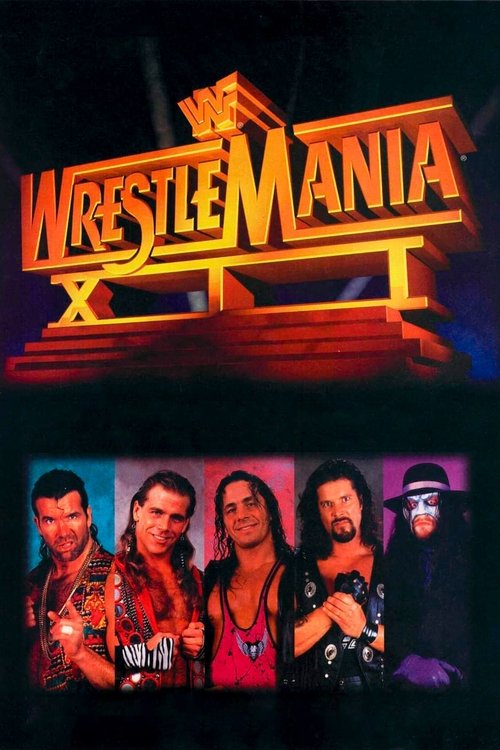
1996
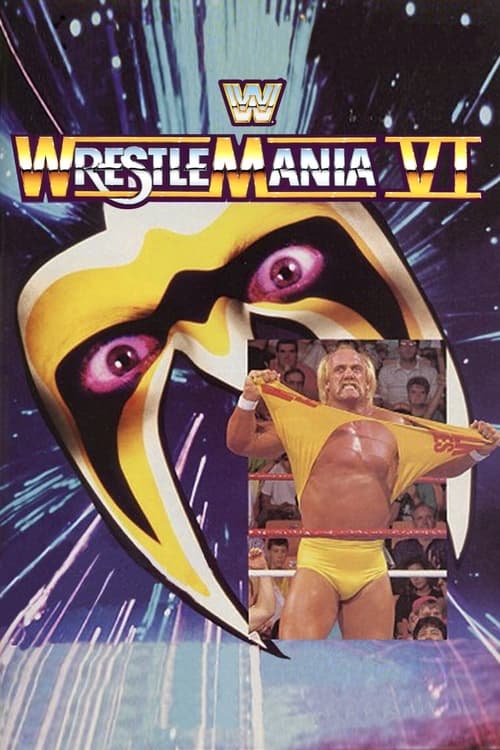
1990
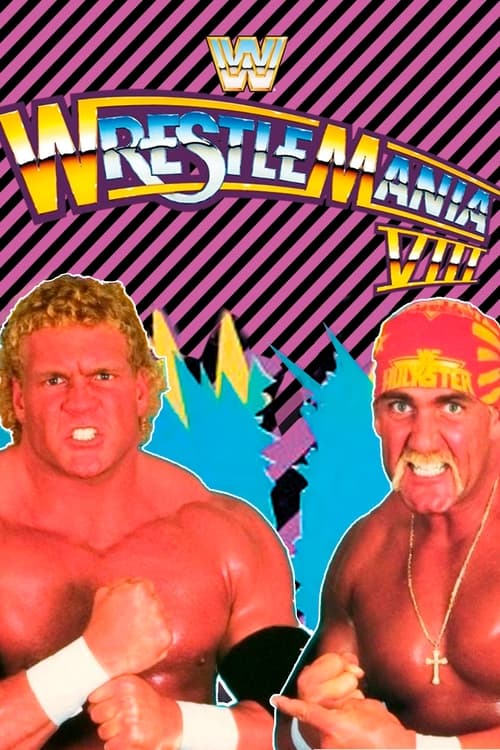
1992

1998
No reviews yet. Be the first to share your thoughts on this movie!
Use the rating form above to leave a star rating and optional review.