
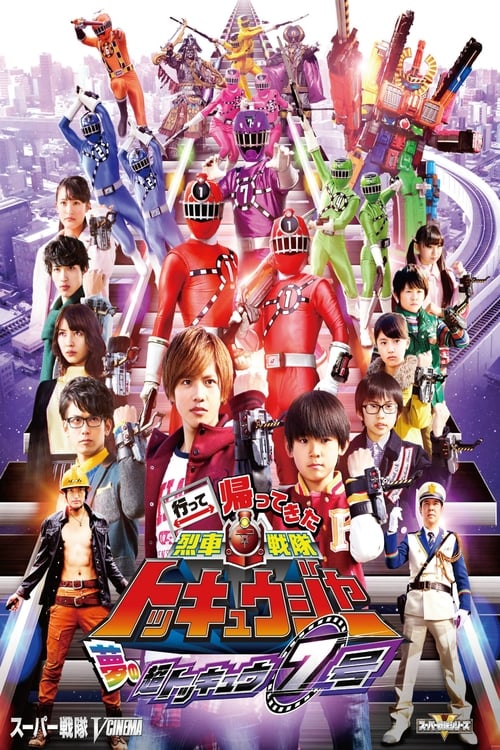
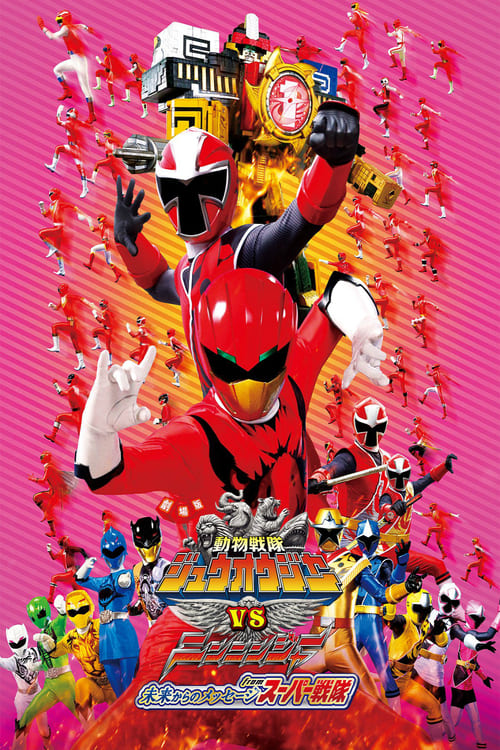
Ressha Sentai ToQger vs. Kyoryuger: The Movie
2015
No user ratings available yet
Representation score: 3.7 out of 10
Representation Score
Limited
2015
Director
Fumie Arakawa
Runtime
53 minutes
Average Rating
No ratings yetNew Showbiz Analysis
This sequel explores the transition from adolescence to adulthood through the 'Imagination' concept. It operates within the established Super Sentai framework, prioritizing genre-specific clichés and collective heroism over social disruption. The production maintains a traditional approach to character dynamics and demographic representation. It emphasizes teamwork and moral clarity, which limits the exploration of non-traditional identities. Ultimately, the film functions as a genre-specific installment that reinforces existing heroic archetypes rather than challenging social or cultural hierarchies.
Category Breakdown
The film follows typical tokusatsu conventions, focusing on platonic friendships and team unity. There is no indication of queer romantic undertones or non-straight identities.
The story uses a traditional ensemble setup and classic heroic roles. It reinforces established gender roles within the action-adventure genre without challenging gender hierarchies.
As a domestic Japanese production, the cast is ethnically uniform. The narrative does not explore multi-ethnic diversity or multicultural casting.
Themes revolve around imagination versus darkness as metaphors for hope. The film adheres to traditional moral structures without delving into complex institutional critiques.
Characters' inability to transform is used as a plot device rather than a nuanced exploration of disability. They are shown as victims of lost power.
Present on Screen
Limited or Absent
Official Synopsis
The year is 2025, 10 years after the fight against Z. The ToQgers are all grown up and have now entered life. But one day, the Shadow Line reappears and the fight must resume. Right and his friends try to repel them but they can’t transform because they lack imagination. Fortunately for them, a mysterious purple warrior appears to save them. Will they be able to defeat the Evil Army Shadow Line once and for all? Will they find the ultimate imagination?
2015
1993
2014
1995

2017
2019
2017
2016
No reviews yet. Be the first to share your thoughts on this movie!
Use the rating form above to leave a star rating and optional review.