Les 4 saisons d'Espigoule
1999
No user ratings available yet
Representation score: 2.7 out of 10
Representation Score
Fair
2003
Director
Viktor Kossakovsky
Runtime
82 minutes
Average Rating
No ratings yetNew Showbiz Analysis
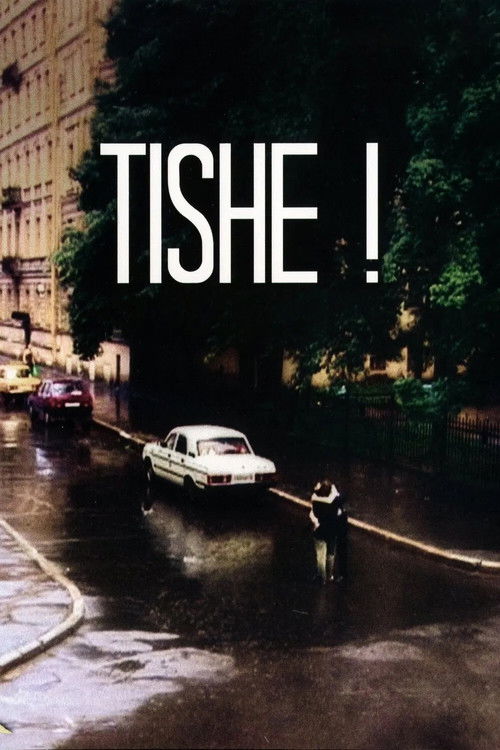
Viktor Kossakovsky’s documentary functions as a temporal study of urban evolution. By documenting a single street in St. Petersburg over a year, the film shifts focus away from monumental historical events toward the collective movements of a populace. While the film does not engage in overt identity politics, its observational minimalism serves as a subtle disruption of traditional, hierarchical storytelling. It elevates the mundane and the systemic over the 'extraordinary' subjects typically found in mainstream cinema. Ultimately, the work provides a democratic view of humanity. It succeeds in capturing the ambient rhythms of life, though it lacks the intentionality required to address specific social or identity-driven narratives directly.
Category Breakdown
The film lacks explicit LGBTQ+ narratives or characters. It maintains a neutral stance, avoiding straight-centered assumptions and not engaging in specific queer storytelling.
By avoiding a singular patriarchal focus, the film offers a non-hierarchical view of the urban environment. It does not subvert traditional gender roles but remains inclusive.
The documentary captures the organic demographic reality of St. Petersburg. It features a diverse array of incidental characters rather than the curated, homogeneous casts seen in scripted dramas.
The film prioritizes everyday experiences over state-sanctioned patriotism. It focuses on small, street-level changes rather than grand city celebrations.
There is no evidence of character-driven disability narratives. The film avoids using disability as a plot device or centering it as a form of inspiration porn.
Present on Screen
Limited or Absent
Official Synopsis
The director films the street where he lives in St. Petersburg, for a whole year, documenting the changes caused by the celebration of its 300th anniversary.
1999

1929

1997

2015
1989
1978

2003
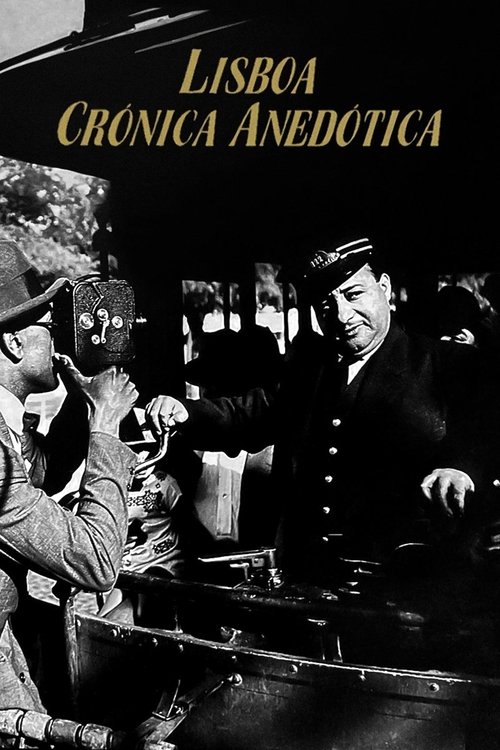
1930
No reviews yet. Be the first to share your thoughts on this movie!
Use the rating form above to leave a star rating and optional review.