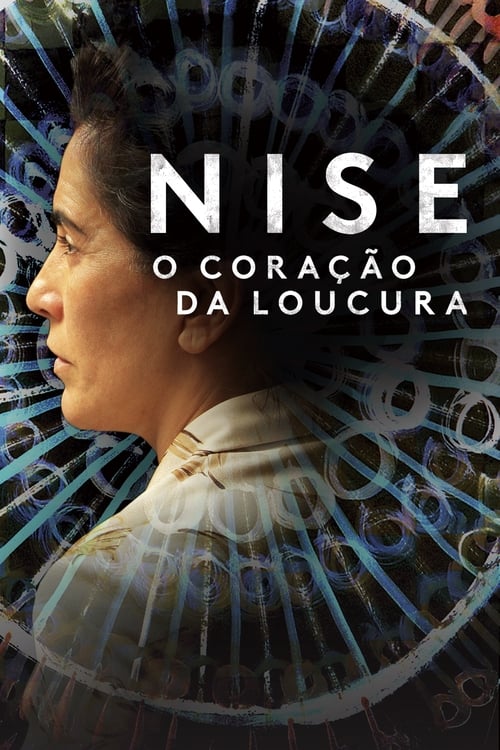
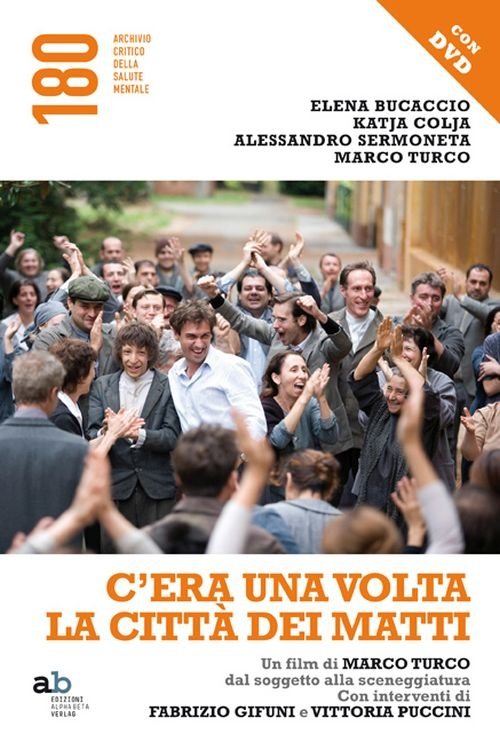
Nise: The Heart of Madness
2016
No user ratings available yet
Representation score: 8.1 out of 10
Representation Score
Excellent
2010
Director
Marco Turco
Runtime
200 minutes
Average Rating
No ratings yetNew Showbiz Analysis
Marco Turco’s biopic succeeds by shifting the cinematic lens from medical observation to human rights. By centering on Franco Basaglia, the film moves beyond a simple character study to critique the dehumanizing nature of psychiatric institutions. The strength of the film lies in its thematic depth. It elevates the voices of those traditionally relegated to passivity, treating the mentally ill as subjects with ability to act rather than mere objects of clinical study. While the historical setting limits modern demographic diversity, the film compensates through its rigorous examination of systemic oppression. It effectively uses the struggle for psychiatric reform to explore broader questions of social exclusion and institutional power.
Category Breakdown
The film doesn't focus heavily on LGBTQ+ identities, which appear secondary to the main political and medical narratives. It reflects the period-specific context of the biopic.
The story challenges patriarchal structures by highlighting a professional struggle against rigid authority. It emphasizes intellectual ability to act and the subversion of established medical hierarchies.
Reflecting the demographic homogeneity of mid-20th-century Italy, the cast likely lacks modern racial diversity. However, the film uses the mentally ill as a proxy for exploring social exclusion.
The narrative critiques traditional Western institutions and carceral logic. It frames the dismantling of oppressive systems as a necessary step to restore human dignity.
The film grants a significant role in driving the story to neurodivergent and mentally ill characters. It avoids pity-based clichés, focusing instead on systemic failures and the rights of those with psychiatric disabilities.
Present on Screen
Limited or Absent
Official Synopsis
A biopic of Franco Basaglia, the Italian psychiatrist.
2016
2014
2017
2010
1990
2014

2008
1995
No reviews yet. Be the first to share your thoughts on this movie!
Use the rating form above to leave a star rating and optional review.