
Once Upon a Time the City of Fools
2010
No user ratings available yet
Representation score: 8.1 out of 10
Representation Score
Fair
1990
PG-13Director
John Kent Harrison
Runtime
105 minutes
Average Rating
No ratings yetNew Showbiz Analysis
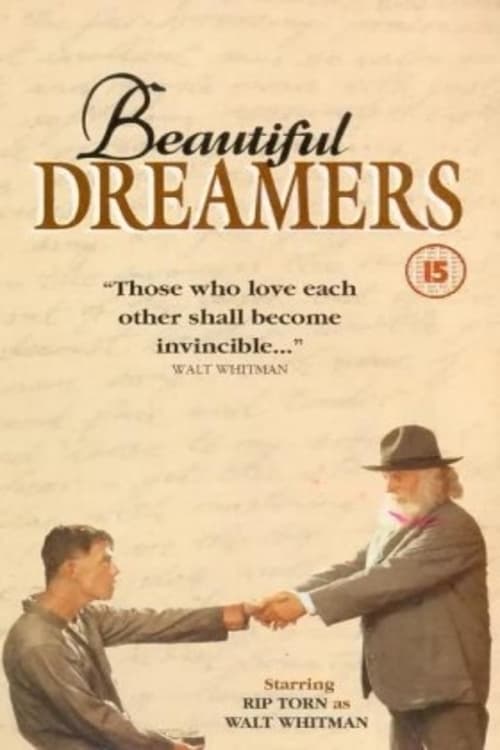
Beautiful Dreamers is a character-driven historical drama that shines in its compassionate exploration of mental health. By focusing on the reform of psychiatric treatment, the film offers a nuanced and respectful depiction of neurodivergence. However, it remains confined by its historical context and traditional narrative structure. The story centers on male intellectualism, leaving female characters with limited influence and offering little racial diversity among the professional figures depicted. Additionally, while Walt Whitman’s identity adds layers of complexity, the film does not explicitly address LGBTQ+ themes.
Category Breakdown
The film includes Walt Whitman, whose identity adds layers of complexity. However, the story emphasizes the intellectual connection between Bucke and Whitman rather than showing intimate interactions between them.
The story focuses on male-dominated fields of 19th-century medicine and literature. Although Dr. Bucke’s wife is important, her role remains secondary to the central male intellectual exchange.
The film reflects the homogeneous demographics of the 19th-century professional class, lacking diverse representation. The cast is predominantly Anglo-Saxon, limiting the range of backgrounds shown.
The film presents a progressive perspective on mental health by highlighting avant-garde ideas about mental illness. It challenges traditional psychiatric practices through a Western biographical lens.
The film excels in its portrayal of mental health, treating neurodivergence with dignity and respect. It moves away from outdated stereotypes and fears surrounding mental illness.
Present on Screen
Limited or Absent
Official Synopsis
When the superintendent of the Canadian insane asylum, Dr. Maurice Bucke, meets poet Walt Whitman, his life and that of his wife and patients is radically changed. Like Dr. Bucke, Whitman has avant-garde ideas on the subject of mental illness. "Dreamers" is based on true events. Dr. Bucke became an important biographer of Walt Whitman.
2010

2016

1998
1982
2017
1970
1994
1948
No reviews yet. Be the first to share your thoughts on this movie!
Use the rating form above to leave a star rating and optional review.