Pests for Guests
1955
No user ratings available yet
Diversity score: 1.5 out of 10
1951
ApprovedDirector
Friz Freleng
Runtime
7 minutes
Average Rating
No ratings yetSynopsis
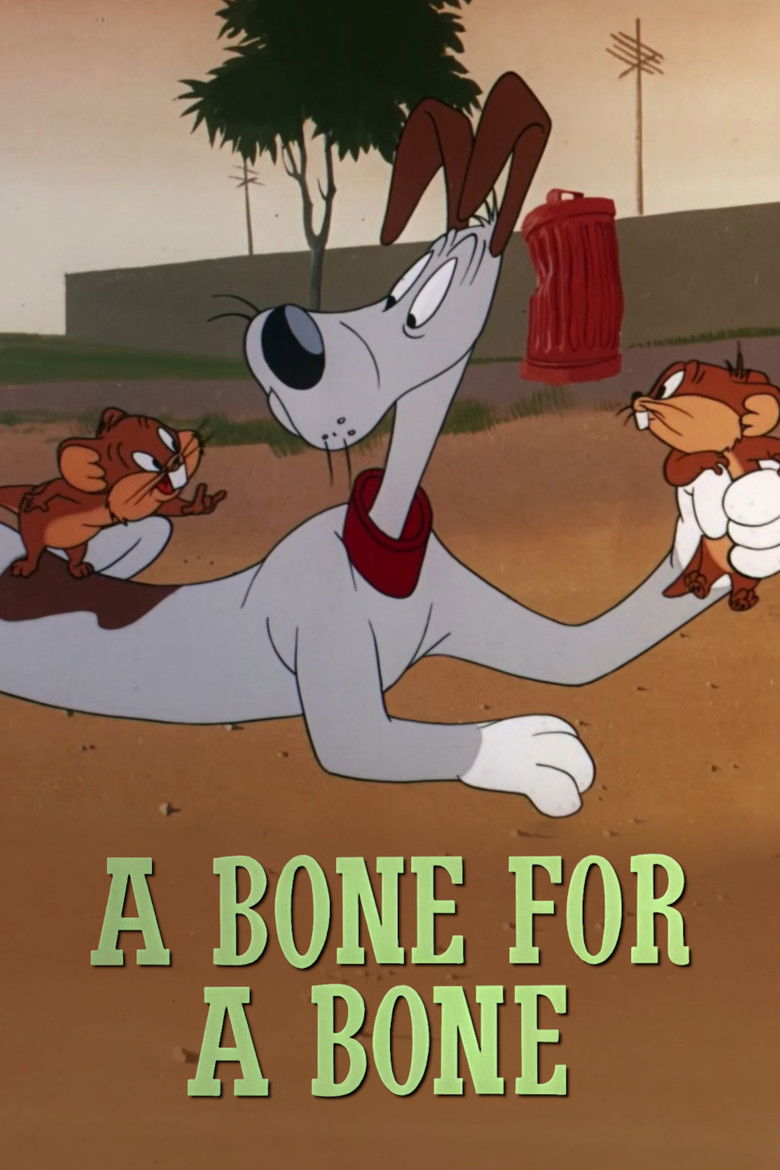
Two polite gophers are in their underground home, playing gin, when a dog buries his bone right on top of them. They try to negotiate with the dog so that he will bury the bone elsewhere. But the dog refuses to be cooperative.
Overall Score
Minimal
Category Breakdown
LGBTQ+ Representation
The film focuses on a territorial dispute between animals. There is no evidence of non-heteronormative identities or queer themes within the narrative.
Gender Representation
The story centers on interspecies conflict between gophers and a dog. It relies on traditional, neutral character archetypes common to 1950s animation.
Racial & Ethnic Diversity
Characters are anthropomorphic animals. There is no indication that these species serve as proxies for racial or ethnic diversity.
Religious & Cultural Diversity
The setting depicts a conventional domestic environment. The gophers' polite behavior reinforces traditional social decorum and standard mid-century social structures.
Disability Representation
The conflict is purely situational and environmental. No characters are shown navigating physical, sensory, or neurodivergent experiences.
Strengths
Areas for Improvement
AI Analysis
A Bone for a Bone is a classic mid-century animated short that prioritizes slapstick comedy and situational conflict over social representation. The narrative follows a standard loop of domestic disruption and failed negotiation between gophers and a dog. Because the characters are anthropomorphic animals, the film lacks human-centric diversity markers. It adheres to the comedic tropes of the 1950s, focusing on rhythmic timing and physical humor rather than deconstructing social hierarchies or exploring intersectional identities. Ultimately, the work functions as a technical exercise in comedic timing. It remains within the bounds of traditional animation archetypes, offering little in the way of cultural or identity-based depth.
1955

1950
1965
1951
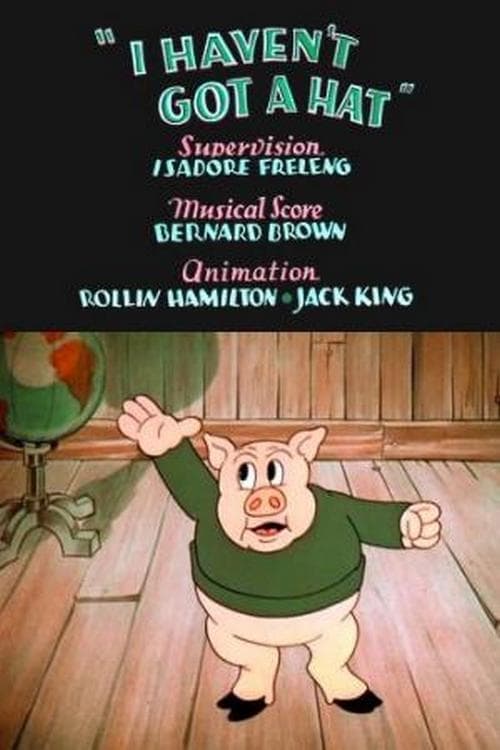
1935
1935
1965
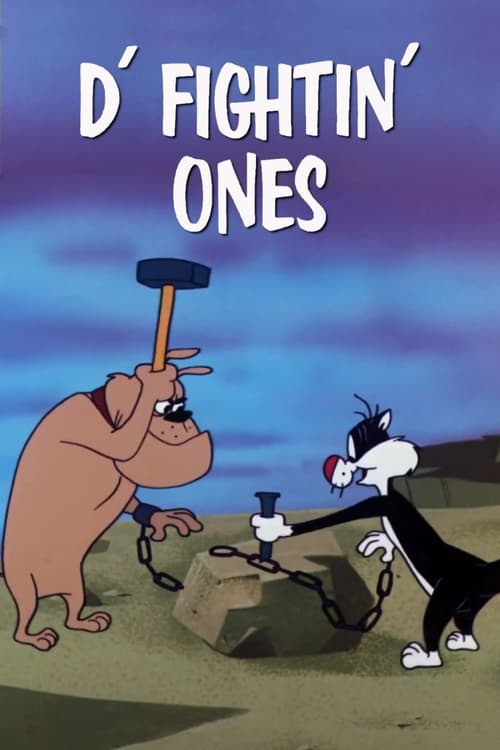
1961
1965
1955

1949
1946
No reviews yet. Be the first to share your thoughts on this movie!
Use the rating form above to leave a star rating and optional review.