
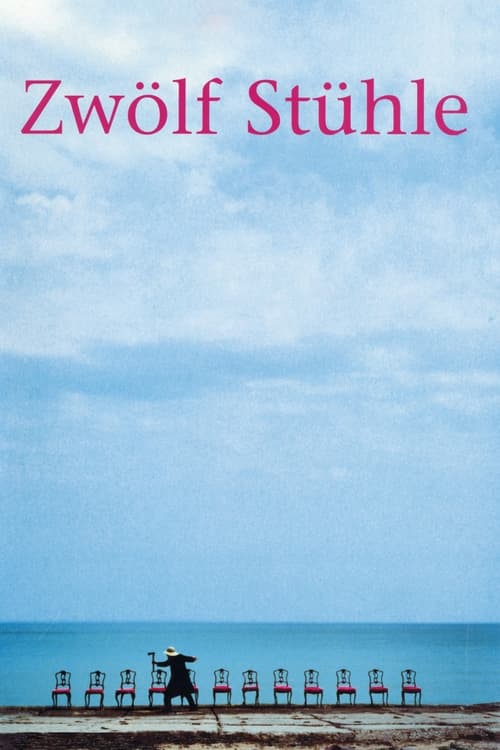
The Twelve Chairs
1933
No user ratings available yet
Representation score: 5.0 out of 10
Representation Score
Fair
2004
Director
Ulrike Ottinger
Runtime
198 minutes
Average Rating
No ratings yetNew Showbiz Analysis
Ulrike Ottinger’s direction suggests a surrealist approach that likely challenges traditional storytelling conventions. The film’s strength lies in its expansive geographic scope and its potential to deconstruct social status through a chaotic, non-linear journey. However, the film emphasizes male-driven ability to act and lacks explicit representation of LGBTQ+ identities or disability. The narrative structure prioritizes an individualistic pursuit of wealth over diverse communal perspectives. Overall, the work serves as a critique of established social structures rather than a showcase for modern identity politics, resulting in a moderate diversity profile.
Category Breakdown
The film does not explicitly depict LGBTQ+ identities or same-sex relationships. The main storyline focuses on the interactions between a nobleman, a conman, and a priest.
Male characters such as Worobjaninow and Bender play key roles in the story. Although a female aristocrat sets the plot in motion, the central chase revolves around male characters.
The extensive journey across different regions hints at a diverse cast of characters. However, there are no specific details about the ethnic makeup of the cast.
The film explores moral relativism through characters like a priest and a conman. Its chaotic, episodic structure seems to satirize traditional institutions.
There is no indication of characters with visible or invisible disabilities in the provided narrative context.
Present on Screen
Limited or Absent
Official Synopsis
...Her son-in-law, Ippolit Matwejewitch Worobjaninow, is a former nobleman and a dandy who is currently wasting away as a small town magistrate in charge of civil marriages. He eagerly takes up the quest to find the treasure. Meanwhile, over the years, the twelve chairs have been dispersed all over the country. However, Worobjaninow is not the only one in pursuit of the treasure. Hot on its trail are Ostap Bender, a clever and colorful conman, as well as Father Fjodor, a priest to whom the wealthy aristocrat has also confessed her secret. Thus begins a wild chase that ranges from North to South, West to East, across water and land, from the country to the city.
1933
1971
2023
1974
1962
1970
1969

1971
No reviews yet. Be the first to share your thoughts on this movie!
Use the rating form above to leave a star rating and optional review.