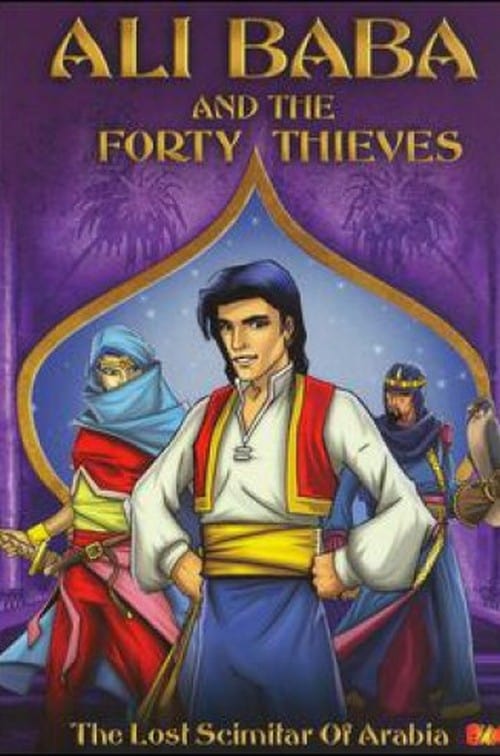
Ali Baba and the Forty Thieves: The Lost Scimitar of Arabia
2005
No user ratings available yet
Representation score: 3.7 out of 10
Representation Score
Fair
1992
Director
Michel Ocelot
Runtime
13 minutes
Average Rating
No ratings yetNew Showbiz Analysis
Michel Ocelot’s work stands out for its visual defiance of Western-centric animation norms. The film uses a stylized, color-blind aesthetic to create a diverse, non-Anglo-Saxon world that feels both mythical and inclusive. However, the film remains tied to traditional narrative frameworks. It relies on standard gender archetypes and lacks representation for LGBTQ+ identities or characters with disabilities, which limits its progressive impact. Ultimately, the film is a triumph of visual plurality. While its social themes are conventional, its refusal to follow the era's standard casting patterns makes it a significant piece of globalized animation.
Category Breakdown
The film follows a traditional fairytale structure and lacks depictions of non-assuming gender matches what was assigned at birth identities or same-sex intimacy, sticking to conventional romantic archetypes.
While using archetypes like the 'pretty princess,' the film challenges traditional masculine dominance by emphasizing the male lead's vulnerability and animal transformations.
The film excels through a kaleidoscopic, stylized aesthetic. It presents a wide variety of skin tones and ethnic aesthetics within a mythical landscape, avoiding homogeneous casting.
The narrative prioritizes magic and subjective morality over rigid dogma. It leans into global storytelling traditions rather than adhering to singular Western moral structures.
There are no explicit depictions of disability or neurodivergence. The protagonist's physical transformations serve as magical plot devices rather than explorations of lived experience.
Present on Screen
Limited or Absent
Official Synopsis
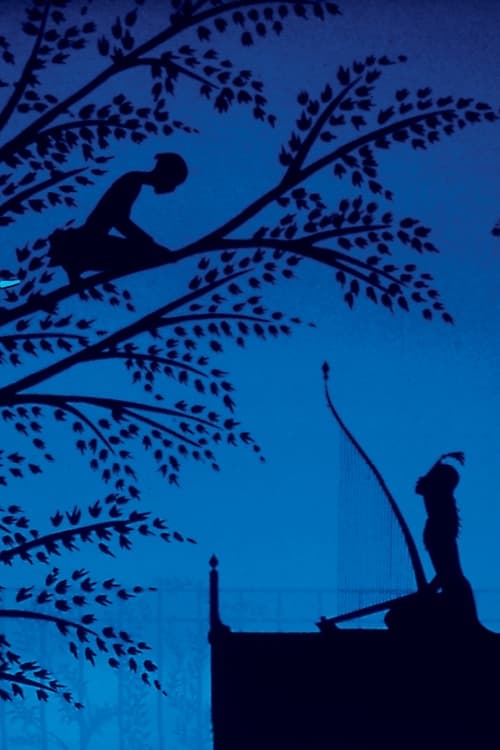
Here we have an innocent boy, a pretty princess, a treacherous merchant and a giant eagle who is fond of jewels. The tale is set in the country of the Arabian Nights, under a hail of precious stones...
2005
2006
1949
1926
1998
1998
2016

2000
No reviews yet. Be the first to share your thoughts on this movie!
Use the rating form above to leave a star rating and optional review.