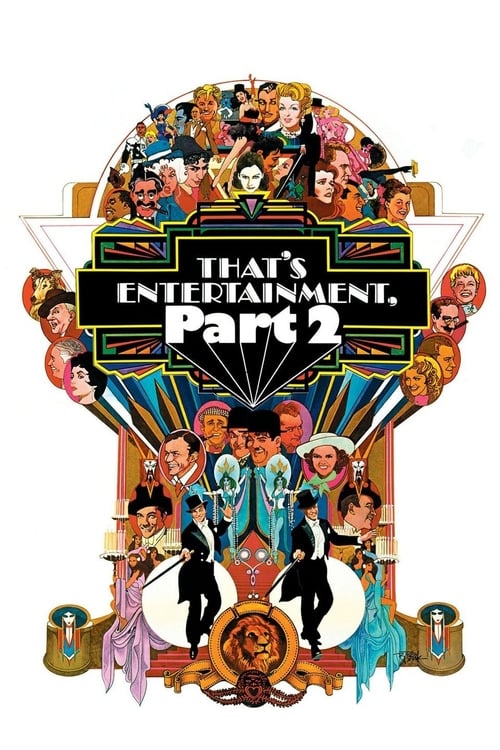
That's Entertainment, Part II
1976
No user ratings available yet
Representation score: 3.2 out of 10

Representation Score
Fair
1994
GDirector
Bud Friedgen, Michael J. Sheridan
Runtime
113 minutes
Average Rating
No ratings yetNew Showbiz Analysis
This documentary serves as a celebratory archival survey of MGM's musical history. Because it relies on existing studio assets, it inherently mirrors the demographic hierarchies and social constraints of the mid-20th century Hollywood studio system. The film functions as a preservation of the 'Golden Age' rather than a progressive social narrative. It documents the era's established archetypes and systemic exclusions without providing a modern, multi-layered lens. Ultimately, the work is a traditionalist historical document. It prioritizes the preservation of studio legacy over the exploration of diverse or subversive identities.
Category Breakdown
The film reflects an era of strict censorship and assumptions that everyone is straight or cisgender. While archival footage may have camp aesthetics, the documentary does not explicitly focus on or analyze LGBTQ+ identities.
The star system emphasizes traditional gender roles through archetypes like the ingenue or glamour icon. Female performers receive significant screen time, but the film does not challenge established gender hierarchies.
Content reflects the demographic exclusions of the early-to-mid 20th century. The footage is predominantly Anglo-Saxon, presenting performers of color within the context of the historical studio system.
This documentary celebrates the legacy of the American studio system and Western cinematic tradition. It maintains a nostalgic tone that lacks a critical framework to deconstruct historical power dynamics.
The film focuses on the high-gloss, able-bodied performance standards of the Hollywood musical era. There is no evidence of intentional representation of neurodivergent or physically disabled performers.
Present on Screen
Limited or Absent
Official Synopsis
Some of MGM's musical stars review the studio's history of musicals. From The Hollywood Revue of 1929 to Brigadoon, from the first musical talkies to Gene Kelly in Singin' in the Rain.
1976

2024
1942
1985
1974

2007
1997
1993
No reviews yet. Be the first to share your thoughts on this movie!
Use the rating form above to leave a star rating and optional review.