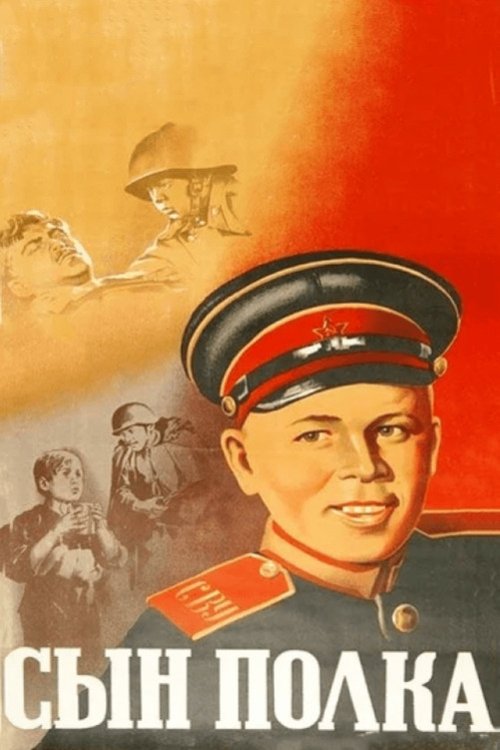
Son of the Regiment
1946
No user ratings available yet
Diversity score: 1.7 out of 10
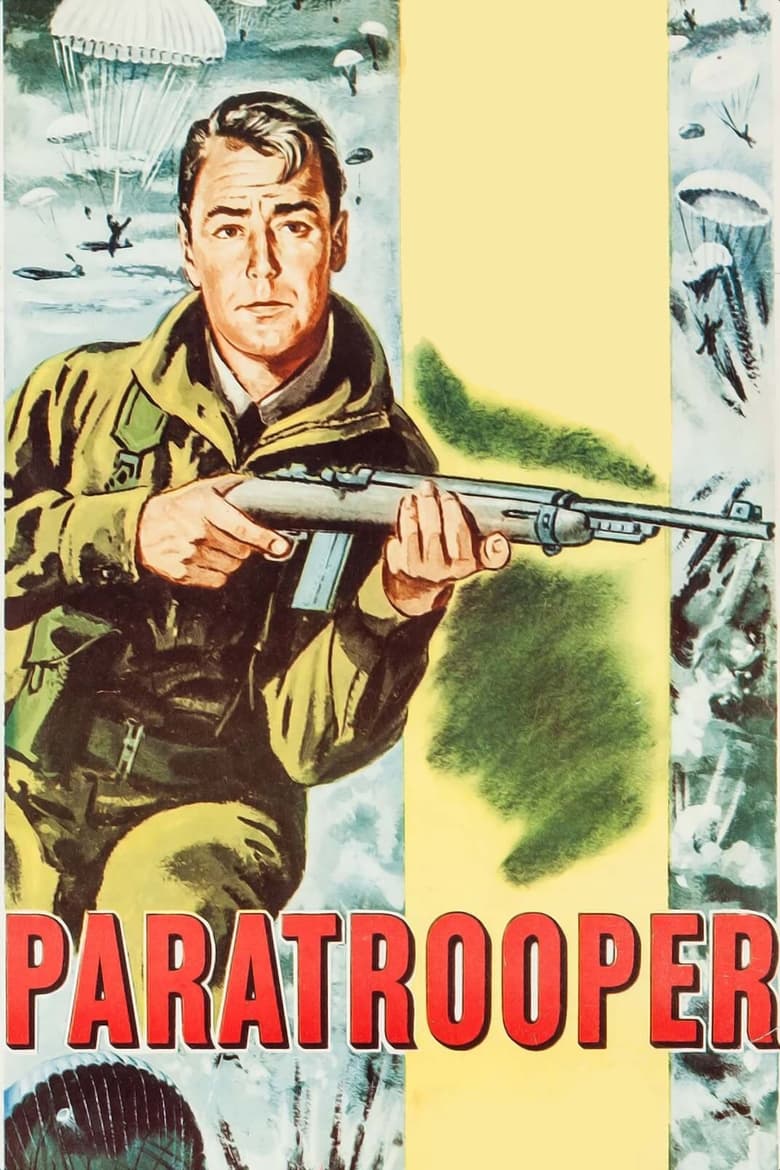
1953
NRDirector
Terence Young
Runtime
88 minutes
Average Rating
No ratings yetSynopsis
Steve MacKendrick resigns from the US Army after causing the needless death of a fellow officer. Wanting to serve in the war, he enlists as a Canadian in the British 1st Parachute Brigade. He proves himself exceptionally skilled for a recruit, arousing the suspicion of his commanding officer who starts an investigation. He redeems himself during combat. The film was titled "Paratrooper" in the US.
Overall Score
Minimal
Category Breakdown
LGBTQ+ Representation
The film follows a strictly heteronormative structure centered on male military camaraderie. It omits non-cisnormative identities entirely, adhering to the social standards of the 1950s.
Gender Representation
The narrative focuses exclusively on male soldiers and their professional redemption. It lacks female agency, reinforcing traditional gender hierarchies through a singular focus on masculine leadership and combat.
Racial & Ethnic Diversity
The story prioritizes a Western military viewpoint, featuring primarily white British and Commonwealth soldiers. North African characters appear mainly as opposing forces or part of the local landscape.
Religious & Cultural Diversity
The film emphasizes Western institutionalism, patriotism, and colonial authority. It portrays the maintenance of order through the lens of British military values and duty.
Disability Representation
There is no representation of physical or neurodivergent disabilities. Characters are defined solely by their military utility and combat readiness.
Strengths
Areas for Improvement
AI Analysis
The Red Beret is a traditional 1950s military drama that reinforces the social and institutional hierarchies of its era. The narrative is built around a homogeneous perspective of duty, focusing on the redemption of a single soldier within a Western military framework. Because the film functions to validate military discipline and colonial-era authority, it offers almost no disruption of conventional norms. The lack of intersectional depth results in a narrow portrayal of the human experience during wartime. Ultimately, the film serves as a product of its historical context, prioritizing the values of the British military over diverse or subversive storytelling.
1946
1963
1943
1957
1969

1944
1958
1942

1958
1951
1944
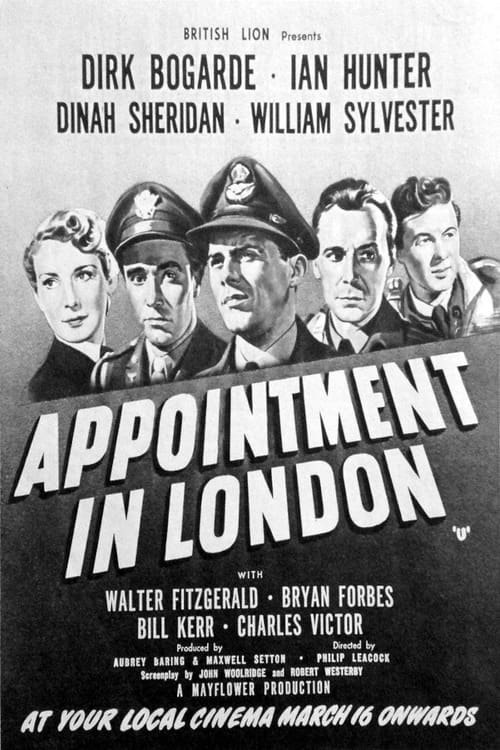
1953
No reviews yet. Be the first to share your thoughts on this movie!
Use the rating form above to leave a star rating and optional review.