Night of the Eagles
1989
No user ratings available yet
Representation score: 3.9 out of 10
Representation Score
Minimal
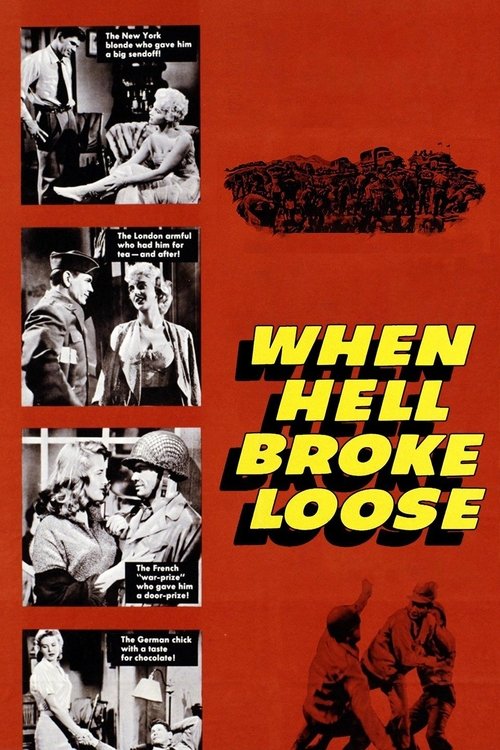
1958
ApprovedDirector
Kenneth G. Crane
Runtime
78 minutes
Average Rating
No ratings yetNew Showbiz Analysis
When Hell Broke Loose is a quintessential product of its era, adhering to the conventional storytelling standards of the late 1950s. The narrative emphasizes traditional military hierarchies and a binary view of wartime conflict, offering little in the way of social disruption. The film relies on established clichés, centering its drama on a heterosexual romance and a male-driven plot. While the female lead provides essential plot momentum, the primary ability to act remains with the male characters and military institutions. Ultimately, the work lacks depth in representing multiple aspects of identity, presenting a narrow, Western-centric perspective that reinforces the social and cultural norms prevalent in mid-century war dramas.
Category Breakdown
The film does not depict any LGBTQ+ identities or same-sex relationships. The central romance is between Steve Boland and Ilsa, following traditional heterosexual norms.
The story is dominated by a male-centric framework. While Ilsa plays a crucial role providing intelligence, her involvement is largely reactive, serving as a link between the male leads and military authorities.
The cast is predominantly white, typical of 1950s Western war films. The narrative focuses on a binary Allied versus Axis conflict without incorporating diverse ethnic backgrounds.
The film upholds traditional Western values and military structures. It portrays the defense of Allied interests and the neutralization of Nazi assassins without moral ambiguity.
There are no visible or invisible disabilities depicted in the film. No characters are shown with physical, mental, or neurodivergent conditions.
Present on Screen
Limited or Absent
Official Synopsis
Near the end of the war in Germany, GI Steve Boland, a self-described "sharp-operator", meets a German girl, Ilsa, and they fall in love. Ilsa's brother Karl, whom she has not seen in three years, and his fellow Nazi Ludwig visit Ilsa. Karl proudly informs her that he and Ludwig are "Werewolves", a group of Nazi assassins parachuted behind Allied lines for the purpose of killing Allied High Command officers. She and Steve go to Army Intelligence with their information, where Steve is immediately arrested for being A.W.O.L. Captain Melton of Army G-2 intervenes on Steve's behalf, as G-2 has had a suspicion about the existence of the "Werewolves" but no concrete info before now.
1989
1966
1959

1969
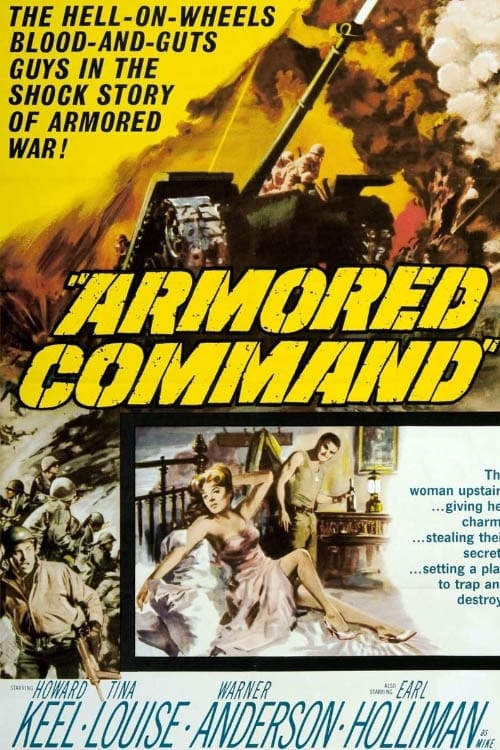
1961
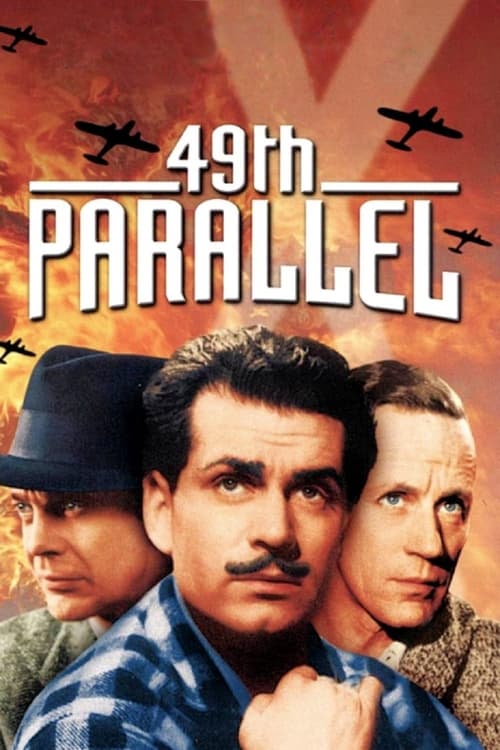
1941
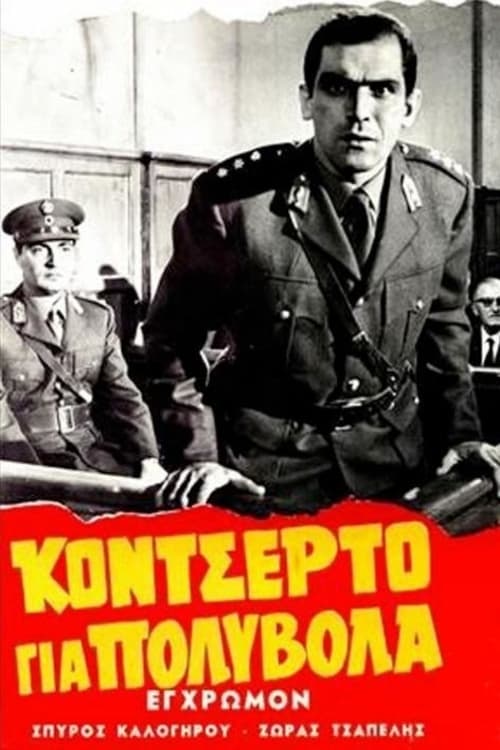
1967
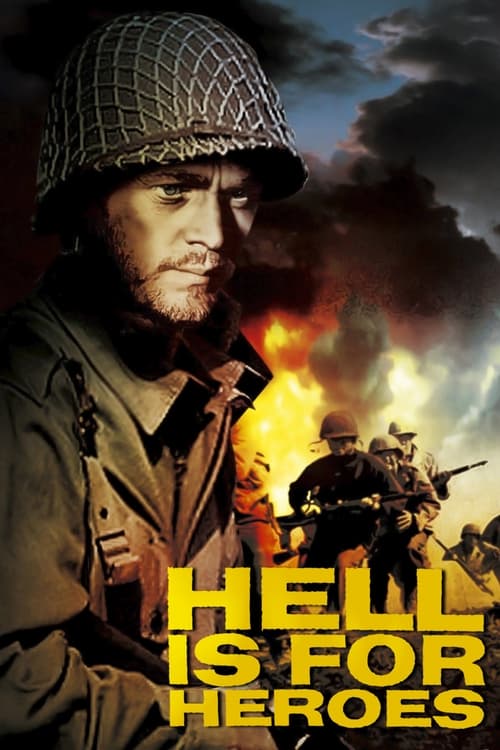
1962
No reviews yet. Be the first to share your thoughts on this movie!
Use the rating form above to leave a star rating and optional review.