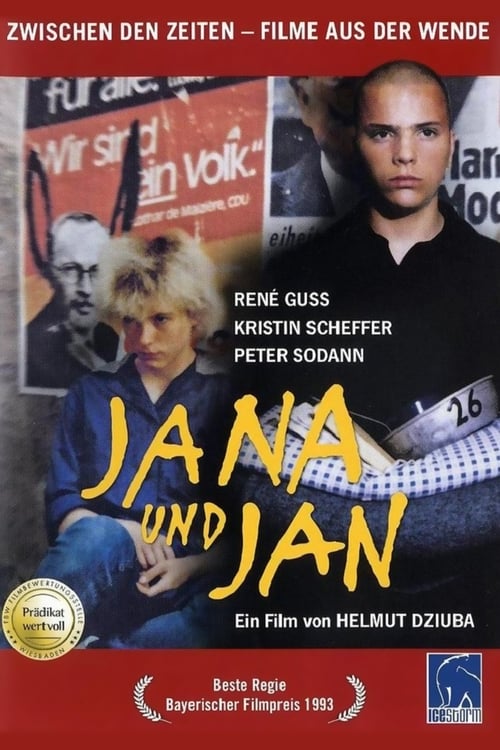
Jana and Jan
1992
No user ratings available yet
Representation score: 4.4 out of 10
Representation Score
Limited
2020
Director
Lars Jessen, Jan Georg Schütte
Runtime
88 minutes
Average Rating
No ratings yetNew Showbiz Analysis
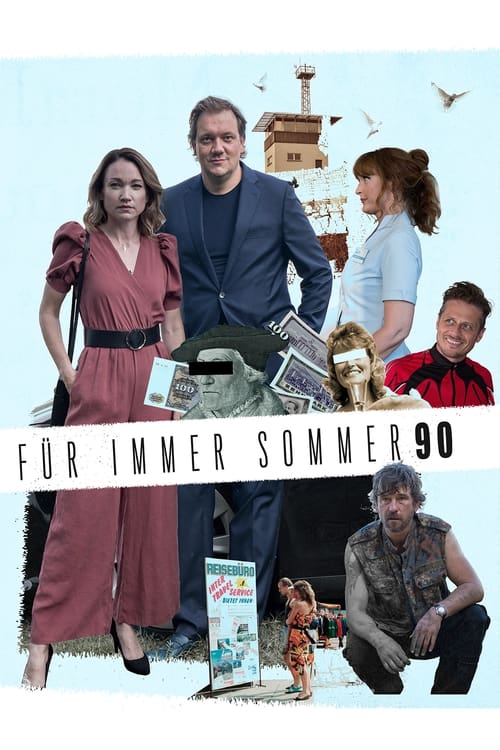
Für immer Sommer 90 operates as a period-specific sociological study of the German reunification. It prioritizes historical realism, which results in a demographic that reflects the specific, homogeneous reality of 1990 East Germany. While the film lacks diverse representation regarding race and LGBTQ+ identities, it succeeds in providing a sophisticated critique of institutional stability. It avoids a monolithic view of history, instead focusing on the disorientation caused by systemic collapse. The narrative's strength lies in its nuanced portrayal of social friction during a massive political transition, even if it adheres to the traditional social structures of the time.
Category Breakdown
The film focuses on the social hierarchies and romantic dynamics of a youth clique in 1990 Brandenburg. There is no visible evidence of LGBTQ+ characters or narratives that question the assumption that everyone is straight or cisgender.
The story explores shifting friendship and romance dynamics during a period of systemic upheaval. The narrative tends to reflect the established social norms of the era rather than challenging traditional gender roles.
Set in the former East Germany, the film captures a historically homogeneous demographic. The cast and setting reflect the socioeconomic reality of the Brandenburg region during the reunification process.
The film explores the tension between fading socialist structures and encroaching capitalist realities. It captures the disorientation and identity-based power struggles inherent in the transition of a changing political landscape.
There is no documented evidence regarding the portrayal of visible or invisible disabilities within the film's character descriptions or synopsis.
Present on Screen
Limited or Absent
Official Synopsis
Summer 1990, Germany in the celebratory frenzy of reunification: In Brandenburg, Andy's youth clique uses the title win at the World Cup for an exuberant party at the lake: alcohol, drugs - movie break! What happened that night takes on a new meaning 30 years later.
1992
2015
2015
1981
2014
2007
2019

1991
No reviews yet. Be the first to share your thoughts on this movie!
Use the rating form above to leave a star rating and optional review.