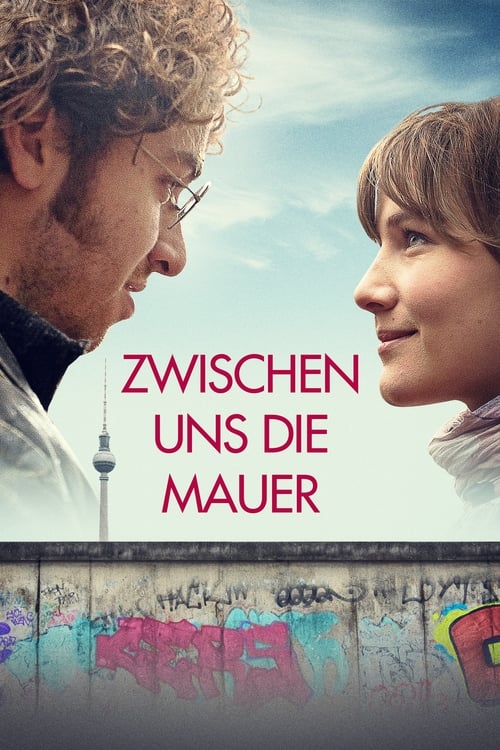
Zwischen uns die Mauer
2019
No user ratings available yet
Representation score: 4.6 out of 10
Representation Score
Fair
2019
Director
Florian Aigner
Runtime
92 minutes
Average Rating
No ratings yetNew Showbiz Analysis
Im Niemandsland is a period drama that explores systemic trauma and displacement through the lens of German reunification. It emphasizes the tension between East and West German identities rather than contemporary identity politics. The film excels in examining how political changes erode traditional social structures and families. It delves into the bitterness surrounding restitution claims. However, the film remains confined to its historical context, lacking representation of racial and ethnic diversity or LGBTQ+ identities.
Category Breakdown
The film focuses on a heterosexual relationship between Katja and Thorben. There are no indications of queer subtext or non-cisgender identities in the main storyline.
Katja plays a significant role in the domestic conflict, providing a sense of female empowerment. The legal disputes over property challenge the traditional dominance of male figures in households.
Set during the division of Germany, the story centers on East and West German identities. It does not include a diverse or multi-ethnic cast within this historical context.
The narrative offers a strong critique of political institutions and property rights. It highlights how systemic dispossession and shifting borders lead to deep-seated prejudice and familial breakdown.
There are no visible or invisible disabilities that play a central role in the character arcs or the plot progression.
Present on Screen
Limited or Absent
Official Synopsis
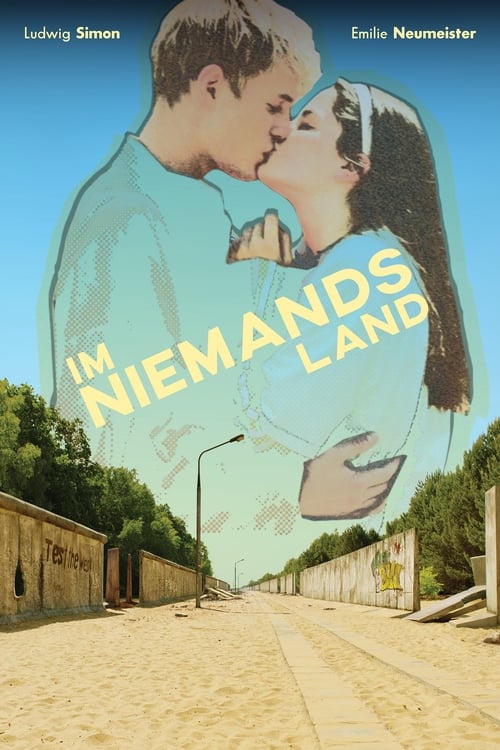
It's the summer of 1990, two teenagers in Germany fall in love - an innocent first love, shortly before the German reunification. Katja (16) is from West-Berlin, Thorben (17) from GDR. Their families are fighting over a house in Kleinmachnow (a suburb of East-Berlin), where Thorbens family has been living since the 70ies, but where Katjas father grew up. The family had to emigrate to West-Berlin in 1961, just before the Berlin Wall was built. Later, the house was dispossessed under GDR-rule. Now, Katjas father demands restitution. The conflict grows bitterer and threatens to tear apart both families. It is about old wounds and new prejudices. While being in the middle of Germanys swiftly progressing process of reunification, Katja and Thorben have to fight for their love.
2019

2012
2001

2011

2000

1991
1985
2018
No reviews yet. Be the first to share your thoughts on this movie!
Use the rating form above to leave a star rating and optional review.