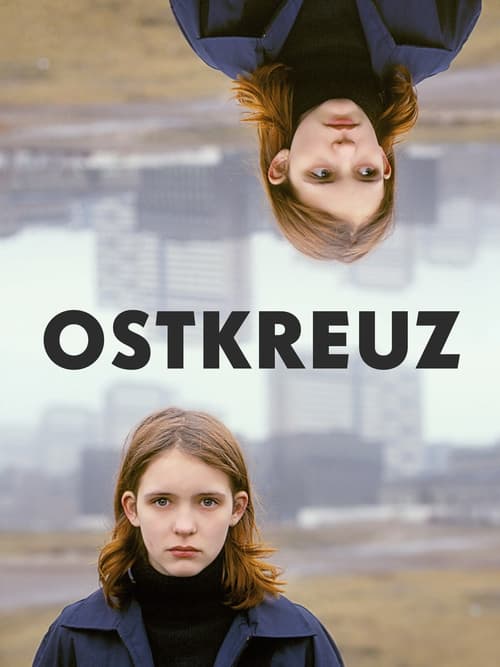
Eastern Cross
1991
No user ratings available yet
Representation score: 5.0 out of 10

Representation Score
Fair
2015
Director
Andreas Dresen
Runtime
117 minutes
Average Rating
No ratings yetNew Showbiz Analysis
As We Were Dreaming functions as a gritty character study of individuals navigating the vacuum left by the collapse of the East German state. It prioritizes micro-dynamics of friendship and survival over grand political narratives. The film excels in its cultural deconstruction, framing the transition to capitalism as a period of profound disorientation. It offers a nuanced look at those affected by rapid systemic change. However, the film's commitment to socio-historical accuracy limits its breadth. The cast reflects the demographic homogeneity of the specific era and location, resulting in lower scores for racial and LGBTQ+ representation.
Category Breakdown
The film explores intimate connections among a close-knit group of friends but does not explicitly depict non-straight relationships.
The story examines how gender roles adapt to new economic realities by placing characters in precarious situations where social hierarchies are challenged by survival.
The setting of post-Wall East Germany leads to a homogeneous demographic. The narrative focuses on localized experiences, limiting the scope for broad ethnic diversity within the social circle.
The film provides a strong critique of institutional stability, portraying reunification as a period of systemic disorientation and moral ambiguity rather than a seamless triumph.
There is no evidence regarding the portrayal of visible or invisible disabilities within the available narrative details.
Present on Screen
Limited or Absent
Official Synopsis
Andreas Dresen's adaptation of Clemens Meyer's novel about a group of East German friends right after the fall of the Wall.
1991

2007
1992
2003
2017

2020

2020
2011
No reviews yet. Be the first to share your thoughts on this movie!
Use the rating form above to leave a star rating and optional review.