Codename: Kyril
1988
No user ratings available yet
Representation score: 1.9 out of 10
Representation Score
Minimal
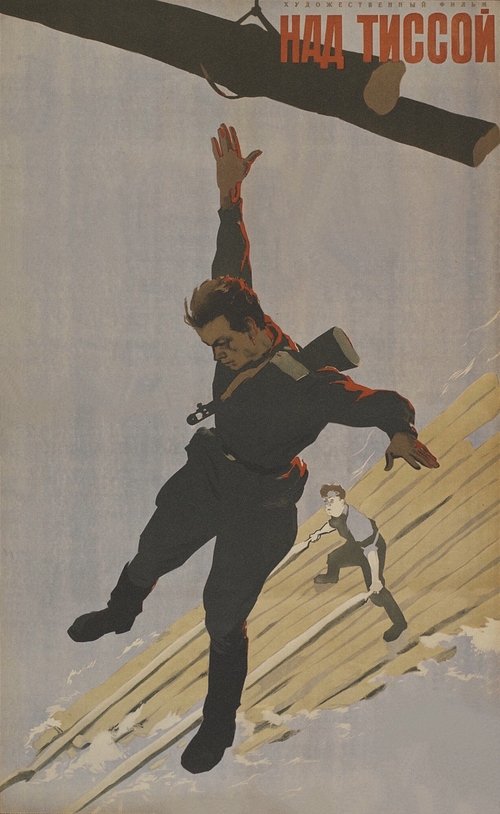
1958
Director
Dmitriy Vasilev
Runtime
80 minutes
Average Rating
No ratings yetNew Showbiz Analysis
Over Tissa is a product of its 1958 Soviet cinematic context, prioritizing state-centric narratives and ideological stability. The plot functions to reinforce the sanctity of borders and collective social order through a lens of patriotism. The film relies on conventional gender hierarchies and straight-centered romantic dynamics to drive its tension. While the Transcarpathian setting offers a multi-ethnic backdrop, the characters are defined more by political loyalty than by multiple aspects of identity. Ultimately, the work lacks the subversion of power structures or the inclusion of underrepresented identities required by modern standards, focusing instead on the protection of established institutions.
Category Breakdown
The film centers on a traditional romantic triangle involving Theresa, a saboteur, and a frontier guard. It reinforces the assumption that everyone is straight or cisgender without any evidence of diverse gender identities.
Theresa serves as a romantic focal point and catalyst for male action. While she engages in correspondence, the primary narrative focus remains with the male protagonists.
Set in the multi-ethnic region of Transcarpathia, the film uses regional identity as a backdrop. However, representation focuses on political loyalty rather than broad ethnic blending.
The story prioritizes state security, border integrity, and collective labor. It reinforces traditional institutional values and patriotism rather than exploring diverse cultural critiques.
The narrative contains no mention of characters with visible or invisible disabilities. There is no representation of neurodivergence or physical impairment.
Present on Screen
Limited or Absent
Official Synopsis
According to the story of the same name by Aleksandr Avdeenko. The end of the 50s. Transcarpathia. Two saboteurs cross the border near Tissa. One dies during detention, and the second, under the guise of a front-line soldier Ivan Belograi, appears at the state farm and begins to look after Theresa, whom he met by correspondence. Frontier guard Andrei Smolyarchuk, in love with Theresa, is the first to suspect a spy and is trying to find out what his purpose is...
1988

1969

1960
2014
1953
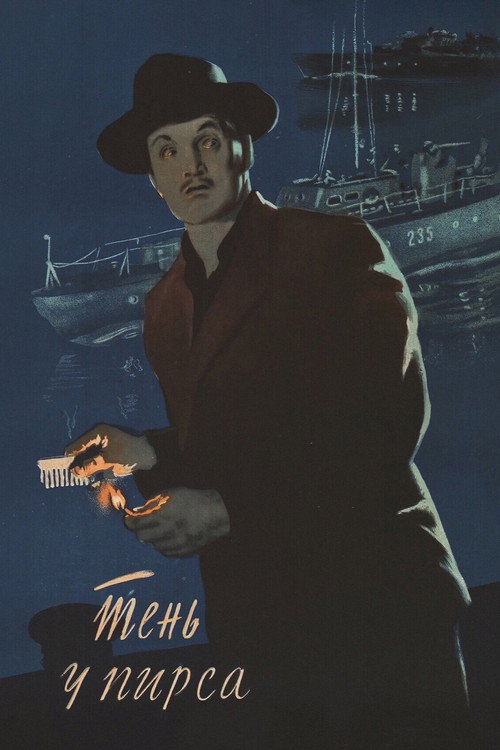
1955
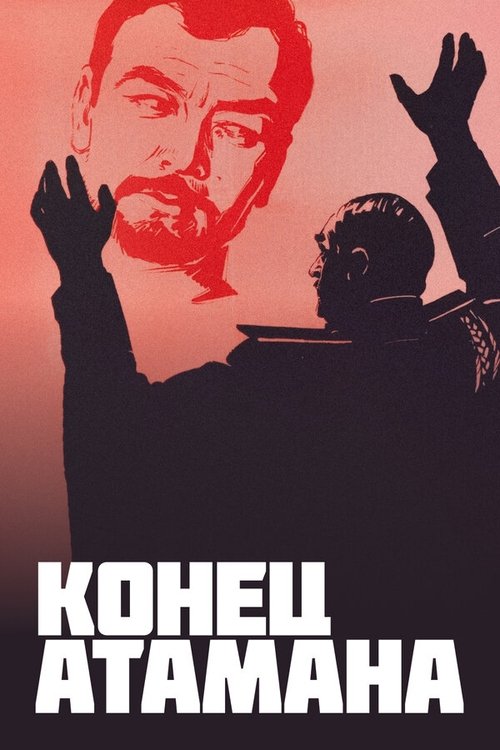
1970
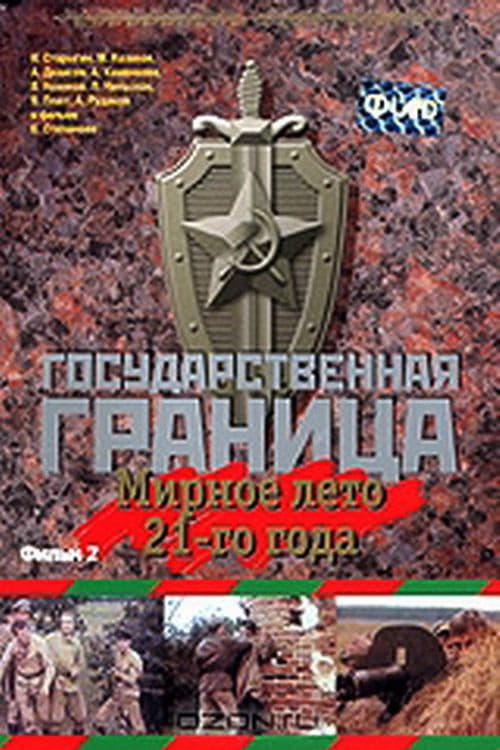
1981
No reviews yet. Be the first to share your thoughts on this movie!
Use the rating form above to leave a star rating and optional review.