
Vali, The Witch of Positano
1967
No user ratings available yet
Representation score: 5.9 out of 10
Representation Score
Good
2020
Director
Sonia Bible
Runtime
78 minutes
Average Rating
No ratings yetNew Showbiz Analysis
The documentary examines the struggle of an individual against systemic oppression. It celebrates the outsider archetype and challenges traditional religious and gender hierarchies of mid-century Australia. While it successfully disrupts traditional gender roles and religious norms, it does not explicitly explore racial intersectionality. The narrative centers on the tension between personal freedom and religious conservatism.
Category Breakdown
The film highlights Rosaleen Norton's non-traditional sexual expression, which challenges the strict heterosexual norms of 1950s Australia. By portraying her lifestyle, the film critiques the societal constraints of that time.
Rosaleen Norton is depicted as a strong, independent woman who defies traditional gender roles. She is shown as an active participant in her life, challenging the patriarchal norms of the era.
The film focuses on social and religious conflicts in mid-century Sydney. There is no information about the racial makeup of the cast or the subject's ethnicity.
The documentary emphasizes the occult and secular viewpoints over the dominant Christian morality. It portrays the subject as a victim of a repressive society rather than a religious villain.
The film does not address any characters or subjects dealing with physical, neurodivergent, or mental health disabilities.
Present on Screen
Limited or Absent
Official Synopsis
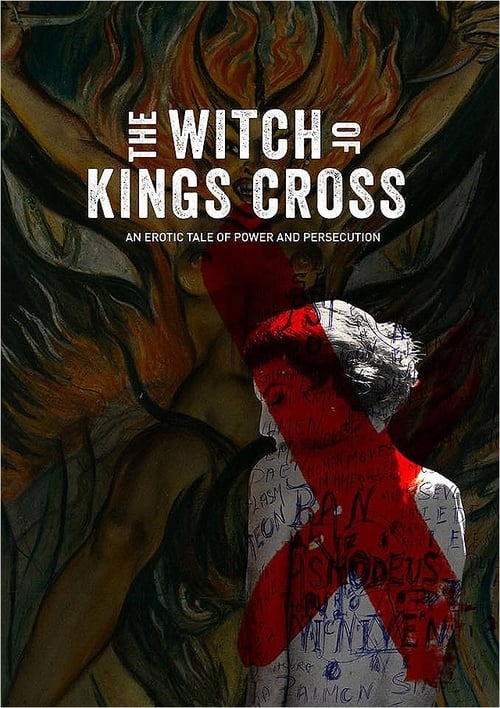
Sydney, in the 50s. Rosaleen Norton is a painter specialised in occult themes, infernal sabbatical visions exuding wanton sexuality. In conservative Australia, the Witch of King's Cross was soon accused of obscenity, and of taking part in satanic rituals, orgies and whatnot...
1967
1922

1975
2016

1970

2019

2009

1971
No reviews yet. Be the first to share your thoughts on this movie!
Use the rating form above to leave a star rating and optional review.