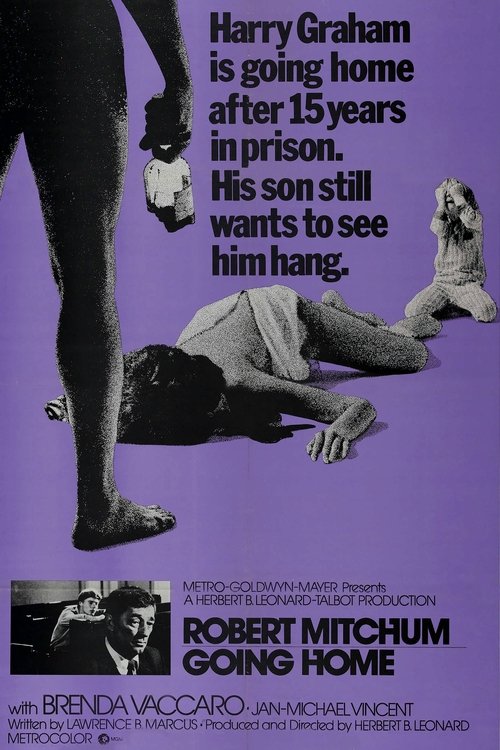
Going Home
1971
No user ratings available yet
Representation score: 2.5 out of 10

Representation Score
Limited
1987
Director
Tim Kincaid
Runtime
89 minutes
Average Rating
No ratings yetNew Showbiz Analysis
Riot on 42nd St. follows a typical 1980s crime-drama format, focusing on a linear revenge plot. The narrative centers on a tough ex-con transitioning into a vigilante. The story is driven by a traditional masculine archetype. The film lacks visible representation of LGBTQ+ identities or specific racial details. It leans heavily on traditional clichés of physical retribution and individual ability to act. Ultimately, the work reinforces established social hierarchies without challenging them through storytelling that reflects multiple aspects of identity.
Category Breakdown
The main storyline does not include any LGBTQ+ characters or non-cisgender identities.
The story revolves around traditional masculine roles, emphasizing physical strength and retribution rather than challenging gender norms.
The urban setting of 42nd Street suggests a diverse population, but the film does not provide specific details about the racial makeup of the cast.
The film centers on a revenge plot that focuses on individual justice without delving into systemic issues or complex moral questions.
The narrative provides no information regarding characters with physical, sensory, or neurodivergent disabilities.
Present on Screen
Limited or Absent
Official Synopsis
Tough ex-con Glenn Barnes gets paroled from prison after serving a sentence for manslaughter. Glenn plans to reopen his old nightclub the Garage on 42nd Street. Vicious rival nightclub owner Farrell threatens to take drastic measures if Glenn goes through with his plan. After all the employees get massacred by Farrell's flunkies on opening night, Glenn reverts back to his brutish criminal ways to exact a harsh revenge on Farrell and his men.
1971

1972

1996

1983

1975
1983

1982

1996
No reviews yet. Be the first to share your thoughts on this movie!
Use the rating form above to leave a star rating and optional review.