Haitian Corner
1988
No user ratings available yet
Diversity score: 6.9 out of 10
2007
Director
Clement Virgo
Runtime
104 minutes
Average Rating
No ratings yetSynopsis
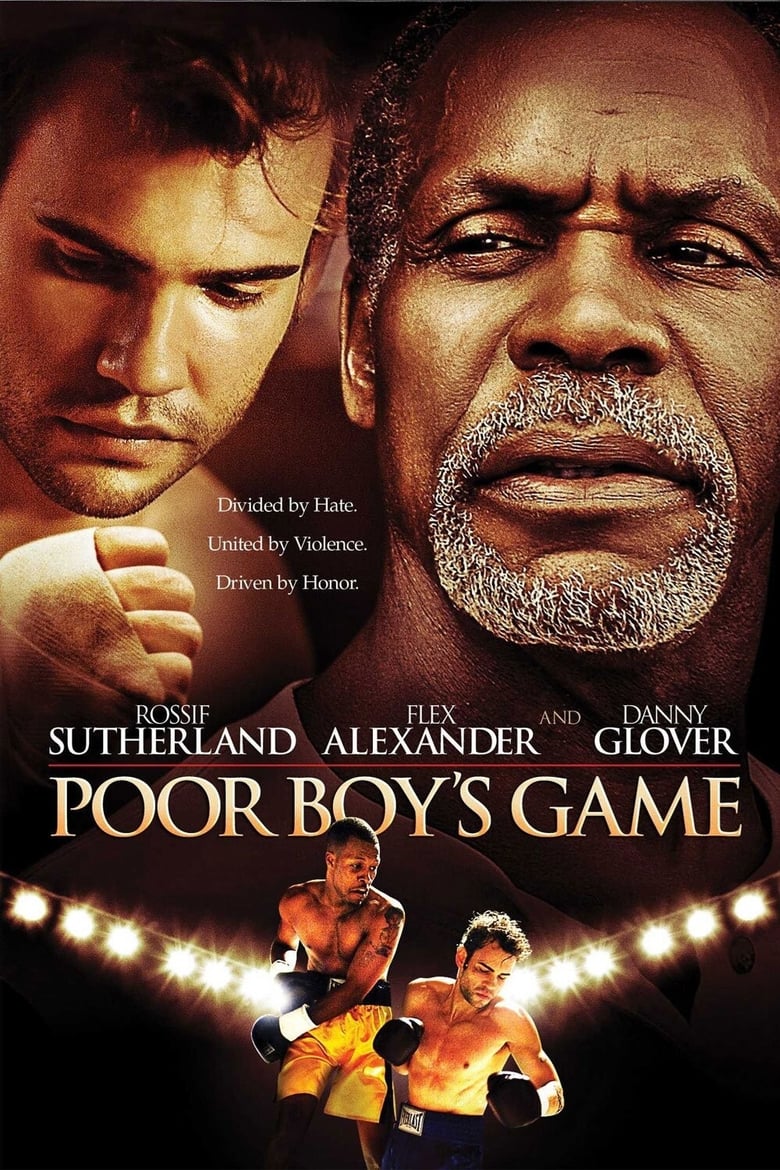
Donnie Rose went to prison for beating a young man so brutally it left him handicapped for life. Nine years later, Donnie is out. He's a different man with only one place to go: back home to the same violent and racist neighborhood that created him. At the other end of town, the black community still wants revenge. The instrument of justice will be Ossie Paris, a devastatingly talented boxer who challenges Donnie to a match; a match Donnie's family and peers won't let him refuse. George Carvery has waited nine years to avenge his son's fate at the hands of Donnie. When finally they meet face to face, however, both realize they share a similar desire to overcome the past.
Overall Score
Good
Category Breakdown
LGBTQ+ Representation
The narrative focuses on racial tension and cycles of violence. There is no explicit evidence of LGBTQ+ character arcs or non-cisnormative identities within the core conflict.
Gender Representation
The story centers on masculine archetypes like the boxer and the reformed transgressor. It explores how community expectations shape individual behavior and potential subversions of traditional roles.
Racial & Ethnic Diversity
The film avoids monolithic views of the Black community by exploring internal fractures and systemic racism. It disrupts tropes by focusing on the intersection of identity and justice.
Religious & Cultural Diversity
The film critiques Western punitive justice by exploring community retribution versus individual redemption. It portrays the neighborhood as a systemic force that shapes human agency.
Disability Representation
Disability serves as a central structural element and a catalyst for vengeance. The plot is driven by the consequences of a character being left handicapped for life.
Strengths
Areas for Improvement
AI Analysis
Poor Boy's Game is a sophisticated study of systemic influence and moral ambiguity. It moves beyond simple hero-villain tropes to examine how environment and institutional failures shape individual agency. The film excels in its nuanced portrayal of racial and cultural complexities. By focusing on the internal dynamics of a Black community and the pursuit of restorative justice, it provides a robust framework for progressive storytelling. However, the narrative is heavily weighted toward masculine archetypes and lacks visible LGBTQ+ representation. The focus remains primarily on the intersection of race, violence, and physical consequence.
1988

2004
2018
2018
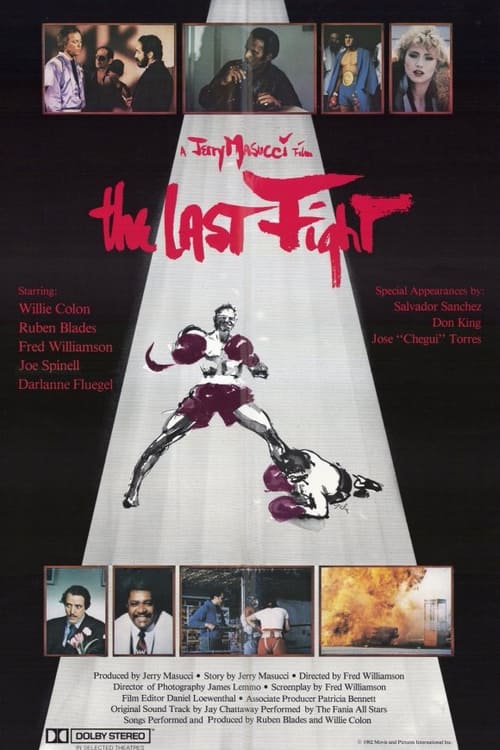
1983
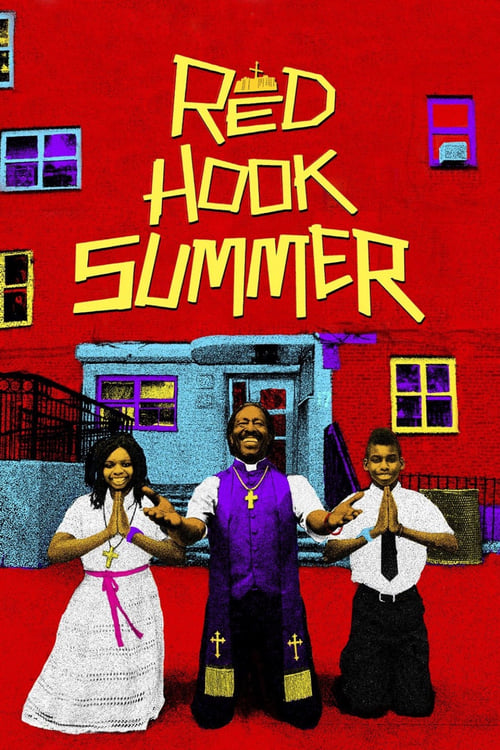
2012
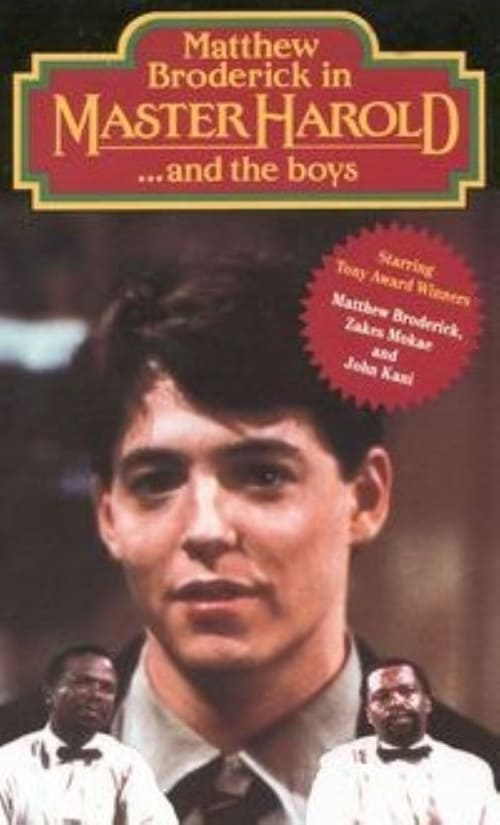
1985
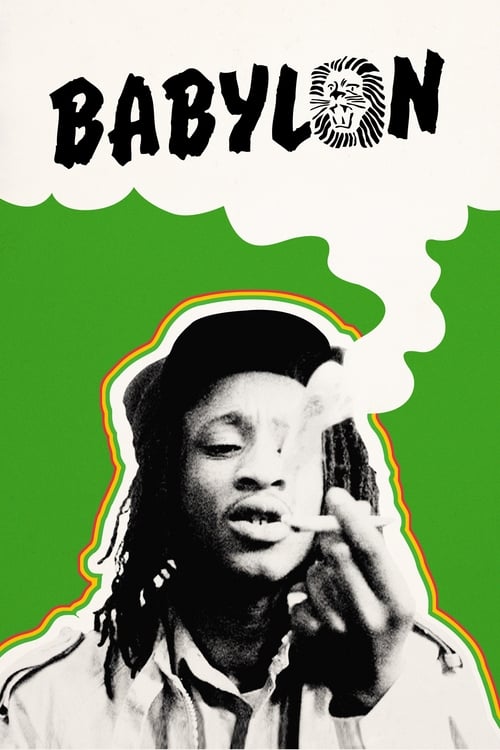
1980

2017
2001
2001
2003
No reviews yet. Be the first to share your thoughts on this movie!
Use the rating form above to leave a star rating and optional review.